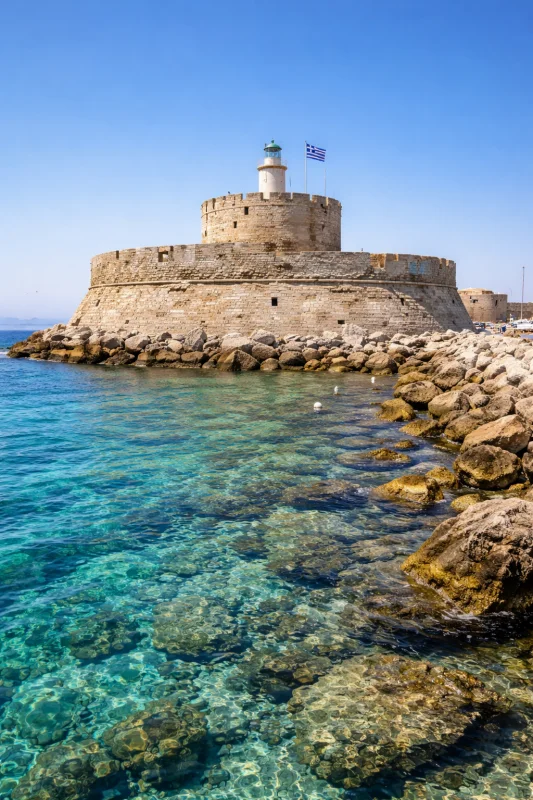
Rhodes doesn’t reveal itself all at once. Some layers are obvious from the start; others only appear after time has passed. It is one of the largest islands in the Aegean and it knows how to hold many lives at once, ancient and modern, local and foreign, busy and still, without collapsing under their weight. People often approach Rhodes with expectations shaped by scale. They expect crowds, monuments and activity. All of that exists. But what defines Rhodes is not volume. It is continuity. This is an island that has absorbed centuries of movement, power and attention and yet still functions as a lived-in place rather than a museum. Rhodes does not ask you to slow down. It lets you decide when to.
Geography That Allows Expansion
Rhodes lies at the southeastern edge of the Aegean, close to the coast of Asia Minor. It is long and varied, with fertile lowlands, wooded hills and a coastline that changes character repeatedly as you move around it. The island’s size allows contrast. The north feels open and developed, the interior more traditional and the south increasingly rugged and quiet. Roads stretch rather than twist. Distance here is real but manageable. You sense the island’s breadth in the way landscapes shift gradually rather than abruptly. The sea around Rhodes is rarely passive. Winds shape the east and west coasts in different ways and the mood of the island changes depending on where you are. The east and west carry different moods, giving Rhodes depth rather than disorder.
Rhodes Town
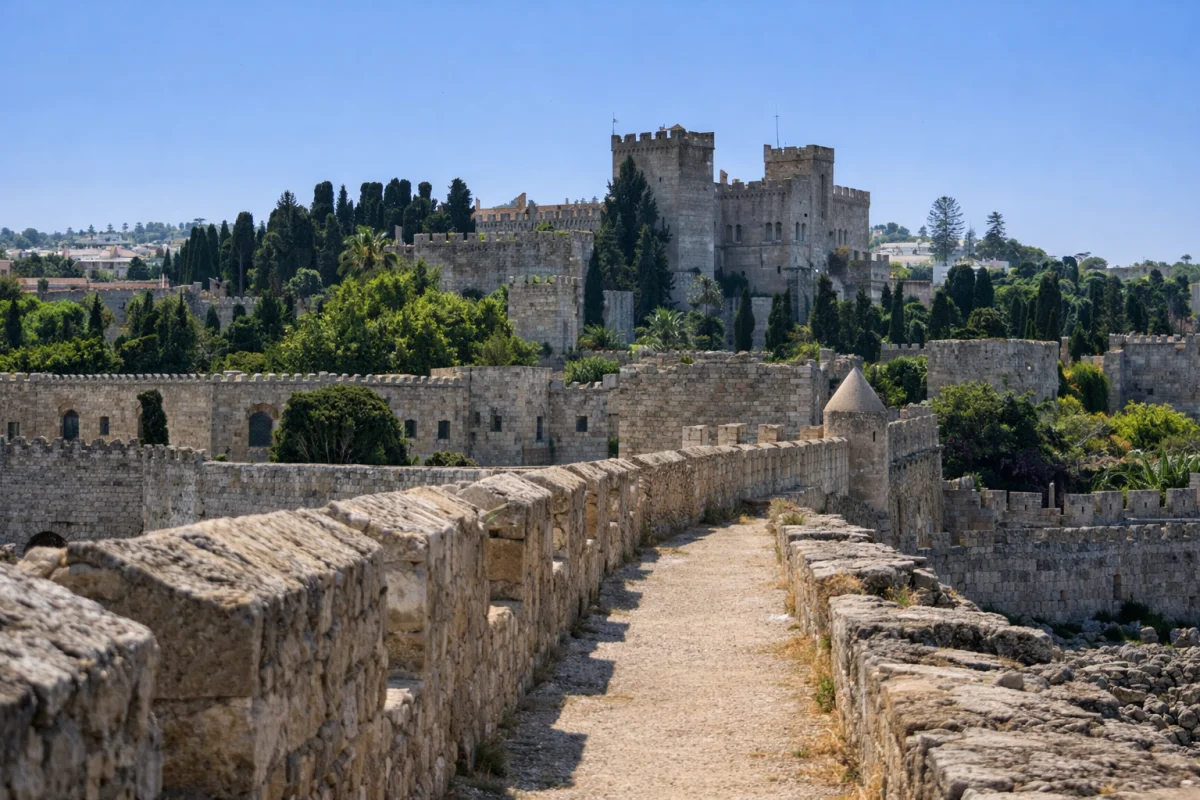
Rhodes Town sits at the island’s northern edge, facing open water and the wider world beyond it. It is one of the few places where mediaeval walls still surround a town that is very much alive. Inside those walls, history is impossible to ignore. Streets curve narrowly. Stone absorbs sound. The presence of the Knights of St John remains visible in fortifications, gates and courtyards. Yet outside the walls, life continues without pause, traffic moves, cafés fill and ferries arrive. What makes Rhodes Town distinctive is not preservation but coexistence. The past is not separated from the present. It exists alongside it, unprotected and integrated into daily routines.
An Island Shaped by Power
Rhodes has always mattered. Its position made it valuable strategically, economically and culturally. People settled here early for a reason. Romans built infrastructure. The Byzantines built it up defensively. The Knights took it further and made it a stronghold. Italians modernised parts of it. Each era left physical evidence, but none erased what came before. Rhodes did not restart itself with every new ruler. It accumulated. This accumulation created resilience. The island learnt how to adjust without coming undone. That hasn’t changed.
Villages That Hold Their Shape
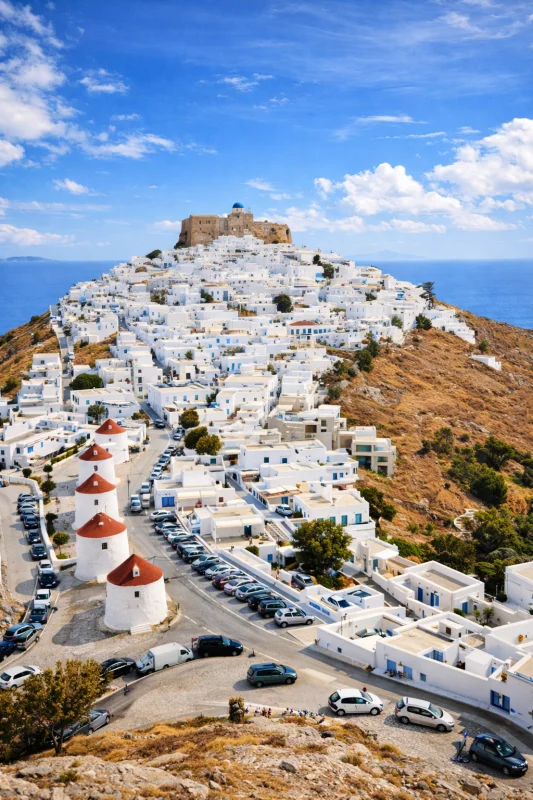
Beyond the towns, villages sit quietly inland, among fields and hills. Life here moves slower, shaped by the land, not by conquest. These villages did not grow outward. They remained focused inward, preserving routines, dialects and customs without display. Walking through them feels observational rather than touristic. You notice daily life rather than highlights. The island’s size allows these spaces to exist without pressure. Not everything needs to be visible.
The Coast as Choice
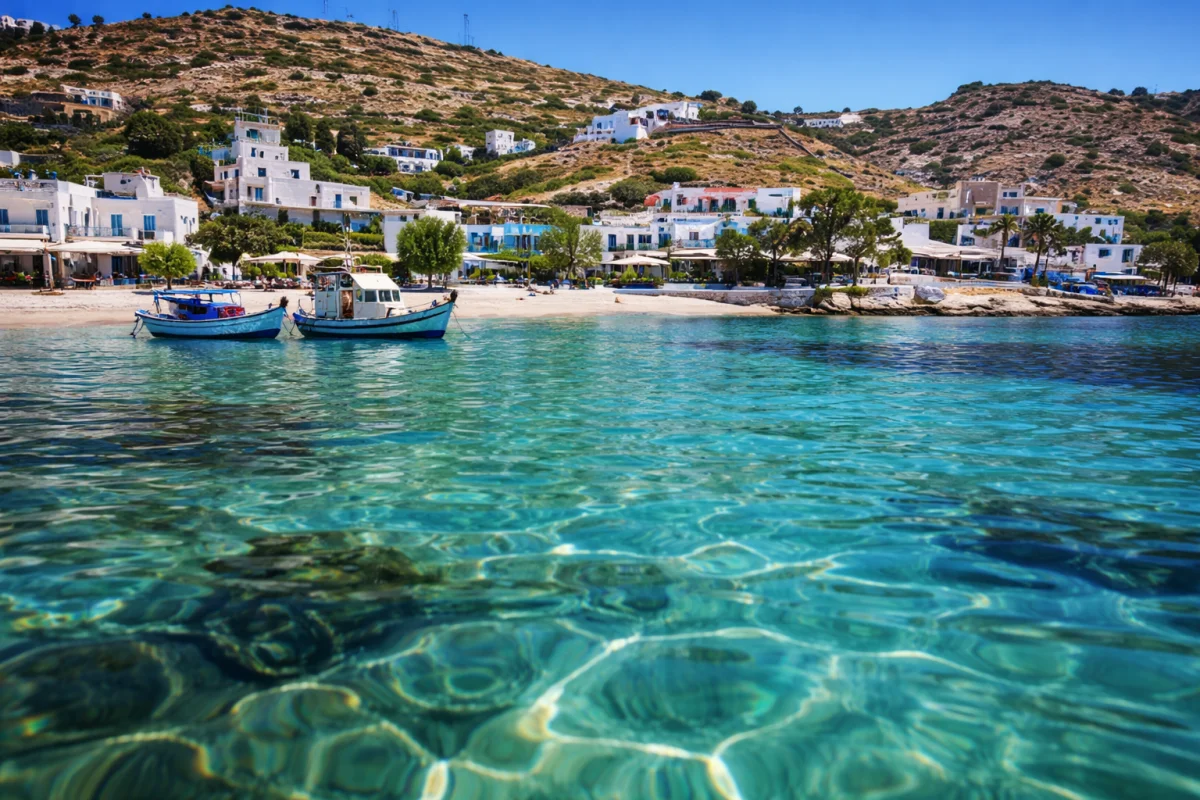
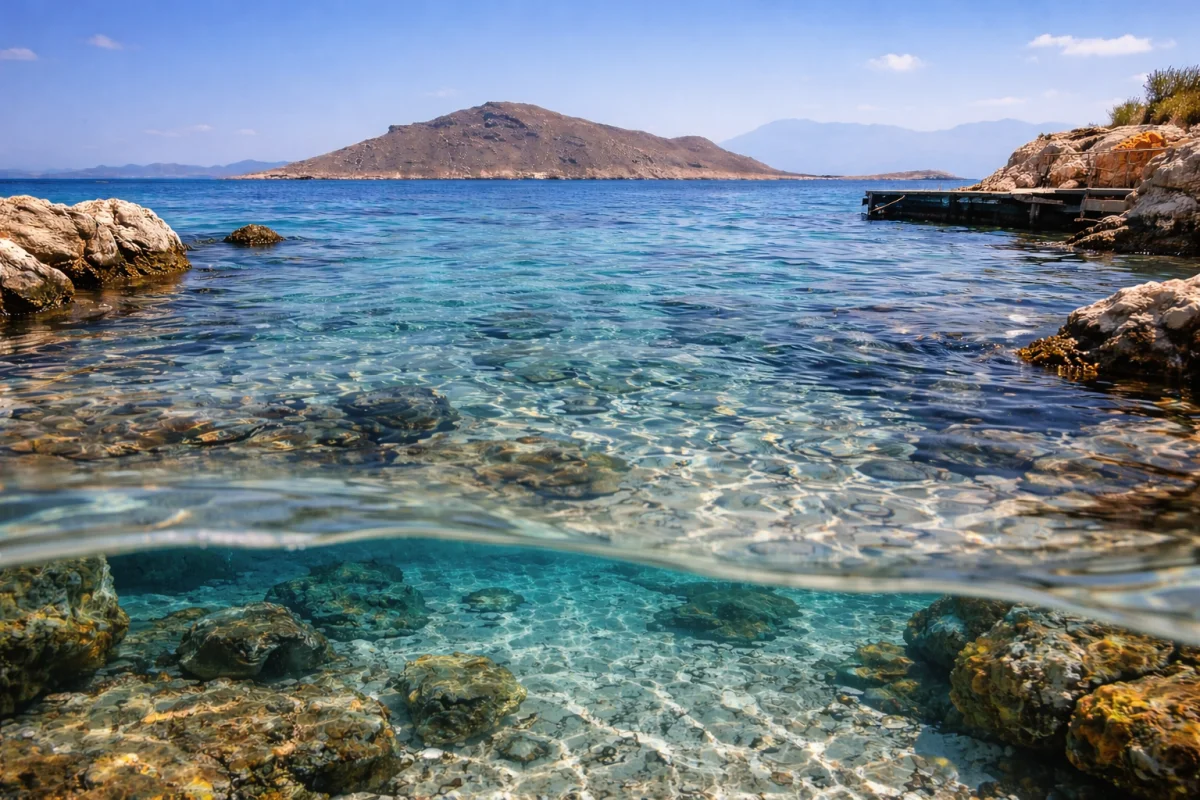
Rhodes has many beaches, but they do not define the island in the same way they do elsewhere. They are options rather than focal points. Some stretches are open and exposed. Others are calm and sheltered. You move at your own pace here. The sea allows activity but never insists on it.
Food and the Familiar
Food on Rhodes reflects abundance tempered by habit. The island’s size allows variety, but meals remain rooted in familiarity. Bread, oil, vegetables, fish and meat when available. Recipes reflect continuity rather than reinvention. Eating here feels social but not ceremonial. Taverns fill naturally in the evenings. Conversation overlaps. Silence exists comfortably between words. Food does not interrupt life on Rhodes. It fits into it.
Tourism and Endurance
Rhodes receives many visitors. It always has. And yet, it has never allowed tourism to fully redefine it. Busy places exist. Quiet ones stay. You move easily between them. If you want it even more stripped back, I can go further. The island absorbs attention rather than reshaping itself for it. Rhodes feels grounded because it has held a lot for a long time. Power came and went. So did conflict, faith and trade. The island remained. It is an island that learnt how to host without surrendering. How to adapt without erasing. How to grow without losing structure.
What You Take With You
People leave Rhodes with layered memories. A walk inside the mediaeval walls. A quiet village morning. A stretch of coast that felt unexpectedly empty. Rhodes does not offer a single feeling to carry home. It offers many and allows you to keep the ones that matter. It is an island that understands continuity and in doing so, remains whole.