An Island That Lives
Kasos does not announce itself. It sits south of Karpathos, low and wind-exposed, with none of the visual drama that draws attention elsewhere in the Aegean. There are no postcard towns climbing hillsides, no obvious viewpoints demanding photographs. What Kasos offers is subtler and for many, harder to reach. This is an island that is not closed but self-contained. Life here follows its own logic, shaped by distance, weather and memory. Visitors often arrive with little expectation, unsure what they will find. Kasos is not quiet in the sense of being empty. It is quiet in the way a place becomes when it knows itself well enough not to explain.
Geography Without Ornament
Kasos lies at the southern edge of the Dodecanese, between Karpathos and Crete. There is very little greenery. The earth is pale, worn and open. From most points, the sea is visible. Not as a distant backdrop, but as a constant presence pressing in from all sides. The sea around Kasos is often rough. Winds move freely here, shaping not only the water but also the rhythm of daily life. Boats do not come and go casually. The island teaches people to be patient by making them wait.
Settlements That Feel Functional
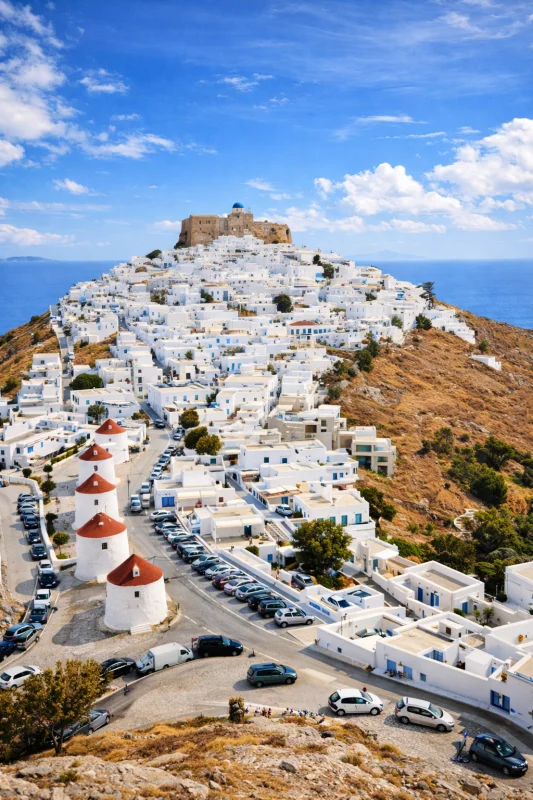
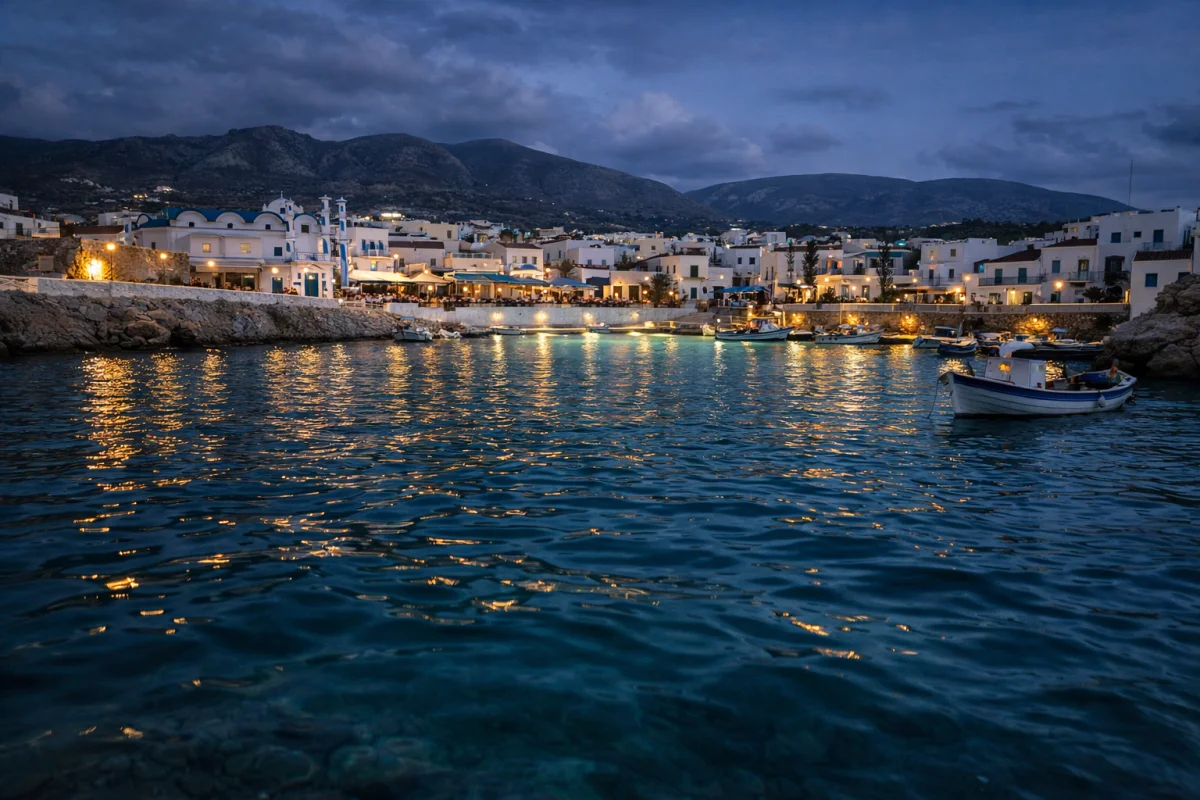
Kasos does not have a single dominant town. Instead, it is made up of a handful of small settlements spread across the island, each serving a purpose rather than projecting character. Fry, the port, is modest and practical. It exists to receive ferries, supplies and people, nothing more. Life does not revolve around it in the way it does on other islands. It is simply where arrival happens. Nearby villages sit quietly in the landscape, low and unassuming. Houses are built to endure wind rather than impress visitors. Streets are wide enough to function and narrow enough to remain intimate. Everything feels designed for living, not presentation. Movement between villages is slow and deliberate. You move when you need to.
A History of Resistance and Loss
Kasos carries a heavy historical memory, though it is rarely spoken about openly. The island played a significant role in the Greek War of Independence and paid dearly for it. In the early 19th century, Kasos was destroyed, its population decimated and its economy shattered. That event reshaped the island permanently. What followed was not recovery in the traditional sense, but endurance. Many residents left. Others stayed and rebuilt quietly, without ceremony. Kasos never regained its former population or prominence. This history left a mark that still lingers. Kasos does not romanticise its past. It carries it calmly, as something known and accepted.
Life Shaped by the Sea
The sea has always defined Kasos, not as leisure, but as survival. Seafaring, shipbuilding and maritime trade once sustained the island. Kasian families maintain strong connections to shipping and life beyond the island. This outward movement created a strange balance. Kasos exists simultaneously as a place and as a memory carried elsewhere. Return is always possible. Identity remains intact even at a distance. The island feels shaped by absence as much as presence. Empty houses, quiet streets and wide spaces tell a story without needing explanation.
Beaches Without Invitation
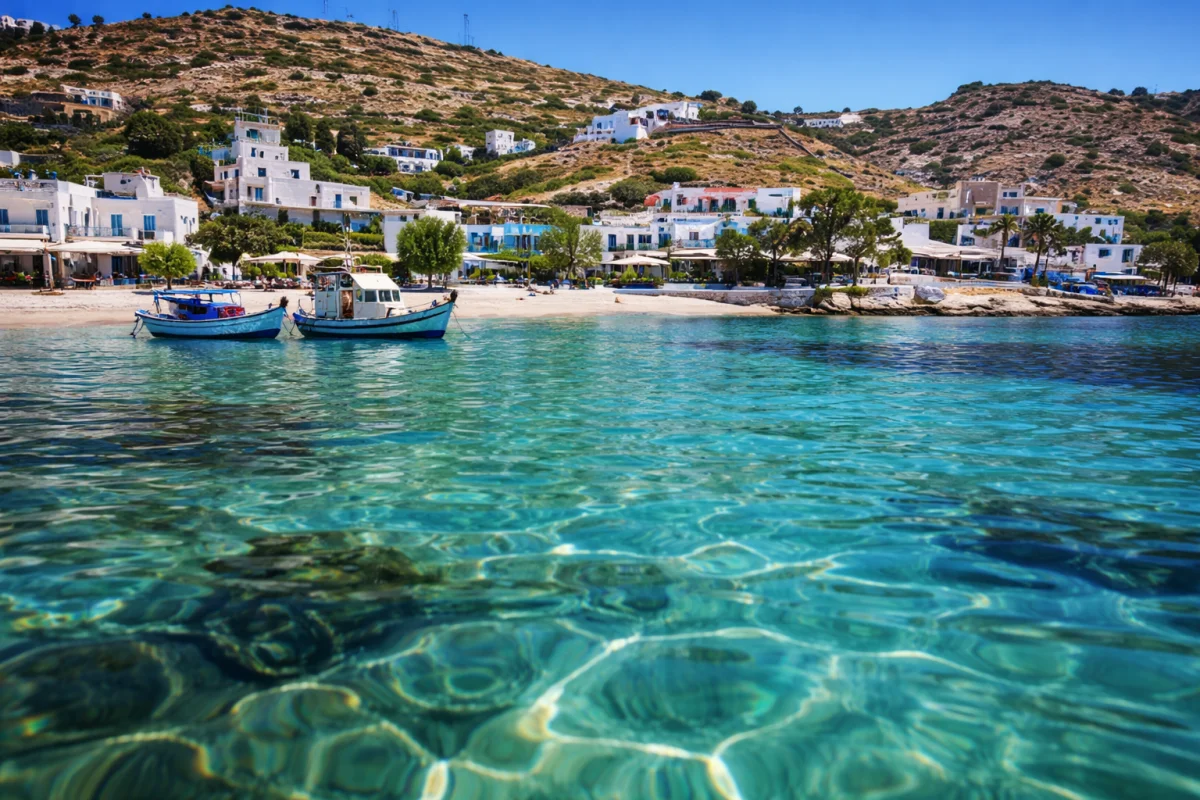
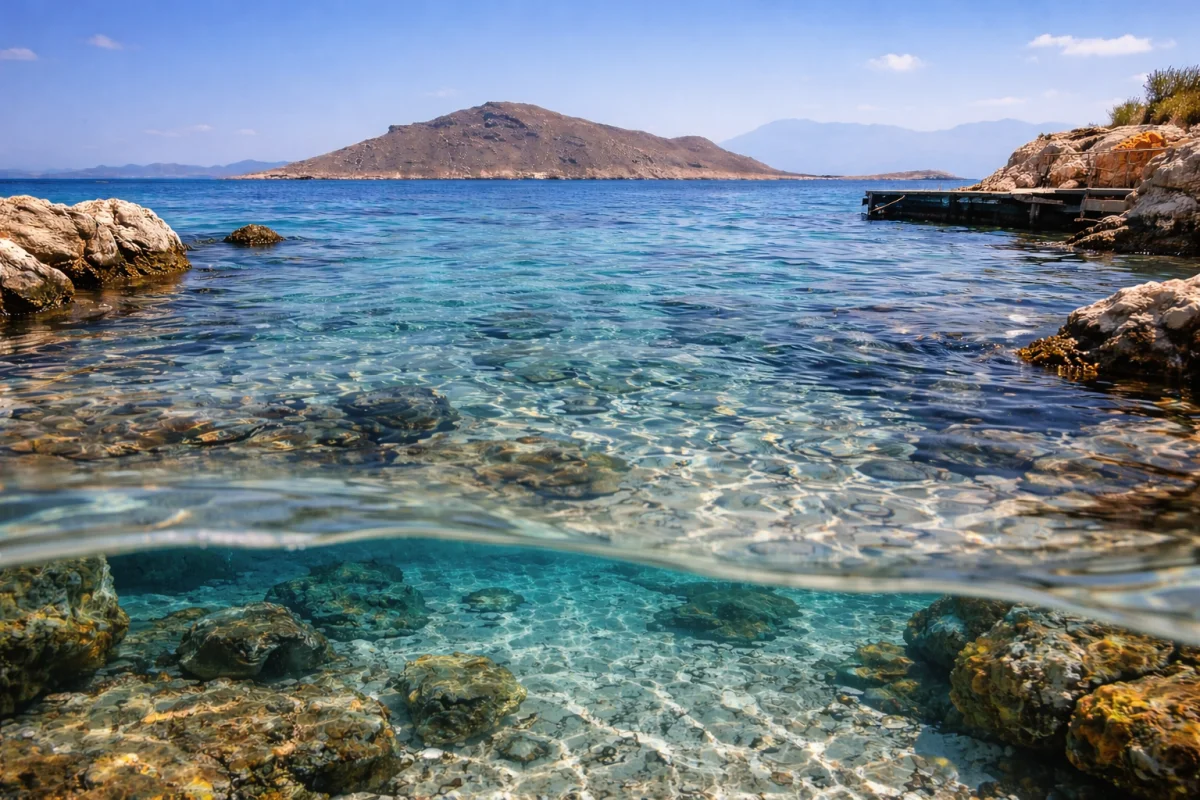
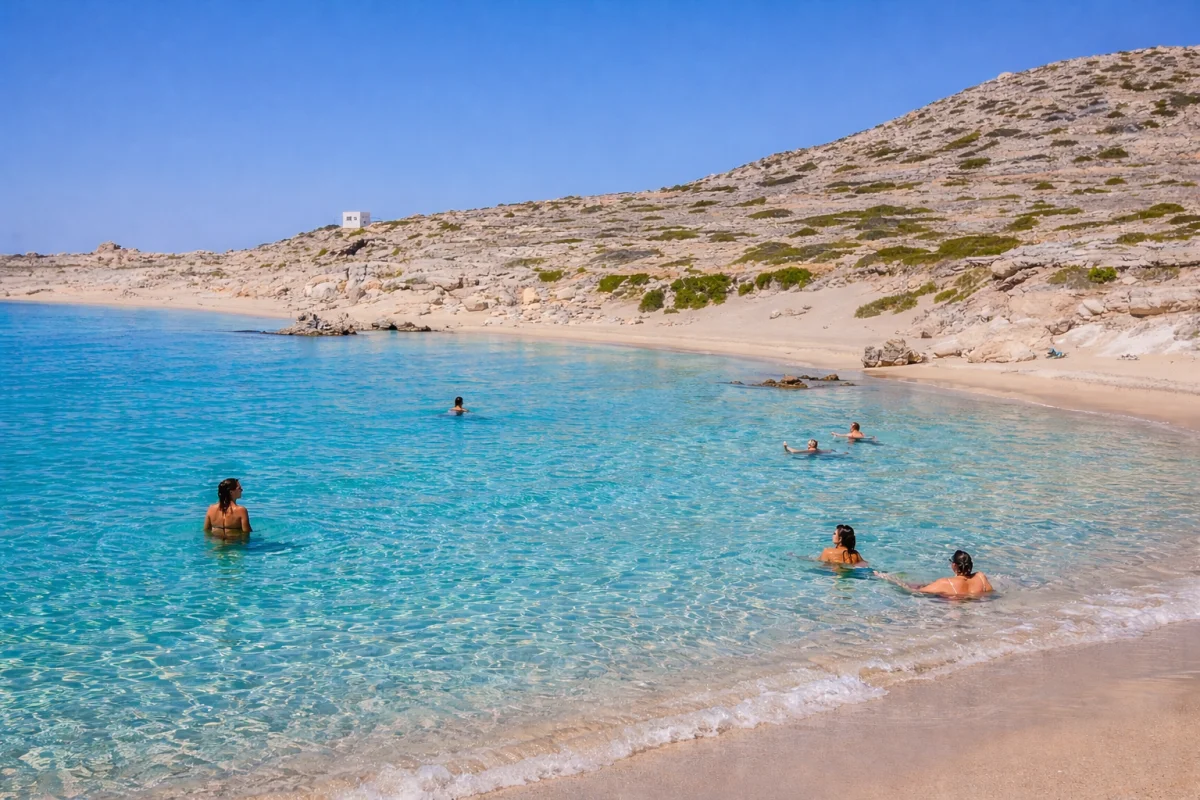
Kasos has beaches, but they do not invite you in the way other islands’ beaches do. They are open, exposed and shaped by wind and rock. The water is clear, often deep and sometimes rough. Swimming here depends on conditions. Some days feel calm and generous. Others demand respect. There is little infrastructure. You always arrive prepared. These beaches are not places to linger casually. They are places to enter briefly, attentively and aware of where you are.
Food as Continuity
Food on Kasos is rooted in continuity rather than abundance. Recipes reflect what could be preserved, stored and relied upon. Meat, cheese, bread and simple vegetables form the base. Flavours are strong but unembellished. Meals feel functional, even when shared. They are moments of sustenance, not display. Eating here connects you to a way of life that values reliability over pleasure. Conversations at the table are often quiet. Silence is not filled unnecessarily.
Tourism That Barely Exists
Kasos is not built for tourism. There are places to stay, places to eat and little else. Visitors arrive either intentionally or by accident, often as part of a longer journey. Those who come expecting entertainment leave quickly. Those who stay tend to adjust. The island asks you to slow down, to observe rather than consume. Nothing here is curated. What you see is what remains. Kasos does not offer escape. It offers confrontation with stillness, history and simplicity. For some, this feels empty. For others, it feels grounding. Kasos teaches that not every place needs to perform. Some places exist simply to continue.
What Remains After Leaving
Kasos does not stay with you in images. It stays with you in feeling. In the memory of wind. In the awareness of distance. In the understanding that some islands survive not by growing, but by holding steady. It is an island that has learnt how to live with loss and in doing so, has remained whole.