Kalymnos announces itself through movement, through work and through the visible marks left by people who have spent generations negotiating with the sea. This is not an island defined by ease or softness. It is defined by skill, endurance and a very practical relationship with its surroundings. People often associate Kalymnos with rock climbing now, but long before ropes and chalk appeared on its cliffs, the island was already known for something far more demanding. Kalymnos was built on labour that carried real risk and that history still lives close to the surface. You feel it quickly. In the harbour. In the posture of the landscape. In a way, the island seems outward-facing rather than inward-looking.
Geography That Encourages Action
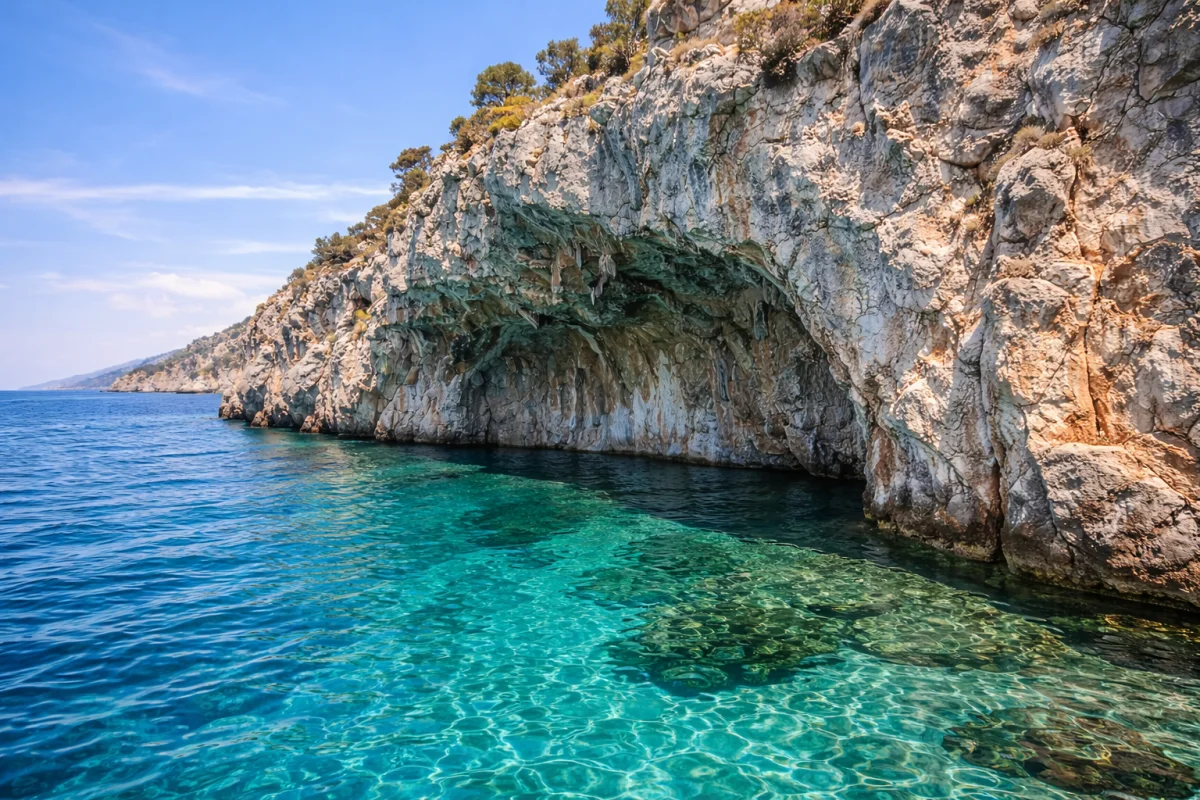
Kalymnos lies north of Kos, close to the coast of Asia Minor. The island is rugged and sharply contoured, with steep limestone hills rising directly from the sea. There is little flat land and what exists has been claimed carefully. The coastline is irregular, broken into coves and inlets that once served as working harbours rather than leisure spots. From many angles, the island looks carved rather than eroded, its rock faces abrupt and exposed. The sea here feels active. Winds funnel through narrow passages. Boats respond to weather rather than schedule. Distance feels shorter than it is but never insignificant.
Towns Built for Use, Not Display
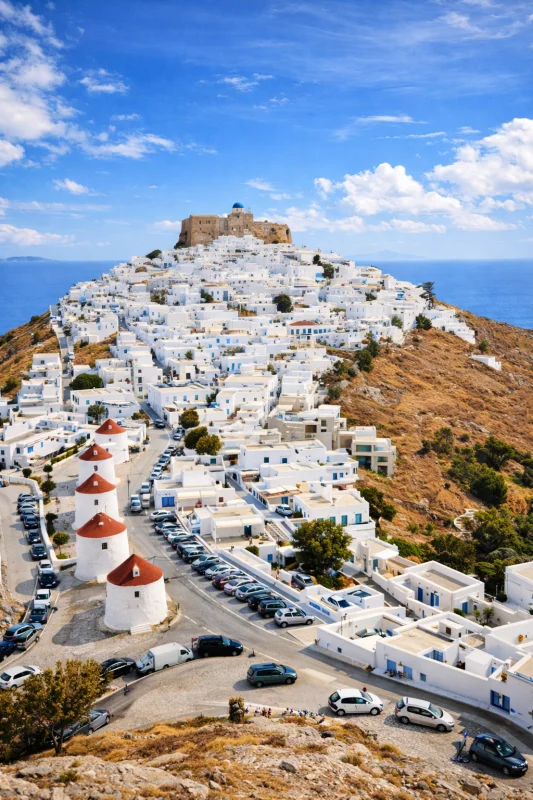
Kalymnos does not revolve around a single postcard town. Pothia, the main port and administrative centre, is busy and works well. Neoclassical buildings rise behind the harbour. It looks like people have lived there instead of just putting things in order. It was made that way out of necessity rather than for looks. Villages look small and useful as you go further inland and along the coast. The streets are narrow and have a purpose and the houses are close together. Everything looks like it's moving: people going somewhere, something being carried and work going on. Even in the quieter areas, the island never really calms down. Kalymnos has a sense of movement, as if it is always getting ready for the next thing.
A History of Risk at Sea
Kalymnos has been known for sponge diving for hundreds of years. Men left the island for months at a time, diving into deep waters with little protection and often at great personal cost. The sea gave people food and money, but it also took lives. This history is not very far away. It changed the island's relationship with the world outside, as well as families and villages. There were times when we had a lot of money and times when we lost it. The rhythm of leaving and coming back shaped generations. Kalymnos did not fall apart when the sponge industry fell apart. It changed. That ability to change is still one of its most important traits.
The Sea as a Place to Work
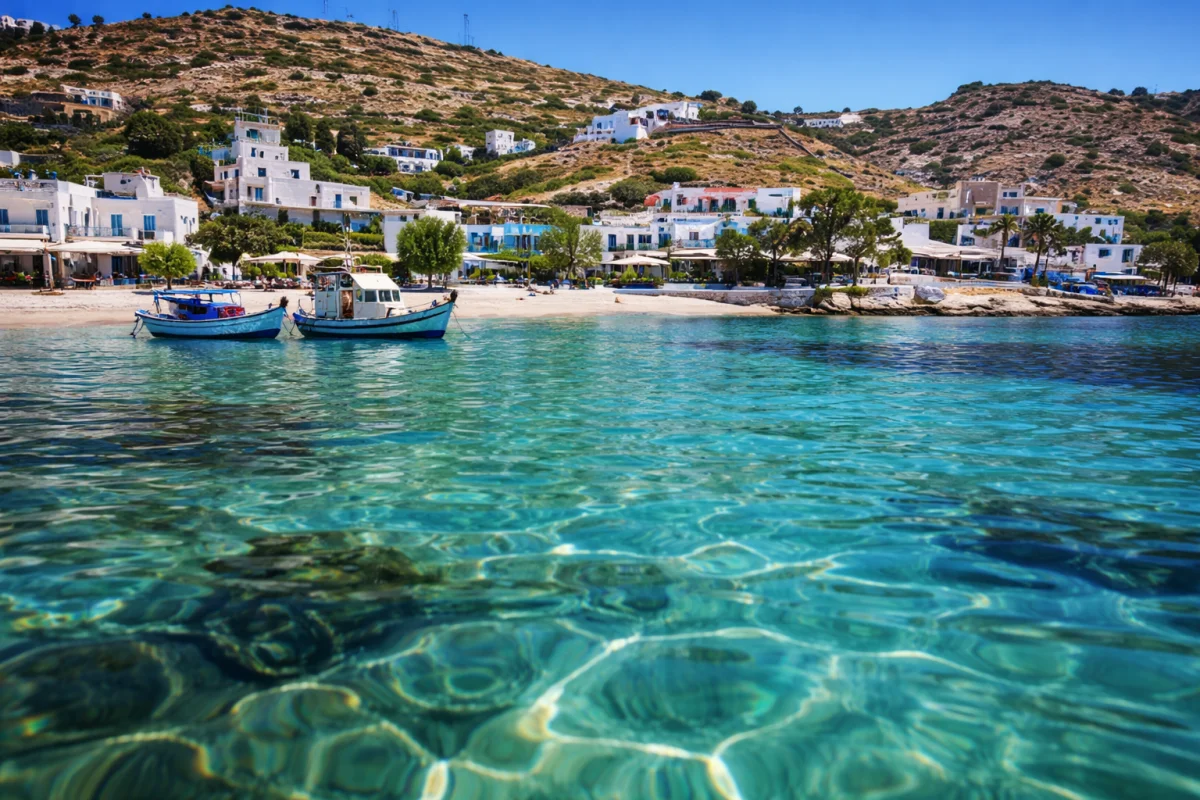
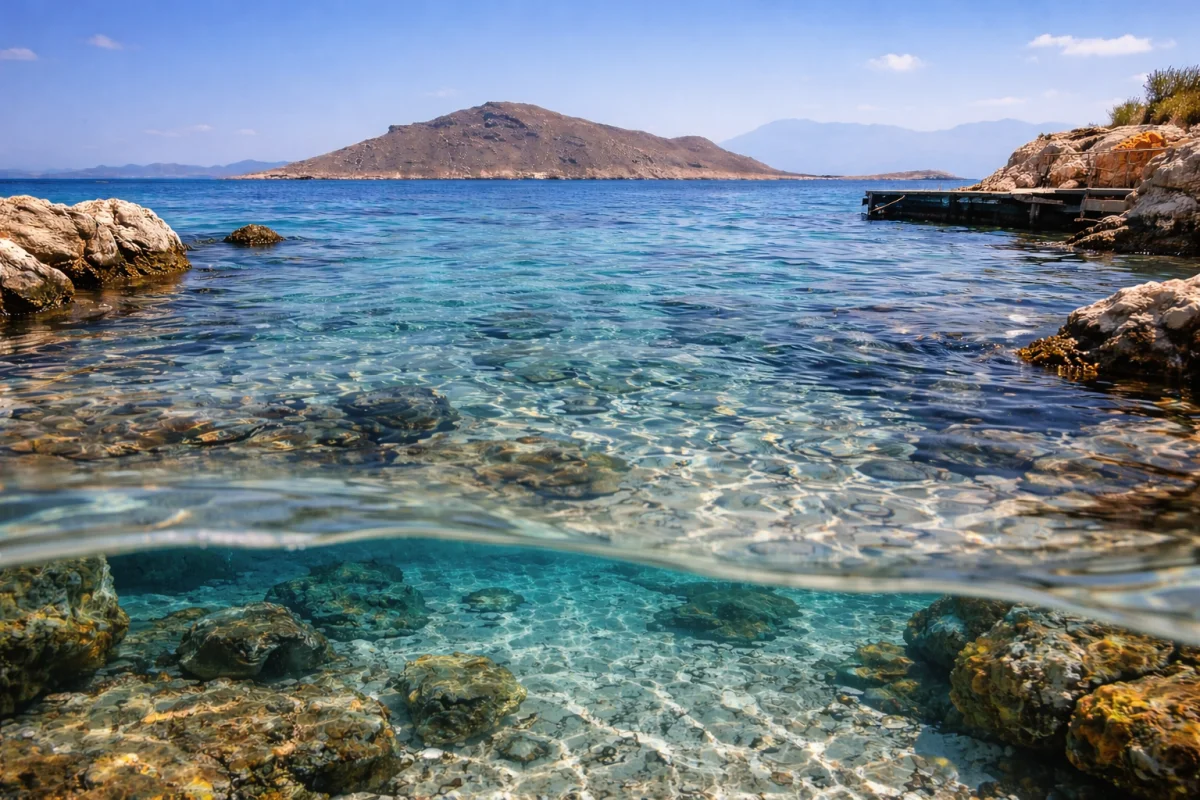
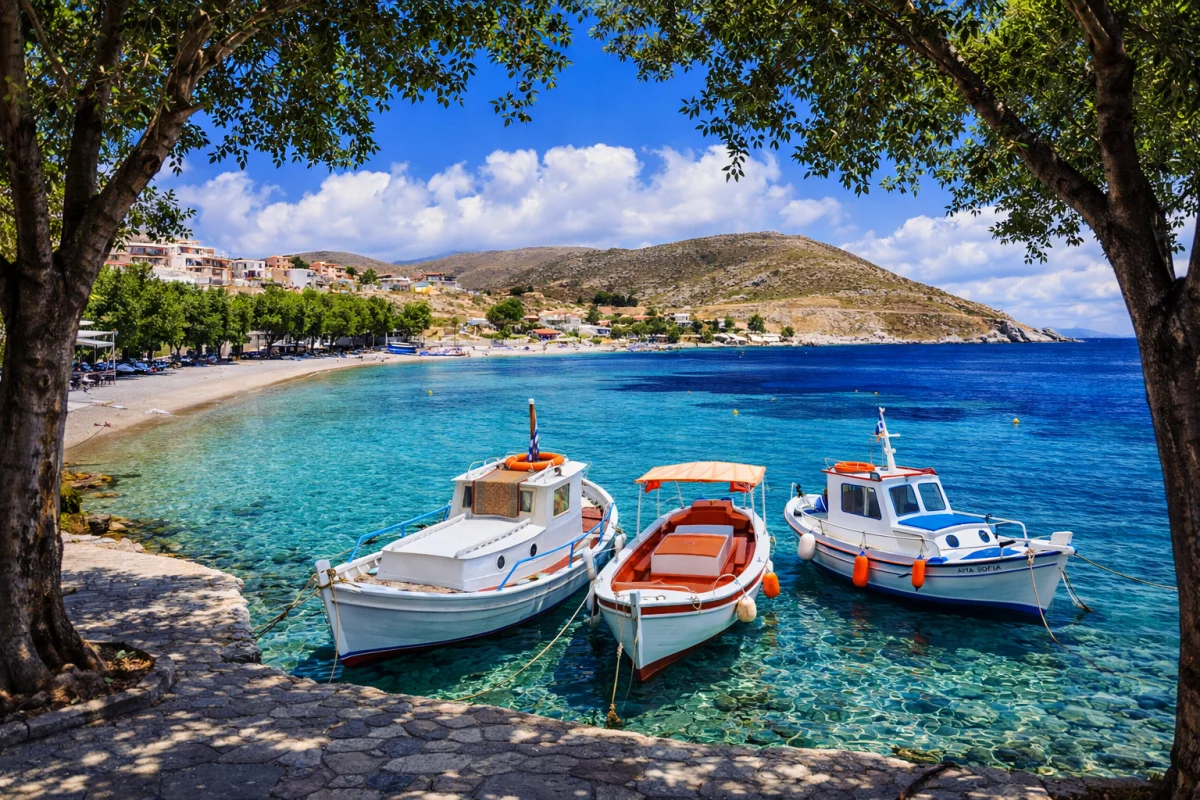
The sea has never just been for fun on Kalymnos. It still feels like a place to work, not just a backdrop. People have been using fishing boats, small harbours and coastal paths for a long time. Swimming here is different than swimming on islands that are more laid-back. The water looks clear and inviting, but it's heavy. You know about depth, currents and exposure. Beaches are usually small and rocky and their shape is more due to geology than design. They do what they're supposed to do without any fuss.
Rocks and Cliffs
The island's limestone cliffs are the most important part of its profile. They rise up suddenly, pale and textured and the light hits them in sharp contrasts. These formations used to make it hard to move. Now, they say that Kalymnos is a modern climbing destination. What draws climbers here is the same thing that shaped island life for centuries: raw, accessible rock and a landscape that demands engagement. The cliffs are not scenic backdrops. They are obstacles, resources and now, arenas. This connection between the past and the present is that people have always used the land instead of just looking at it.
Food
Food from Kalymnos is straightforward. It shows a work culture where food was meant to keep you going, not impress you. Fish, bread, beans, greens and strong flavours are the main ingredients. It feels good to eat here. Portions are honest. Recipes are familiar rather than decorative. Meals fit naturally into the day’s rhythm. Conversation often revolves around practical matters. There is little performance around hospitality. You are fed because that is what people do.
Tourism Without Disguise
Tourism exists on Kalymnos, but it does not override the island’s identity. Visitors arrive for climbing, for diving and for proximity to Kos. They fit into the island’s rhythm rather than reshaping it. There is no attempt to soften edges or create illusion. Infrastructure serves function first. The island remains visibly itself, regardless of who comes.
What Makes Kalymnos Feel Alive
It seems like Kalymnos is alive because it never stops working. The island kept its energy, sense of effort and movement even as industries changed. It is not a place for retreat. It is a place for engagement. You notice your body here, climbing, swimming and walking steep streets. You notice time differently, structured by tasks rather than leisure.
What Stays With You
Kalymnos stays with you as a feeling of strength rather than beauty. The memory of stone under hand. Of salt in the air. Of an island that learnt to survive by doing rather than dreaming.