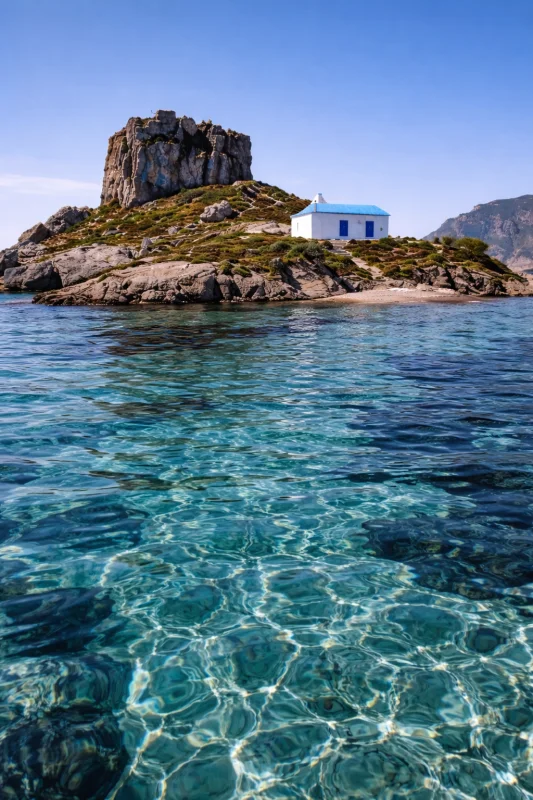
Kos is an island that has learnt how to hold complexity without becoming loud. It is larger, more open and more accessible than many of its Dodecanese neighbours, yet it never fully loses its sense of grounding. Life here moves outward, but it does not scatter. People often arrive on Kos with clear ideas. Beaches, history, ease. They find an island with different rhythms, where old routines sit under new ones and quiet villages sit next to busy coastal areas without any problems.
Geography That Encourages Movement
Kos is long and flat compared to other Dodecanese islands. It is close to the coast of Asia Minor. This shape has always been important. Getting about the island is easy. Roads don't go up; they go straight ahead. Fields don't fold in; they spread out. Fields don't fold up; they open up. The land feels generous. Fertile areas break up dry stretches. Palm trees line parts of the coast, an unusual sight in the Aegean, giving certain areas a softer, almost continental feel. The sea around Kos is calmer than around more exposed islands. Beaches often slope gently into shallow water. It feels like distance is something I can handle. The island's personality comes from how easy it is to get to; it's not as closed off and more open.
Kos Town and Life in General
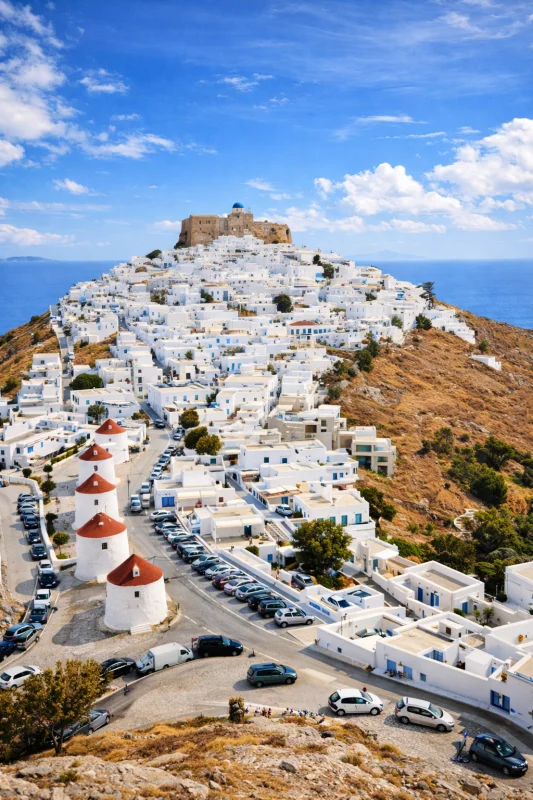
Kos Town is on the northeastern edge of the island, across from the Turkish coast. It has a lot going on, but it's not too much. It's shaped by layers of history instead of just one person. Old ruins are casually mixed in with modern streets. Roman odeons, mediaeval fortifications and buildings from the Ottoman Empire don't seem like attractions that are separate from everyday life; they seem like part of it. People pass them on their way to work. Children play nearby. History does not interrupt the present here, it coexists with it. The harbour brings movement. Ferries arrive regularly. Cafés fill and empty. Evenings are social and animated but never chaotic. Kos Town feels like a place where people can live, work and connect with others.
A long, visible past
People have lived on Kos for thousands of years without stopping. Because of where it was, it was useful in many ways: strategically, culturally and medically. It is famously associated with Hippocrates and the island’s ancient role in medicine still lingers in its identity. Through antiquity, Roman rule, Byzantine administration, Ottoman presence and Italian occupation, Kos absorbed influence rather than resisting it. Each era left physical marks, buildings, layouts and roads, but none erased what came before. Unlike more isolated islands, Kos did not preserve tradition by retreating inward. It did so by adapting.
Villages That Are Not on the Coast
Kos has a more relaxed pace of life away from the main town and tourist spots. Inland villages are surrounded by fields and low hills that were made by farming, not trade. Things are different here. It gets light early in the morning. The heat makes the afternoons go by slowly. In the evenings, people naturally get together. These villages don't do things the way they used to. They live it quietly, without saying why. Walking through these areas feels grounding. You notice daily routines rather than sights. You become aware of how people live rather than what they show.
Beaches Without Drama
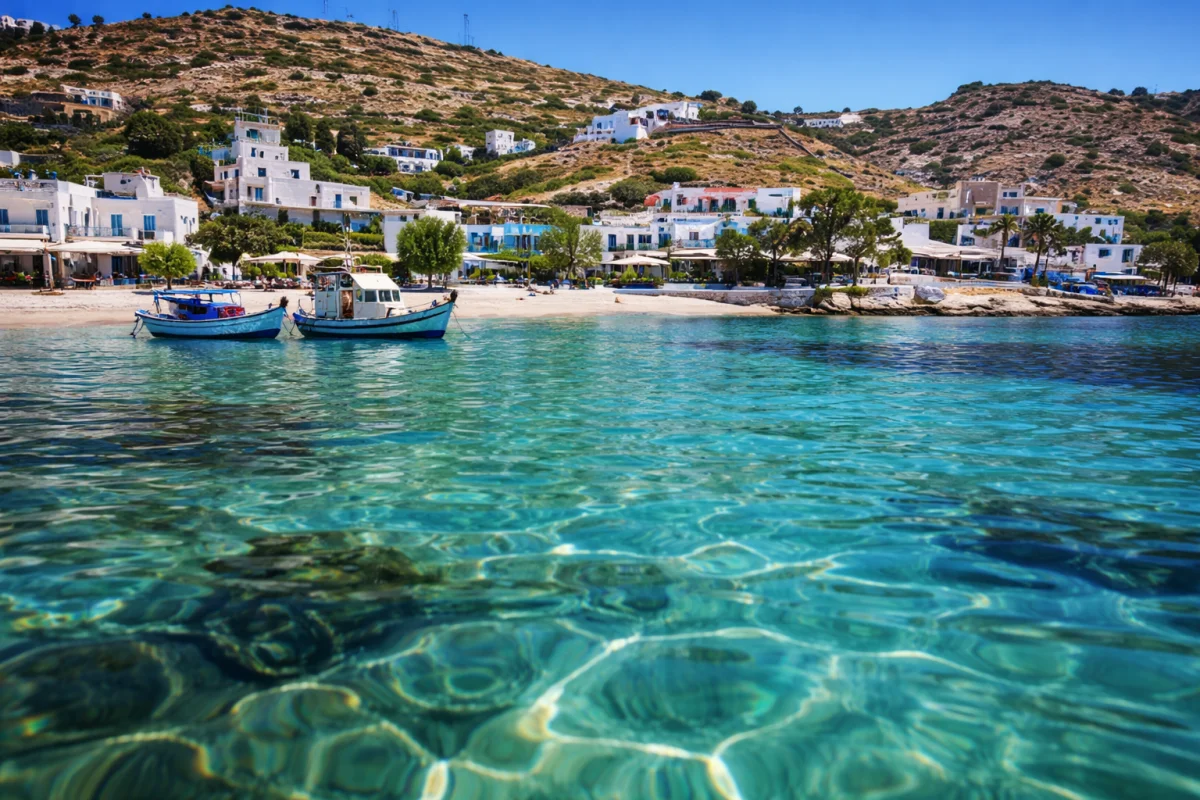
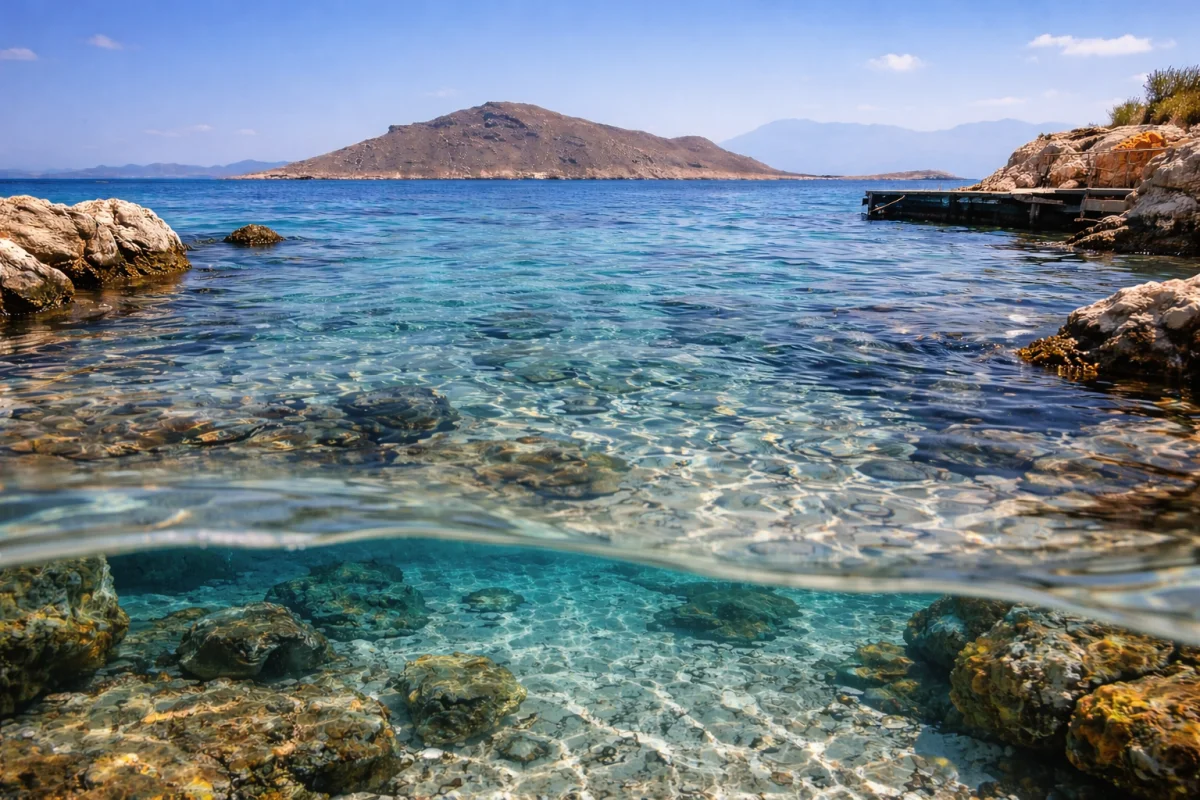
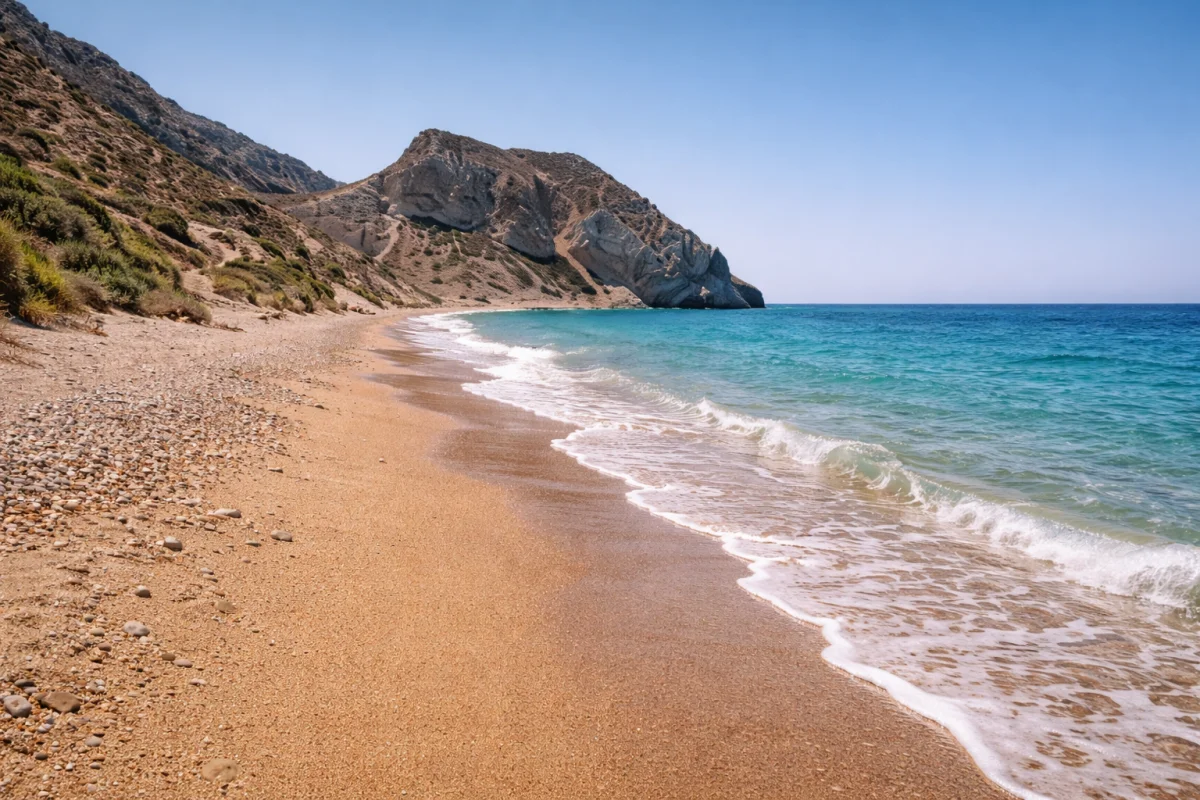
Kos has many beaches, but they rarely feel extreme. They are accessible, varied and functional rather than theatrical. Some are long and sandy, ideal for swimming without effort. Others are pebbled and quieter, with deeper water and fewer people. The island’s size allows choice without pressure. You don’t feel funnelled into one experience. The sea is clear and inviting, especially in the morning. It feels almost still on calm days.
Food as a Constant in Our Lives
The food on Kos shows how the island is both traditional and open. Local foods mix well with things that have been learnt over time. Fresh produce, fish, olive oil, bread. All familiar, all dependable. Meals are social but not ceremonial. Eating is not an event that needs attention; it is just a part of the day. In the evening, taverns fill up naturally and conversations flow without any pressure. People here seem to think that food is meant to keep life going, not to get in the way of it.
Tourism as Part of the Landscape
Kos has long been a gateway island. Visitors arrive easily, often staying briefly, sometimes returning repeatedly. Tourism is visible, but it does not dominate every corner. The island has learned how to host without surrendering its structure. There are busy areas and quiet ones. You can choose how involved you want to be. This equilibrium makes Kos stronger than several other islands. It doesn't rely on just one version of itself.
Why Kos Is Safe
Kos seems grounded since it has always been linked to land, sea and other cultures. It didn't survive by pulling away; it survived by taking in. It is an island where life continues at multiple speeds without conflict. Where history remains visible without being heavy. Where visitors can arrive, move through and still find moments of stillness.
What You Bring With You
People who leave Kos don't feel like they're in a hurry. Memories come to mind slowly, like a morning swim, a walk past ruins without stopping or a dinner that took longer than planned. Kos simply becomes familiar and that familiarity is what stays.