Lakkos and the whole Kanava area around it isnt really known. You go because someone tells you, “It’s interesting,” or because you’re curious about the parts of Milos that don’t show up on postcards and when you finally get there, you understand right away. With no bars, umbrellas, no soft sand or bright colours, just land, rock and silence. Lakkos and Kanava show you the raw version of Milos. The version shaped by volcanoes, heat, minerals and people who worked hard in a place that never pretended to be easy. and somehow, that honesty feels refreshing. It’s the kind of place that gets under your skin quietly.
The Road There
As you drive toward the area, you start noticing small changes in the land. The hills become sharper. The colours get deeper. Rust, red, dark purple and black. The whole place looks like it was baked, cooled, cracked and rearranged by something powerful. Which, of course, it was. There’s something grounding about it. You’re seeing the island’s “inside” instead of its pretty edges. When you step out of the car, the first thing you feel is the silence. Not the quiet of a beach at sunset. A heavier, older silence. A silence that feels like it has stories in it.
The Mining Ruins
Kanava used to be one of the important mining areas of Milos and traces of that life are everywhere. You see old openings carved into the rock. Dark, half-collapsed tunnels that once led underground. You see rusted metal scattered around, little pieces of equipment left behind and stones stacked in a way that tells you human hands were here long before you. The mines are simply there, aging quietly, blending into the land and becoming part of the earth again little by little. You stand in front of a dark tunnel and imagine men walking into it in the early morning, tools over their shoulders, dust on their clothes. You picture kids playing on the rocks while waiting for their parents to finish work. You feel the history, not because someone told you about it, but because the place carries it in the air. It’s strangely moving.
The Ground Itself
One of the things that surprises people most about Lakkos is how alive the ground feels. You walk over soil that changes colour every few steps. Bright red. Deep brown. Pale yellow and charcoal black. Some of the rocks feel warmer than the sun alone could make them. In places, you’ll see little puffs of steam rising from cracks. The air has a faint mineral smell. Not strong, just different from the salty coastal breeze you’re used to. This is Milos reminding you, gently, that it’s volcanic. That there’s heat underneath everything. That the island is still warm in its bones. It’s weirdly comforting to feel the warm earth beneath your feet. Almost like touching the island’s heartbeat.
The Hot Springs
If you didn’t know there were hot springs in the area, you might walk right past them. They’re not set up like attractions. There’s no pool, no sign, no “place to sit and soak”. Instead, you find warm patches of rock. Thin trails of water that feel strangely warm when you dip your hand in. Little openings where a bit of steam escapes. It’s all very subtle. You can stand there, feel the warmth rising from the land and realise you’re touching something that comes from deep inside the earth. Most people don’t stay long. It’s not the kind of hot spring where you settle in for hours. It’s more of a moment. One of those small, surprising things that make you whisper, “Wow… this is actually coming from the ground.”
Walking Around Lakkos
If you walk around the Kanava area for a while, you start noticing how the land shapes itself into layers, waves and cracks. Some rocks look like they’ve been split neatly by a giant blade. Others crumble easily under your fingers. Every step feels like a mix of geology and history. You’re not just looking at rocks, you’re looking at the island’s past and its foundation. You’re walking through something that has existed for millions of years and shaped the lives of people for generations. There’s no path you “must” follow. You just wander, slowly, with your head turning every few metres because something interesting catches your eye.
The Coast
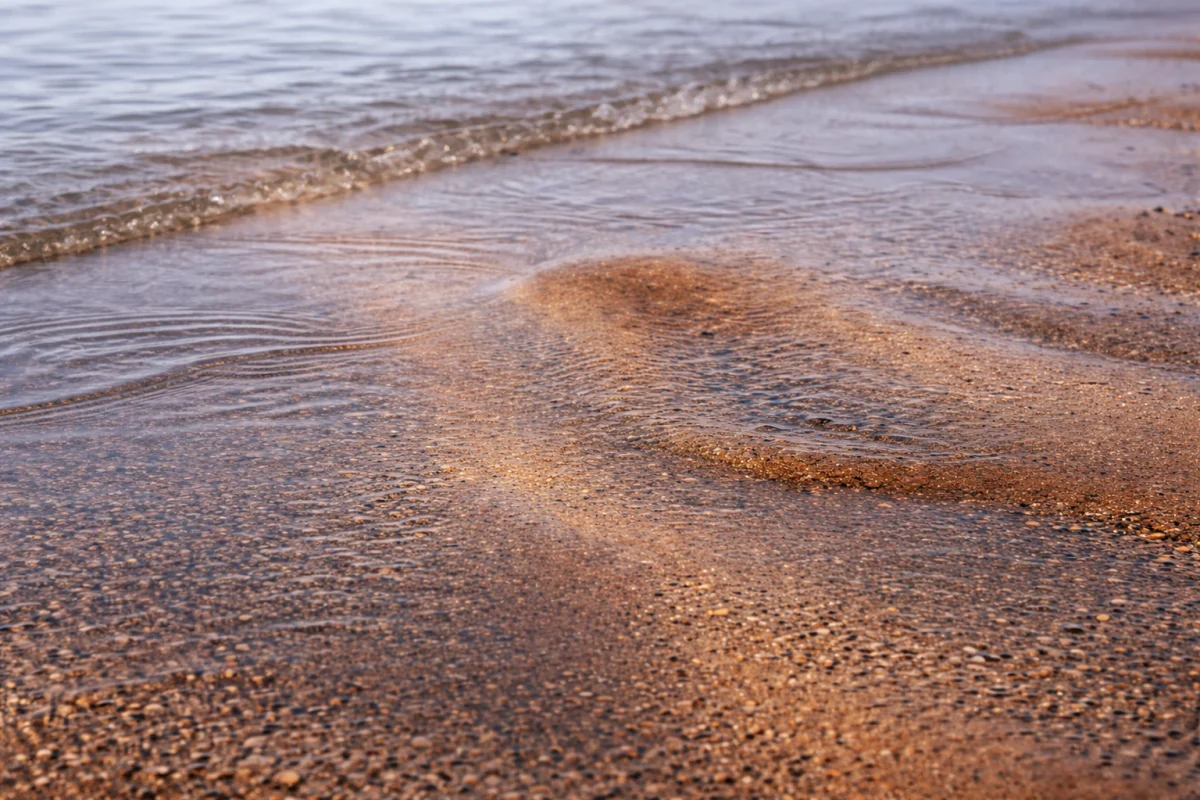
A short walk brings you to the water. Not a classic beach, but a simple rocky shore where the sea meets the land without any decoration. The contrast is refreshing. You go from warm earth to cool water in a matter of minutes. The sea here is clear and calm, with deeper colours that reflect the darker rocks around it. If you choose to swim, the water feels especially clean after walking through the dusty, mineral-filled paths. It’s a quiet swim. Most people sit for a moment afterward, letting the breeze cool them down while they stare at the land they just explored. It’s one of those small, peaceful moments that stays with you.
The Atmosphere
Lakkos and Kanava give you reflection. These are the kinds of places where you walk a little slower, breathe a little deeper and let the silence settle in your chest. There’s a sense of respect in the air, for the land, for the people who worked here, for the age of the rocks and for the heat still rising from the ground. You won’t find crowds or buses or tourist chatter. Just space, land and the quiet feeling that you’re seeing something real.
Who Will Love It
You’ll appreciate Lakkos/Kanava if you:
like seeing the “true backbone” of a place
enjoy landscapes that aren’t traditionally beautiful
love feeling connected to history and nature
want to understand Milos beyond its beaches
enjoy slow, thoughtful walks
appreciate raw, untouched scenery
It’s not for people who need comfort, shade, cafes or photos with vibrant colours. It’s for people who want reality.
Why You Should Go
Because Lakkos and Kanava show you a part of Milos that most people skip. The part that explains why the island is the way it is. The warm earth and old mines give you a sense of being connected to something deeper. The silence is the kind that settles inside youu. You leave Lakkos feeling different, quietly moved.