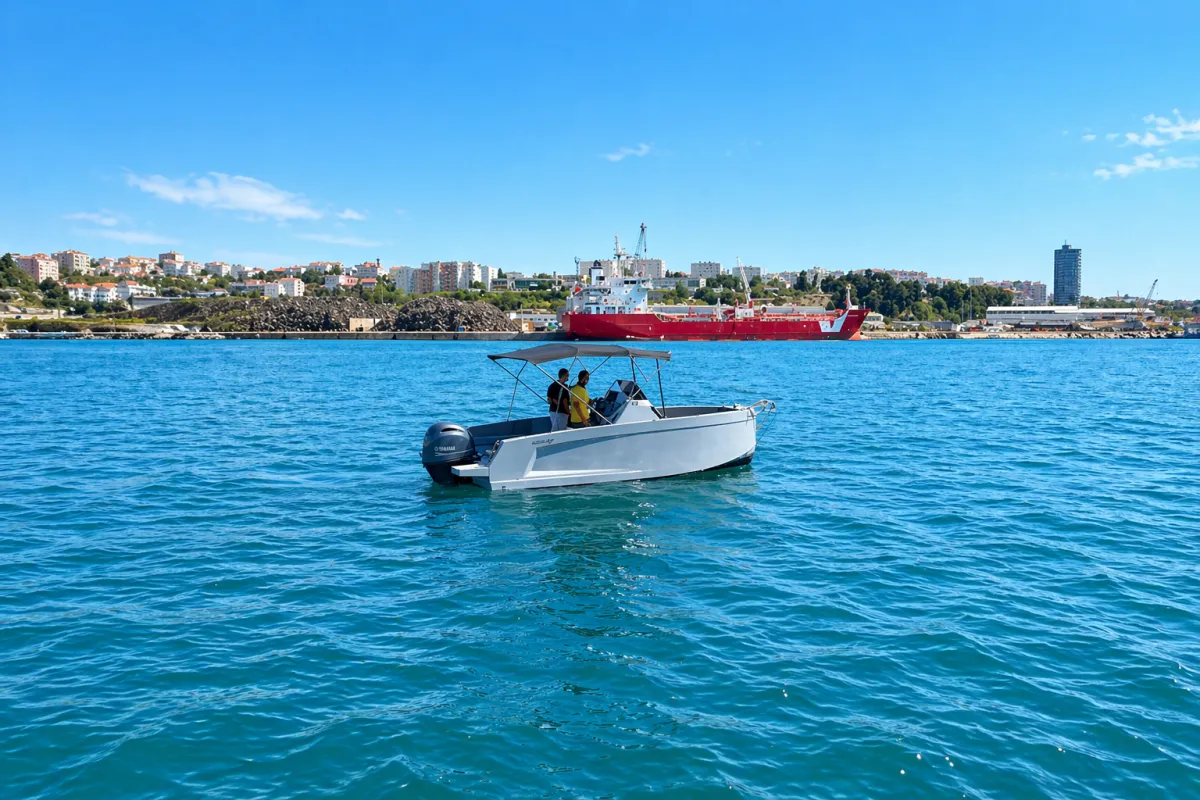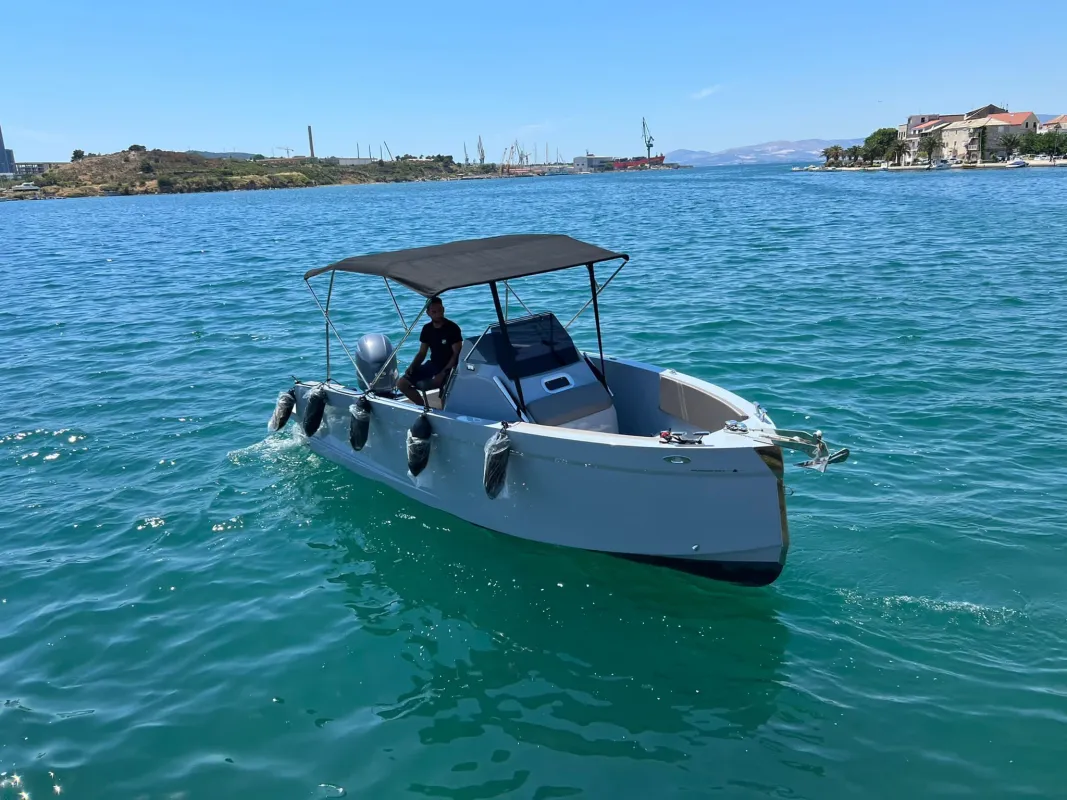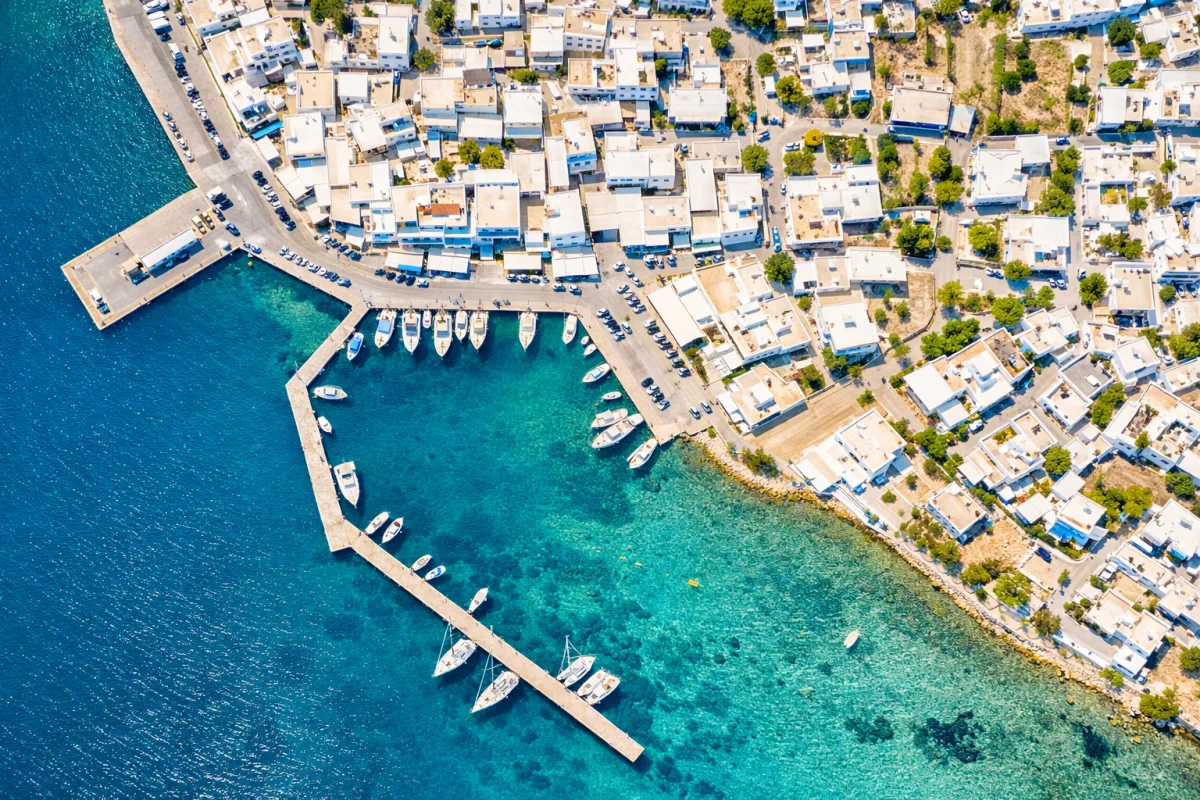
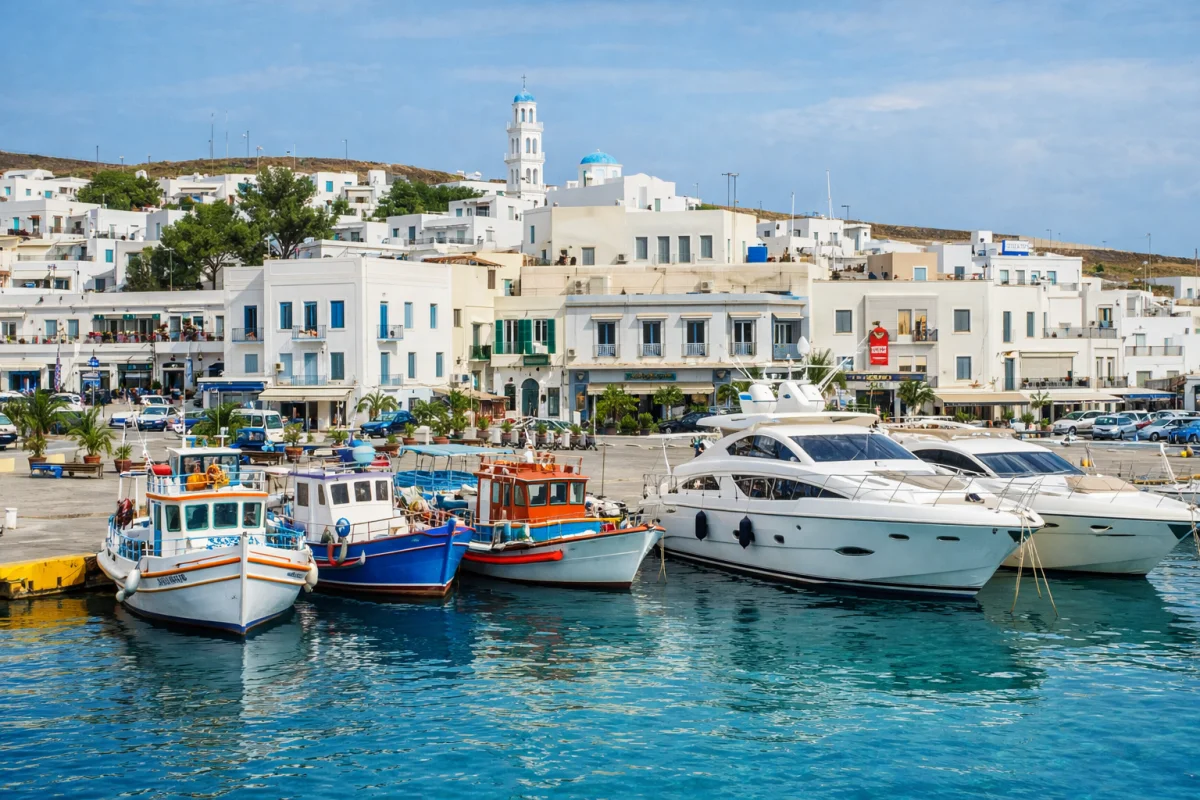
Adamantas, often called Adamas in Greek, is the heart of Milos. It is where Aegean history, Cycladic architecture and the warmth of everyday island life come together in perfect harmony. The village sits inside one of the Mediterranean’s largest natural harbours, curving gently around a sheltered bay that has welcomed travellers and traders for thousands of years. The port has a calm, quiet beauty. Glass-like waters reflect whitewashed houses and softly sloping hills. Adamantas is more than just a harbour. It is where many people first step onto Milos and feel the island’s personality begin to unfold. Every morning, the waterfront slowly fills with the sound of fishing boats returning from the night, sparrows calling from tiled rooftops and the gentle rhythm of café life waking up for the day. There is energy here, cafés, restaurants, bakeries, markets and boats crossing the bay but nothing feels rushed. Even the sea seems to move more slowly in Adamantas.
What Makes Adamantas Unique
Adamantas is not just a starting point for the island. It is an experience on its own. This is where Milos first opens itself to you: welcoming, honest, grounded and deeply connected to the sea and tradition. You can arrive as a visitor and feel like a local by the second day. The café owner remembers how you take your coffee. The waterfront starts to feel familiar. The view across the bay stays with you long after you leave.
A Place of Safety with a Story
The modern village of Adamantas was founded in 1835 by Cretan refugees fleeing a failed uprising against Ottoman rule. They came seeking safety and stability and found both inside this naturally protected harbour, sheltered from harsh northern winds and gently opening into the wider Aegean. They built their houses on the slopes, paved the streets with stone and established the port that still defines the village today. Long before this, Milos itself was already known across the ancient world. Its volcanic soil produced obsidian-a dark, glass-like stone used for tools and trade in prehistoric times. Later, large deposits of sulphur, kaolin, perlite and bentonite shaped the island’s industry for centuries. You still feel this quiet connection between past and present in Adamantas. A fisherman ties knots next to a café serving espresso. A miner’s grandson runs a seaside taverna. Old stone storehouses stand beside souvenir shops. The bay remembers, even when no one speaks of it.
A Town Built on the Sea
Adamantas rises from the waterfront like a natural amphitheatre. Whitewashed houses with pastel shutters climb gently up the hills. Bougainvillaea spills colour across stone walls. The lemon trees glow in the sun. The narrow streets open to balconies where cats nap in the warm patches of light. Life unfolds. Tavernas, bakeries, small bars and shops stretch along the water. Fishermen repair nets on the pavement. Visitors sit with cold coffee watching boats drift slowly across the bay. Sunset here is one of those simple island moments that stays with you. The sea turns silver, then peach, then deep violet. Boats become dark silhouettes on glowing water. Everything feels calm, slow and deeply peaceful.
Life in the Village
Even though Adamantas is the island’s main tourist centre, its heart remains unchanged. Step away from the waterfront and you enter a quieter world. The old men sitting outside kafeneia with Greek coffee, women greeting neighbours by name and children playing barefoot in shaded courtyards. The smell of fresh bread in the early morning, bougainvillaea petals scattered over white stone steps - this life simply continues.
The Harbour and Boat Excursions
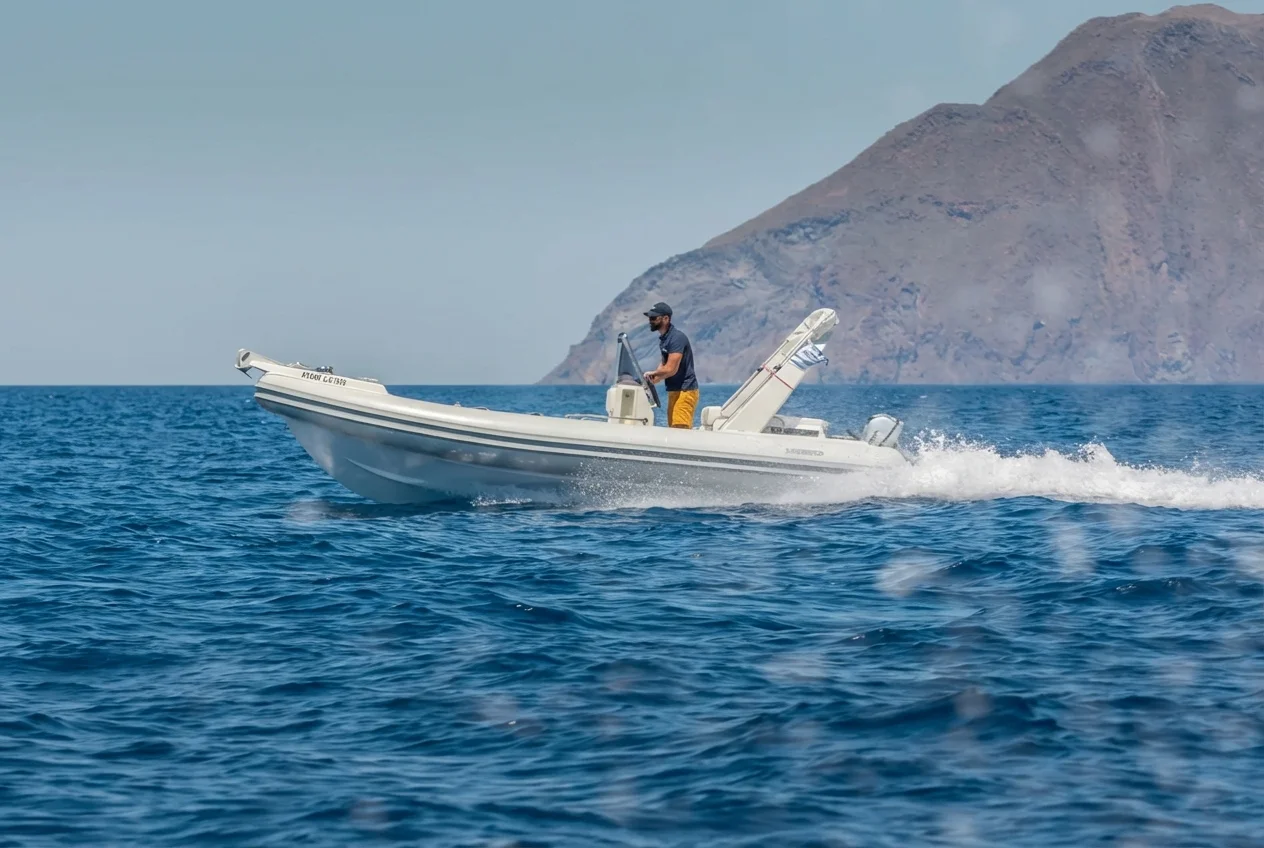
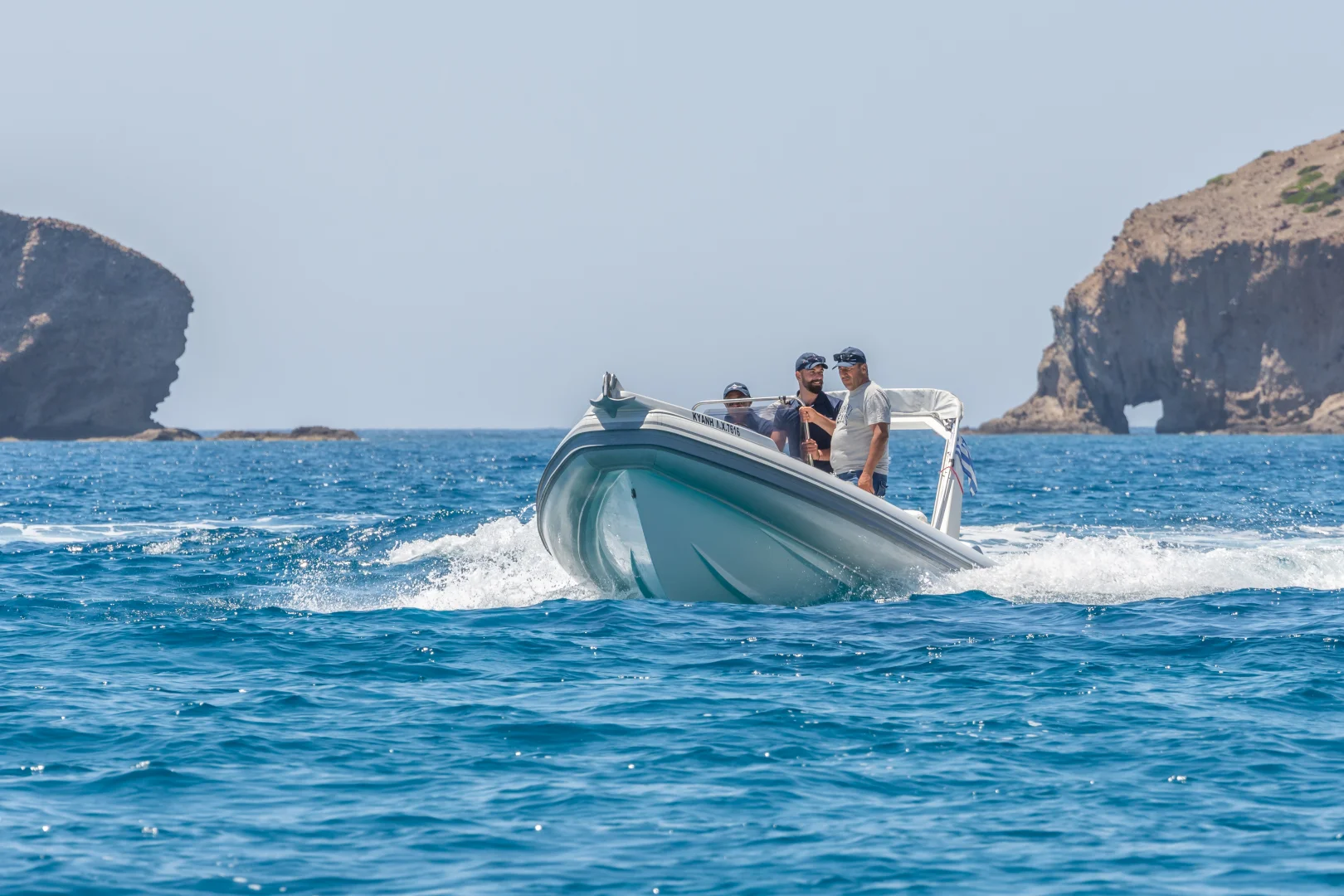
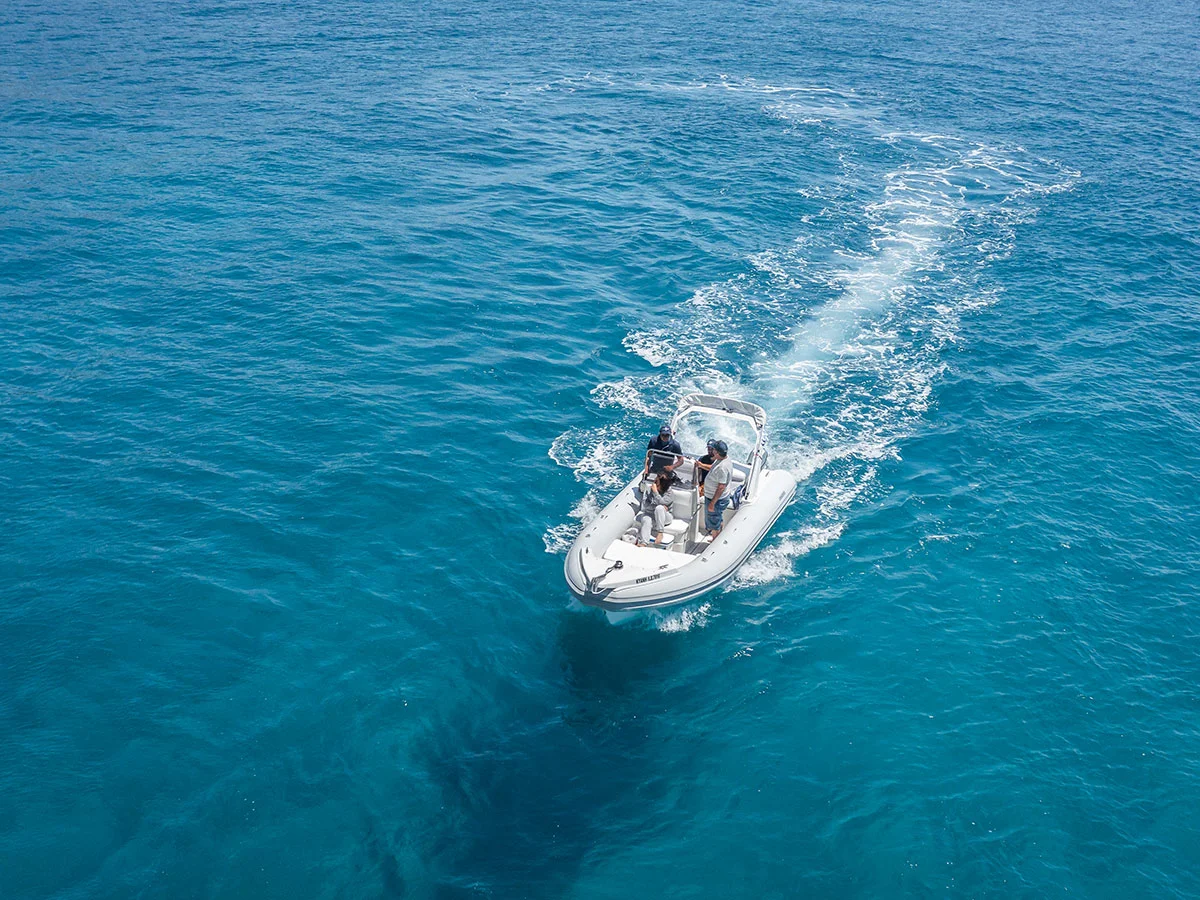
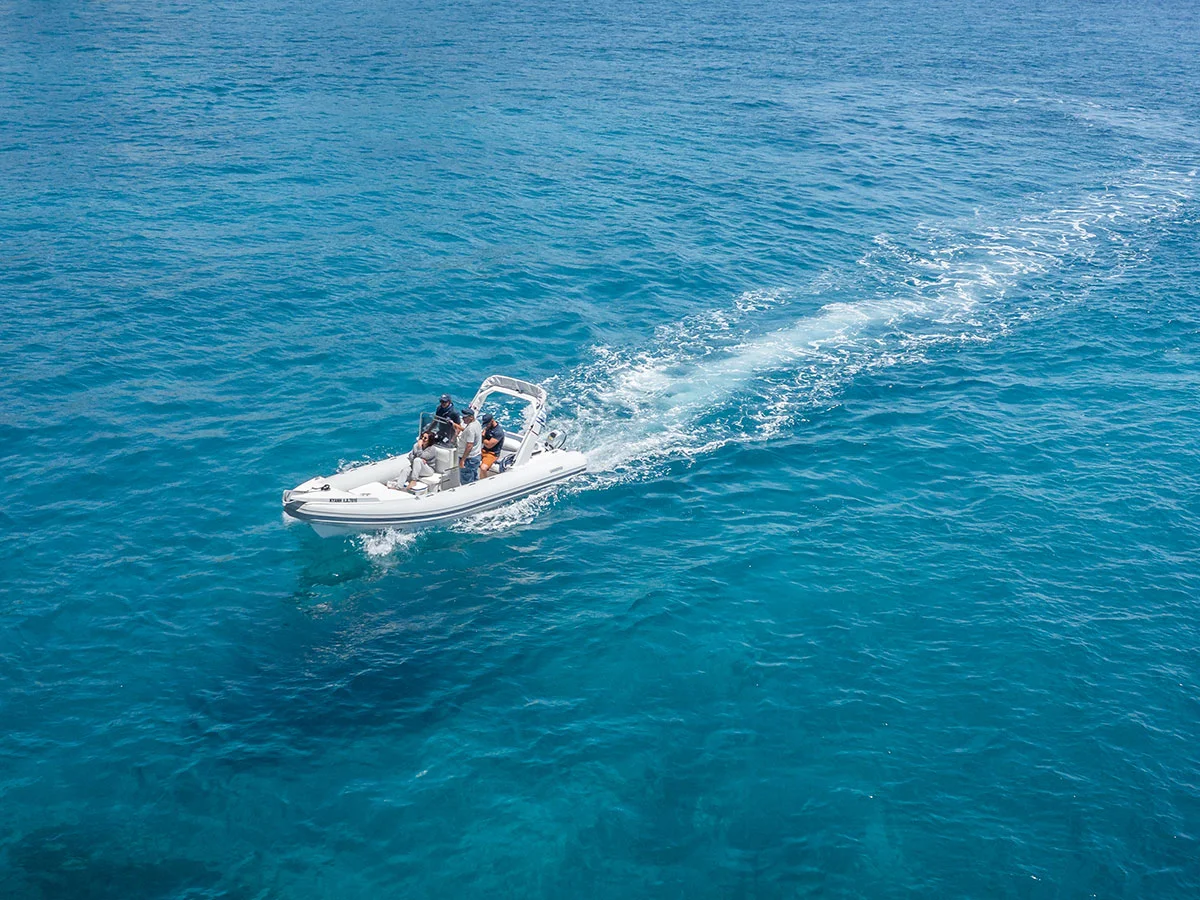
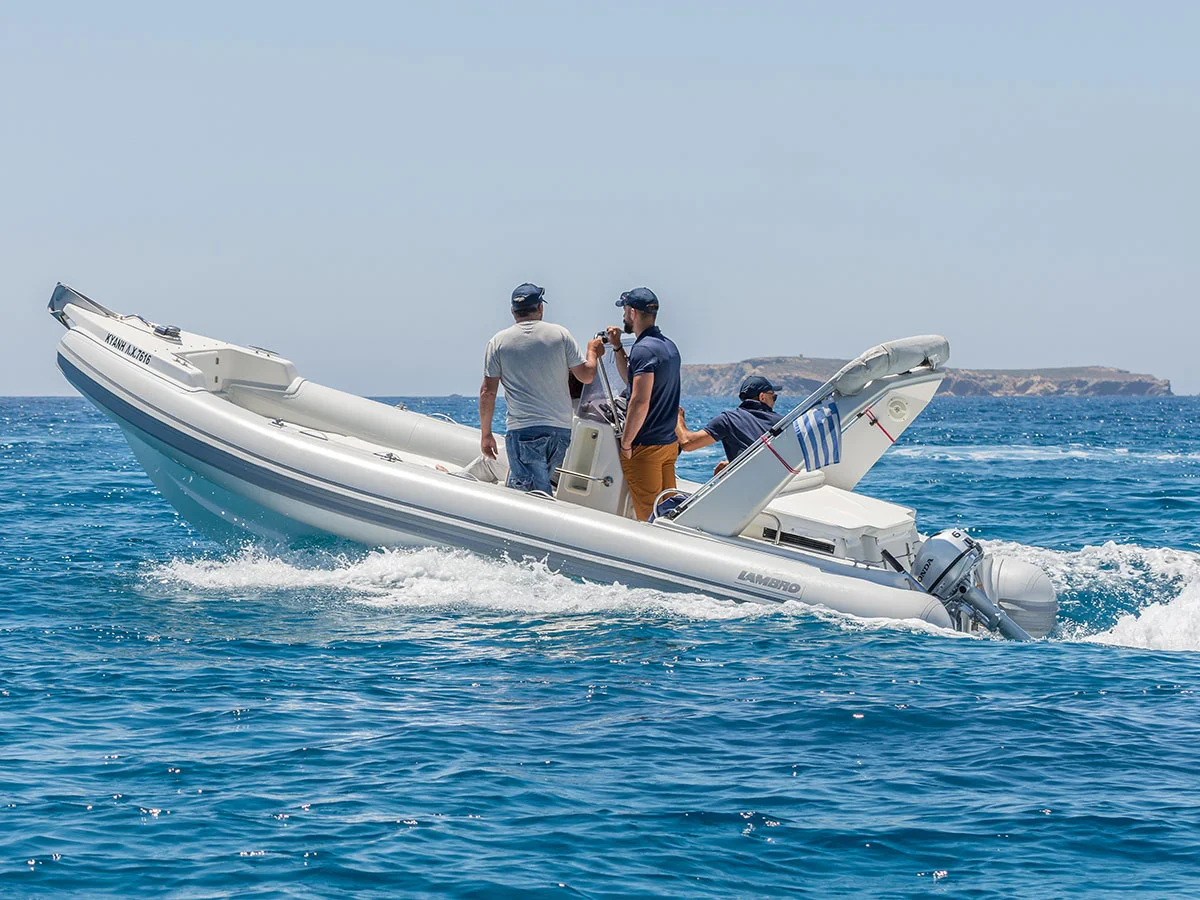
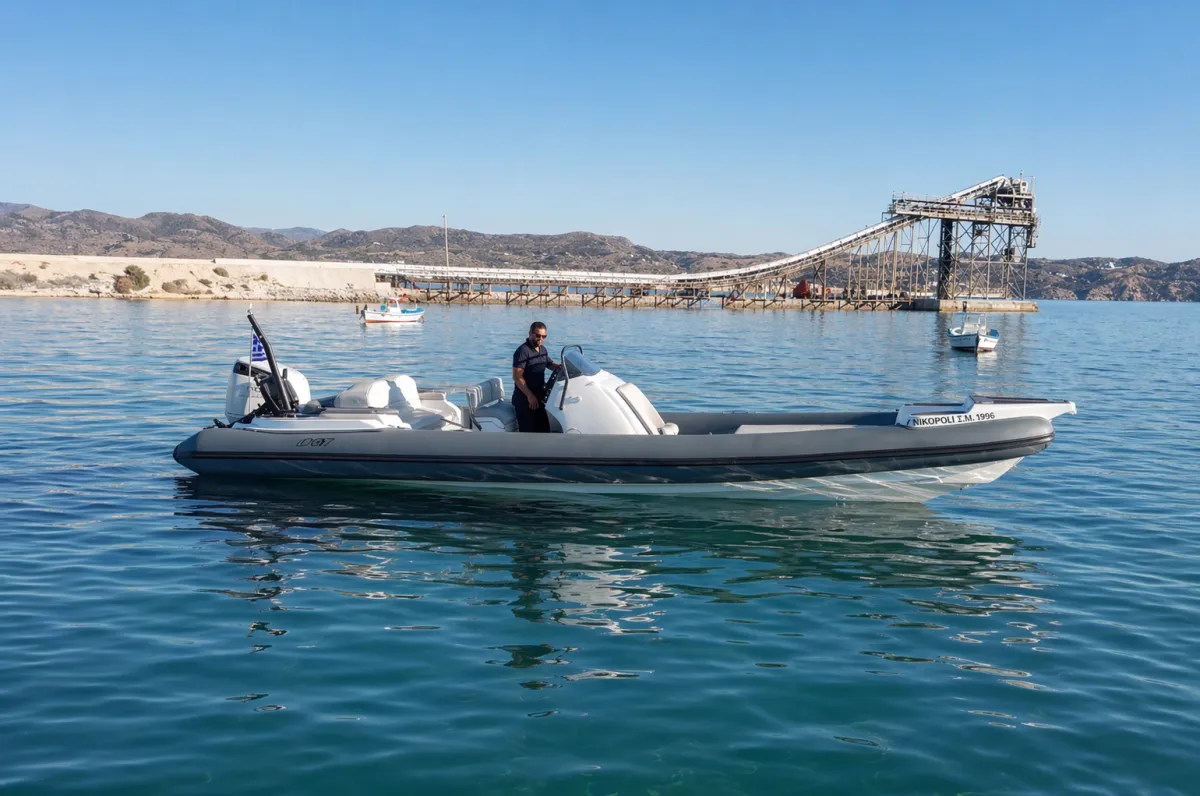
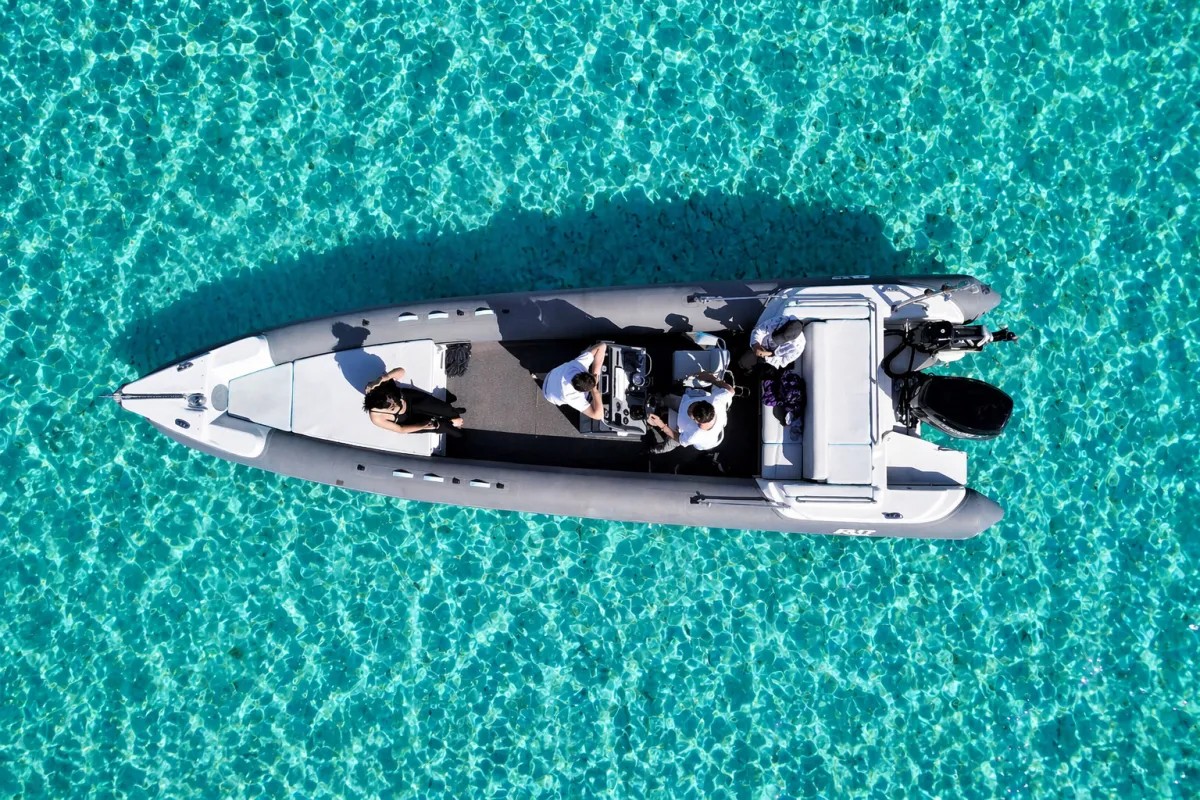
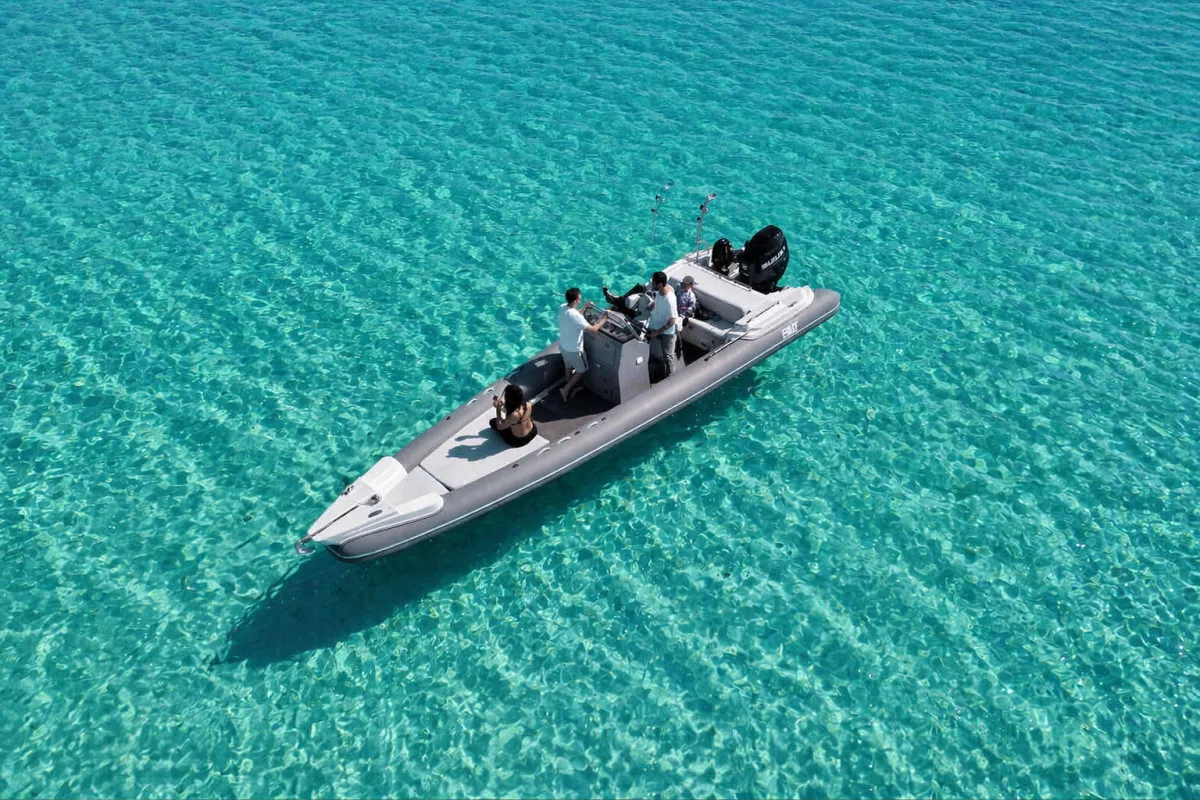
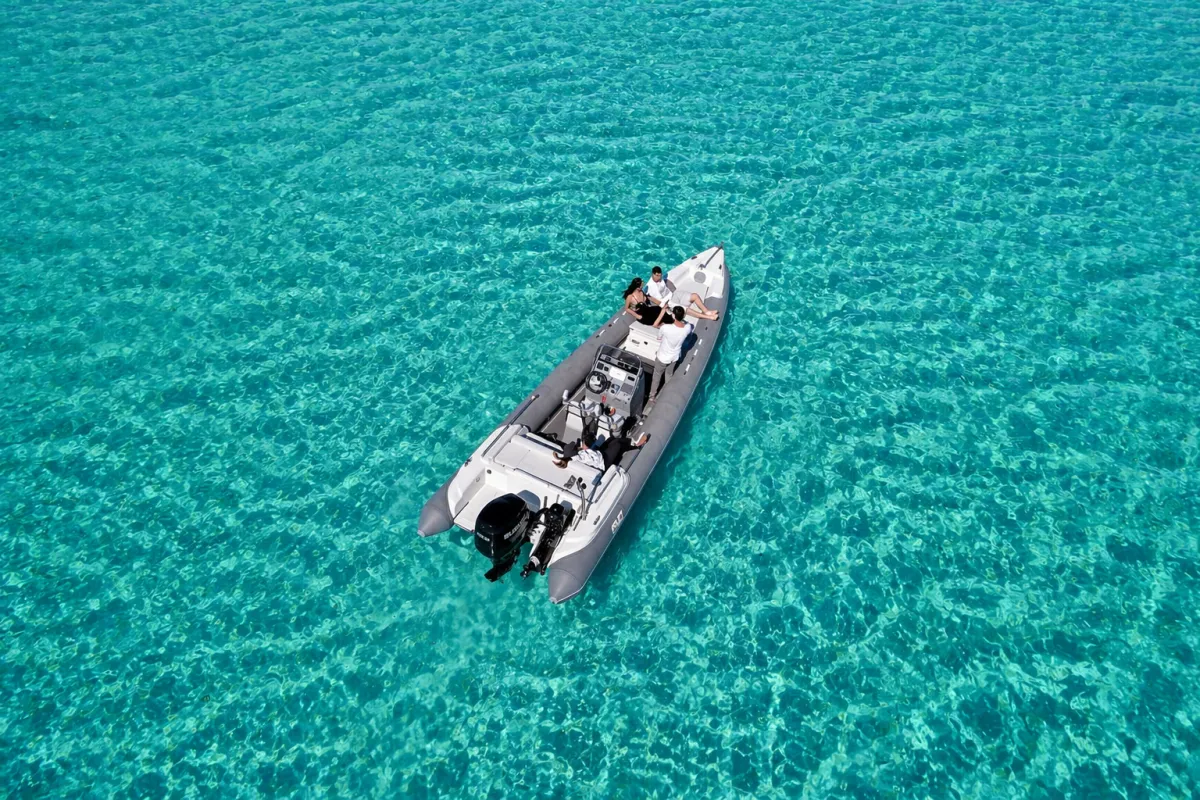
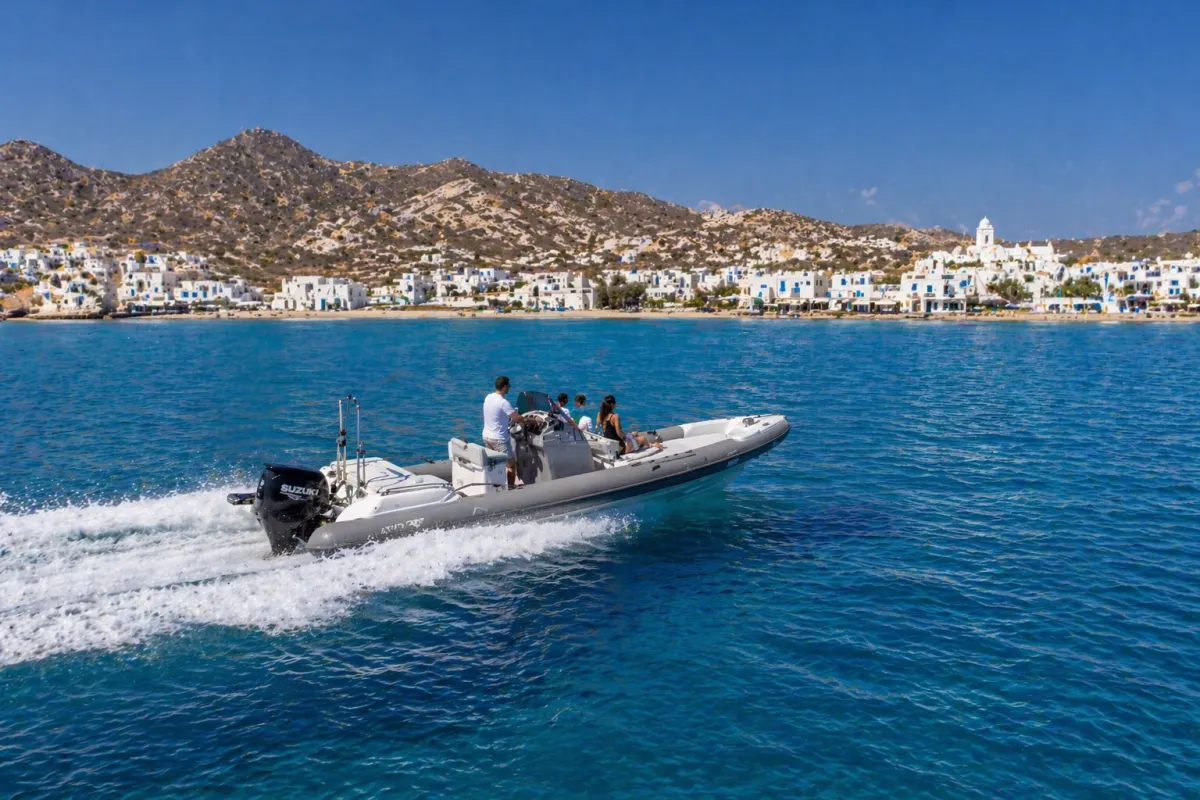
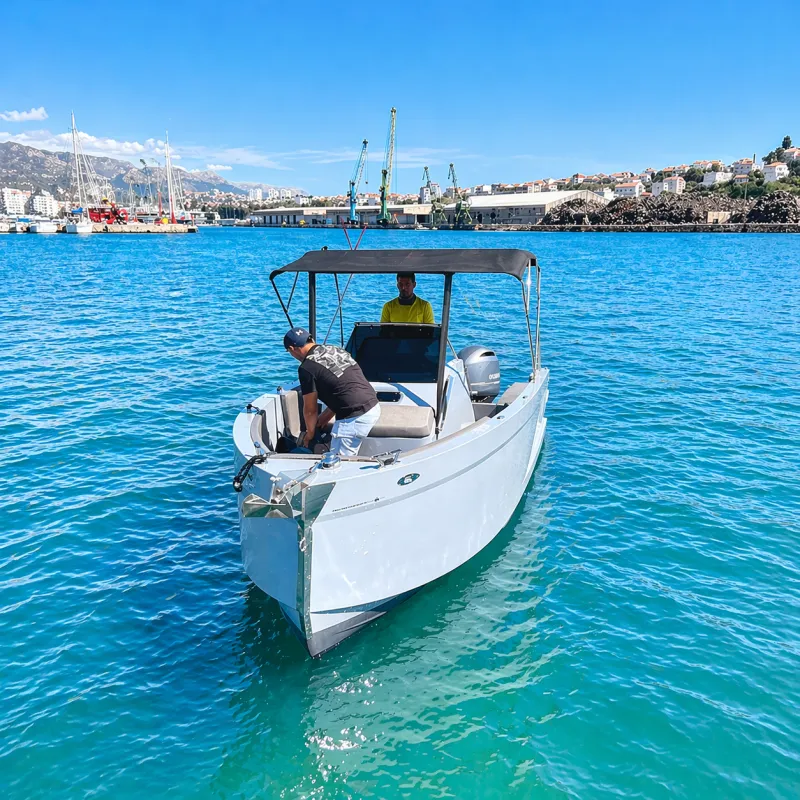
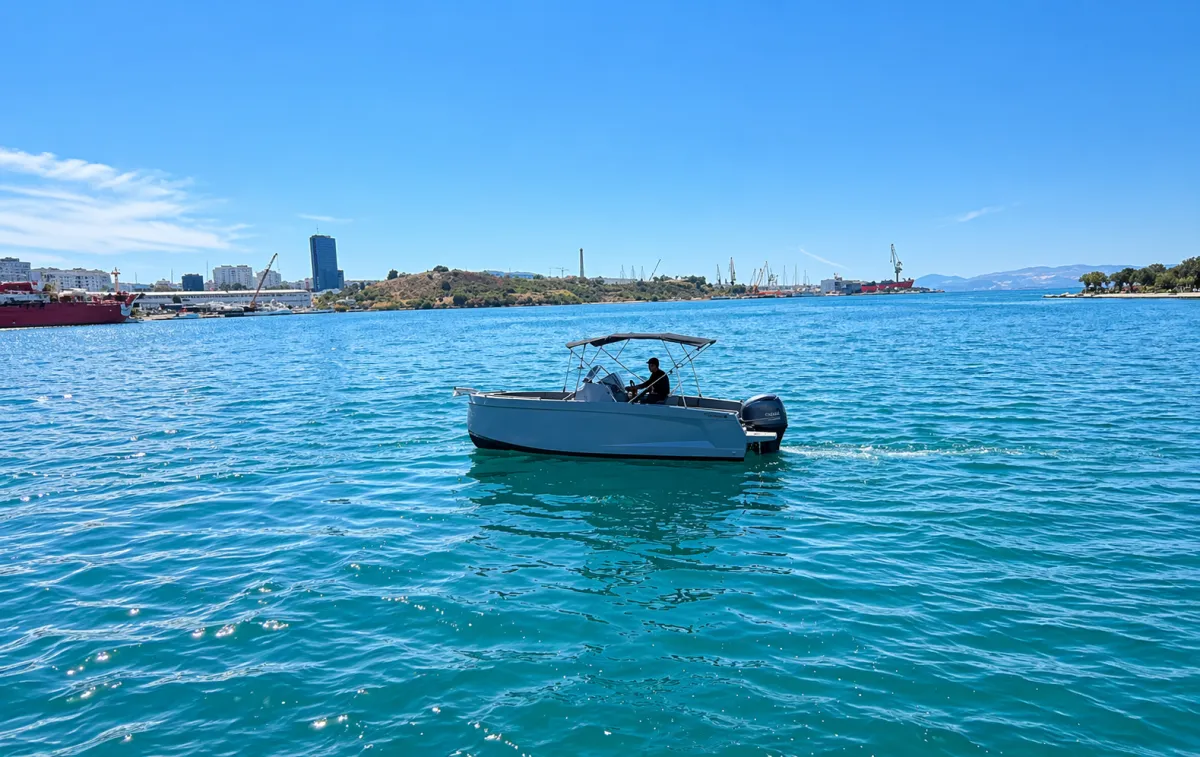
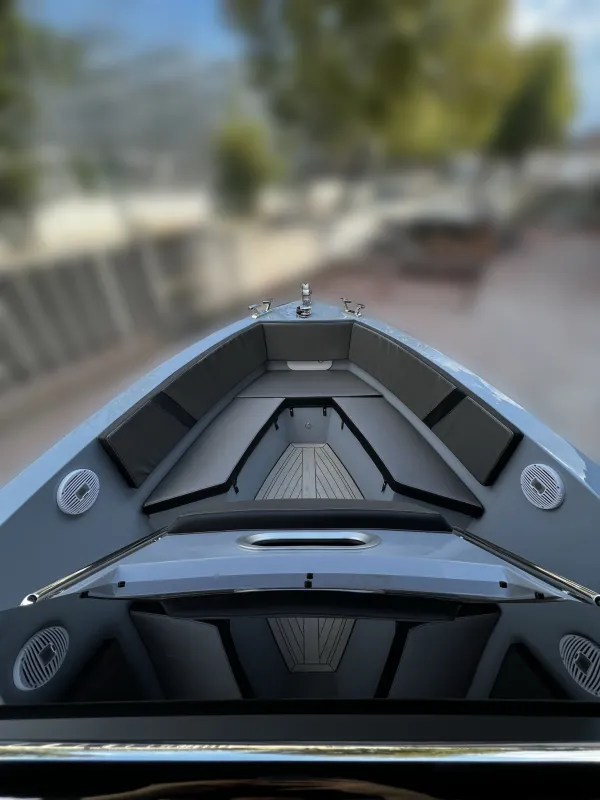
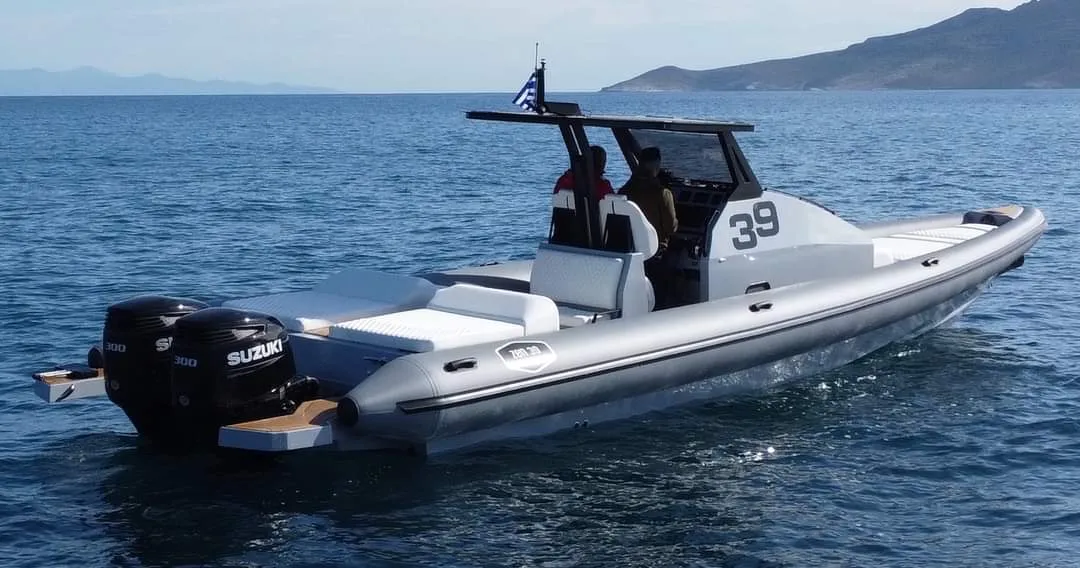
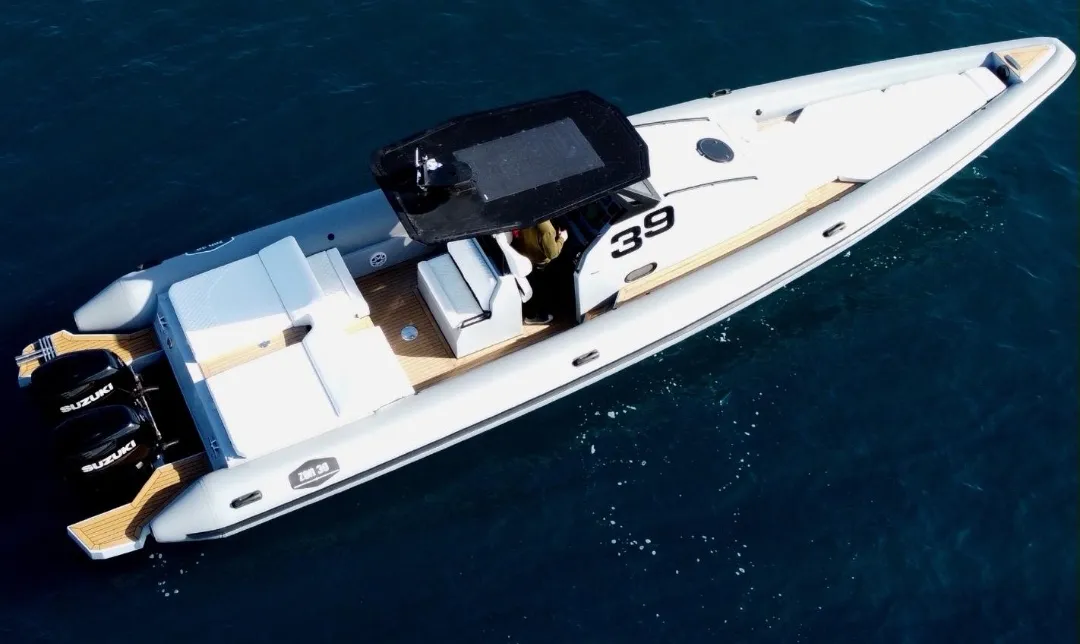
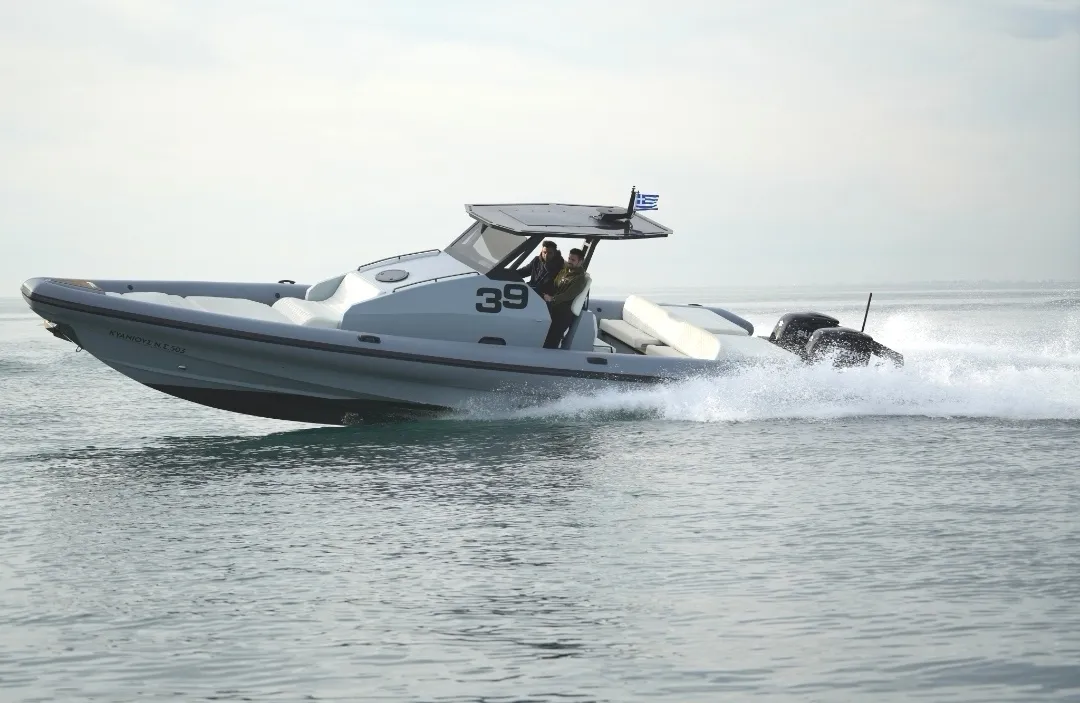
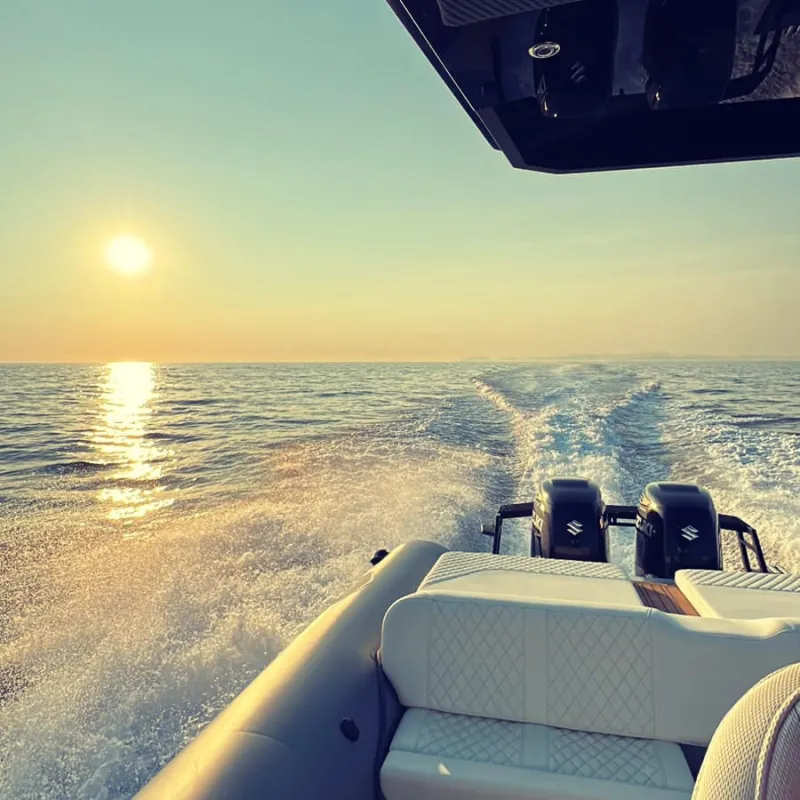
Adamantas is the gateway to Milos’ wild southern coastline. From the harbour, daily tours and private boats depart for places only accessible by sea:
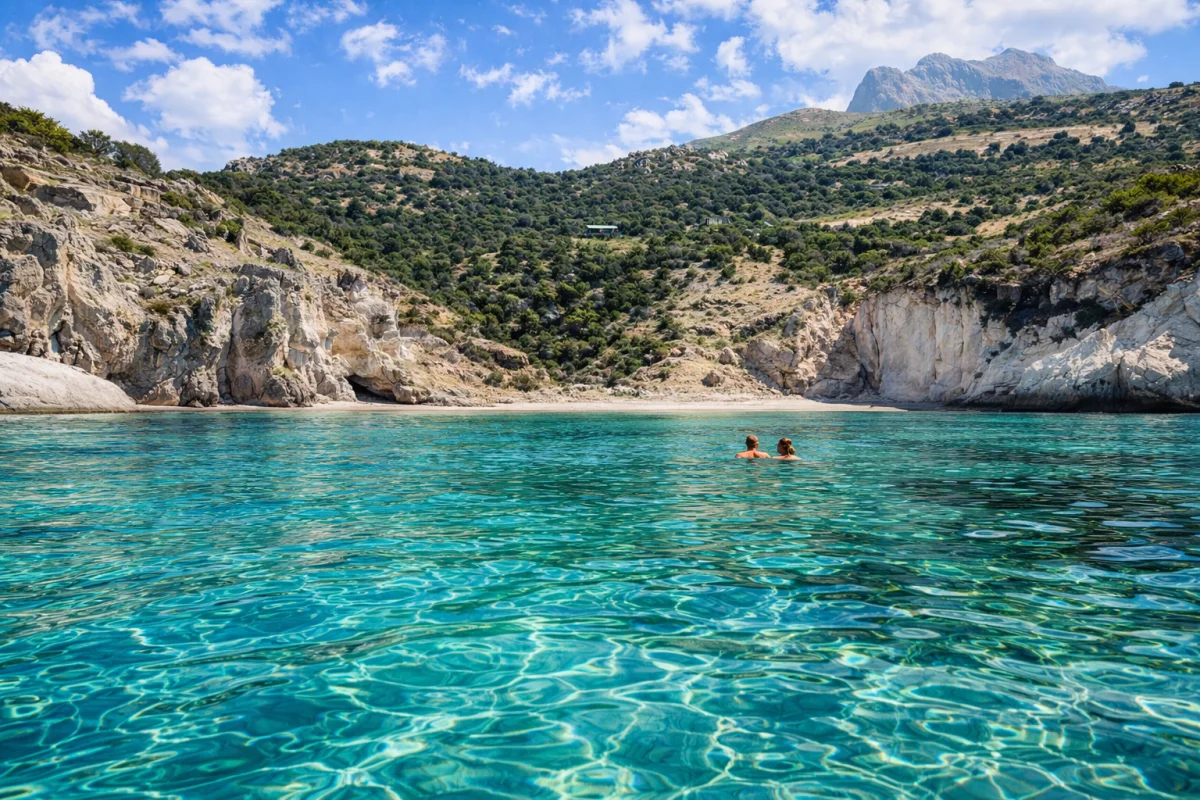
Kleftiko
With its limestone cliffs and turquoise caves
Sikia Cave
With its collapsed roof and beam of sunlight
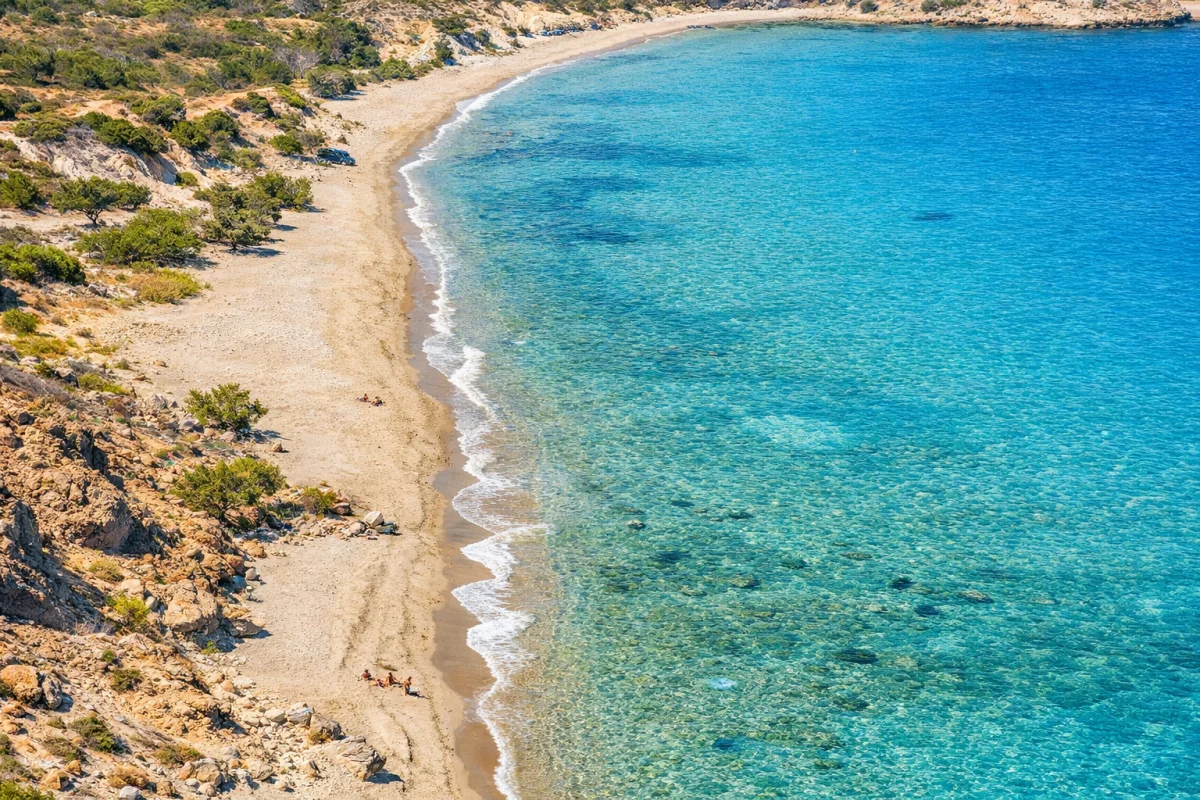
Gerakas Beach
Hidden behind sculpted white slopes
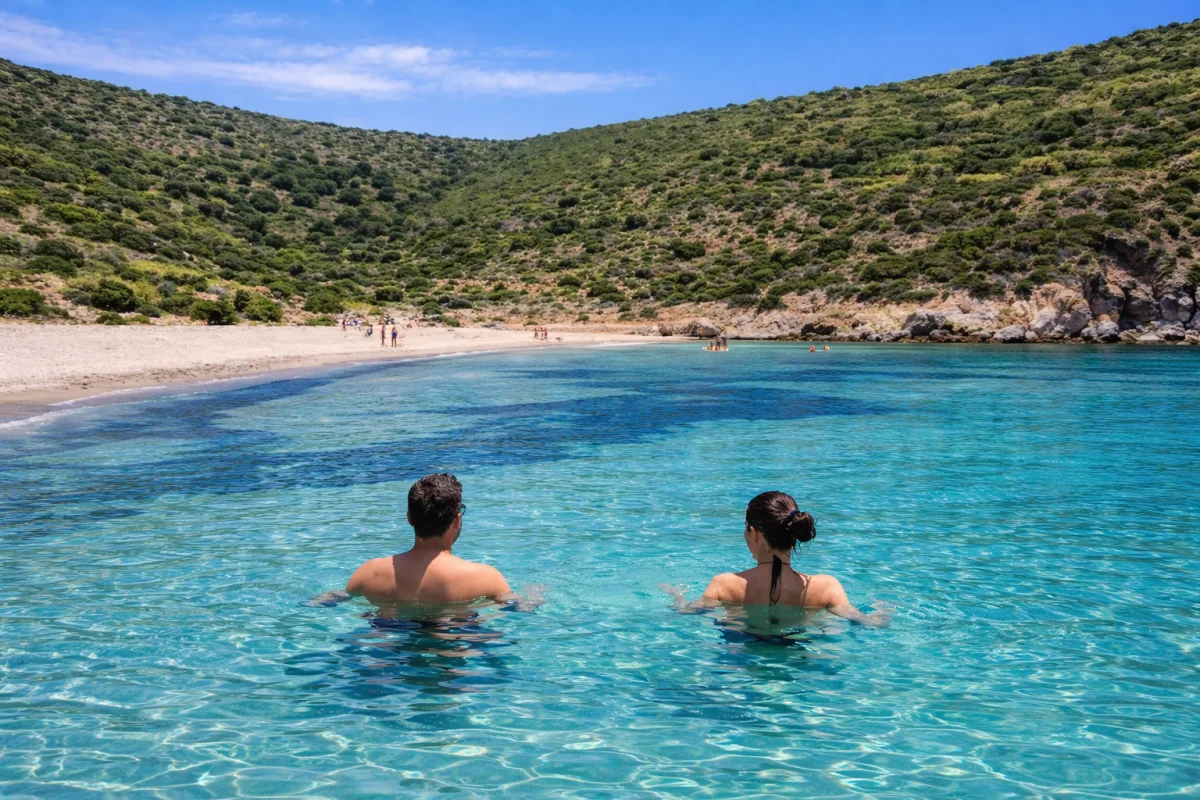
Polyaigos Island
With unreal crystal-clear waters
Everything begins here, where the calm bay opens into the untamed south.
Nearby Beaches
Two peaceful beaches lie within walking distance of the village:
Lagada Beach
With soft sand and calm morning water
Papikinou Beach
With tamarisk shade and family-friendly shallows
Both face the quiet bay, where the sea remains gentle even on windy days.
The Mining Museum of Milos
Near the village centre, the Mining Museum tells the story of the island’s geological soul. Through minerals, tools, photographs and personal stories, it shows how deeply the land shaped Milos and the people who worked beneath its surface.
Food and Evenings
As night falls, Adamantas softens. Harbour lights reflect on the water. Conversation fills the promenade. Dinners stretch long and slow beside the sea.
You’ll find the traditional tavernas with grilled fish, fava and local wine. Modern Mediterranean kitchens with island flavours. Cafés for sunset harbour views. Small bars with open-air seating and easy music.
Evenings here unfold gently under the stars.