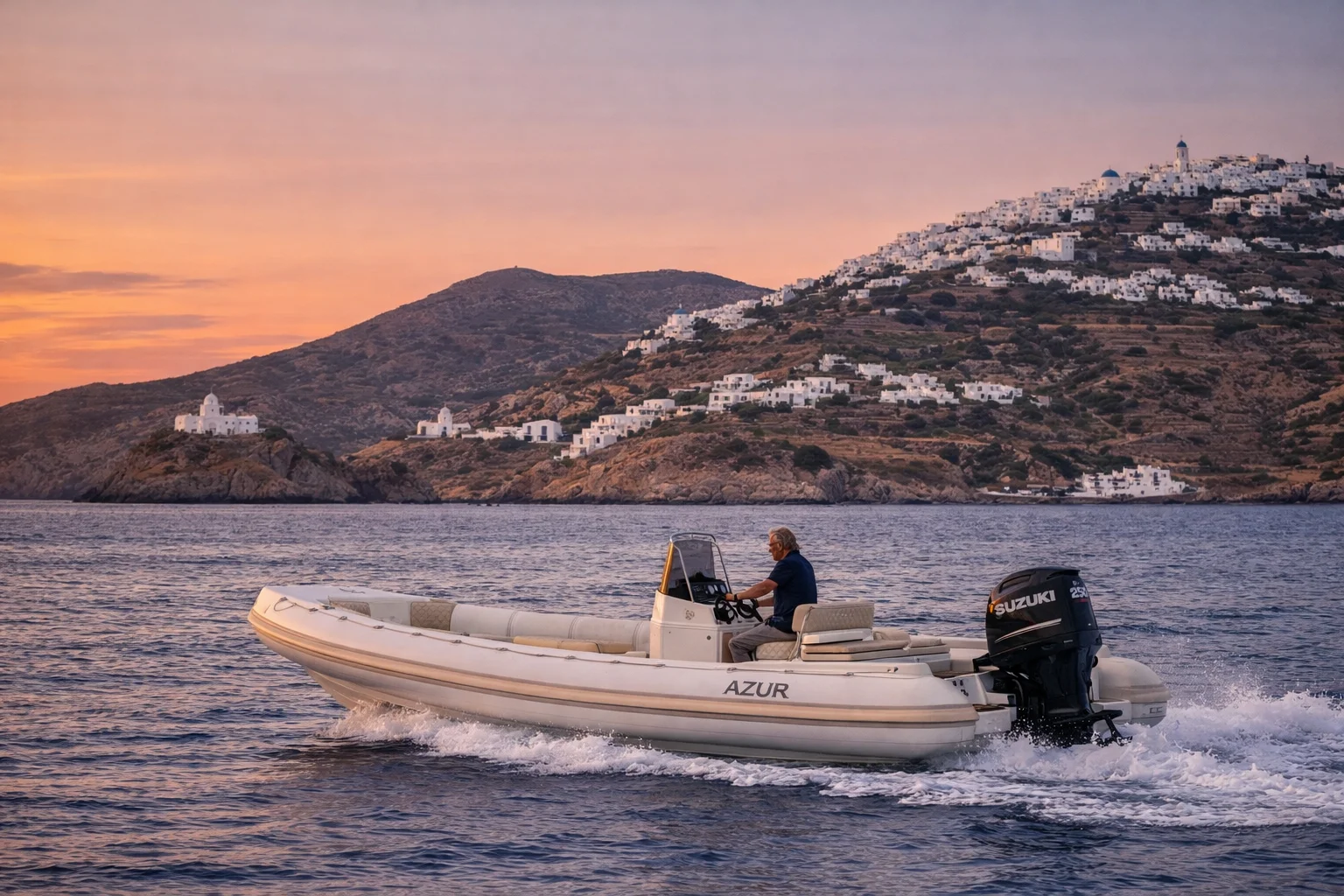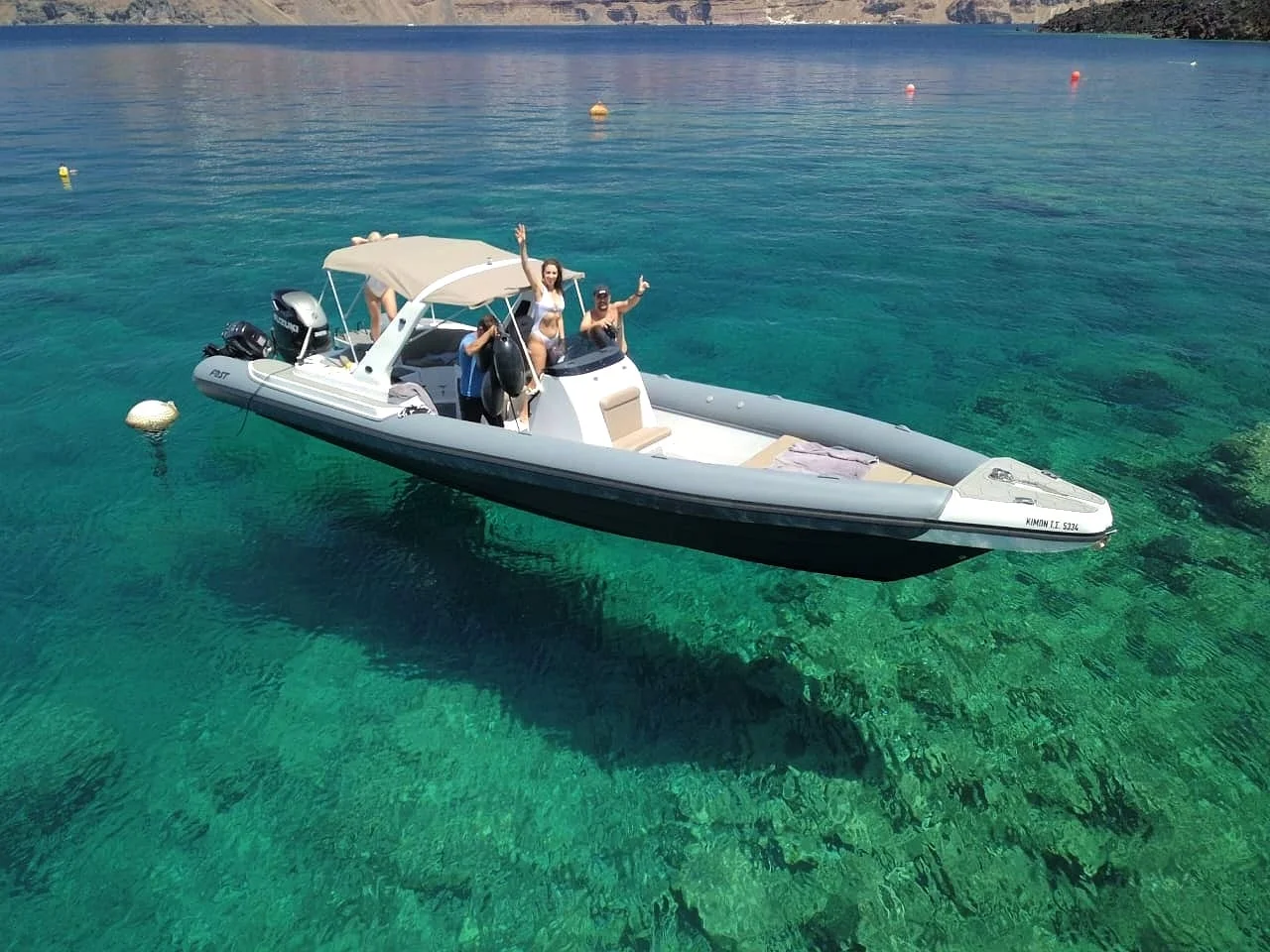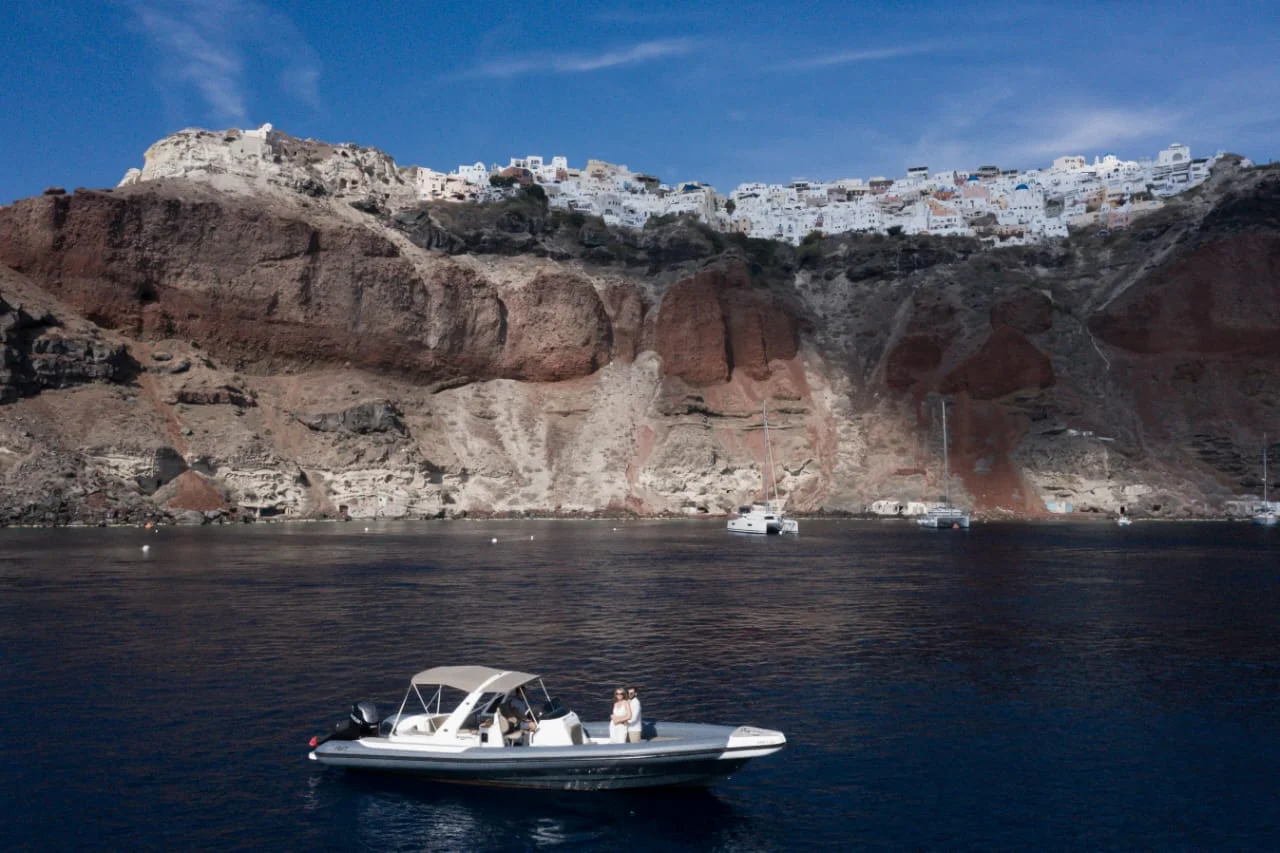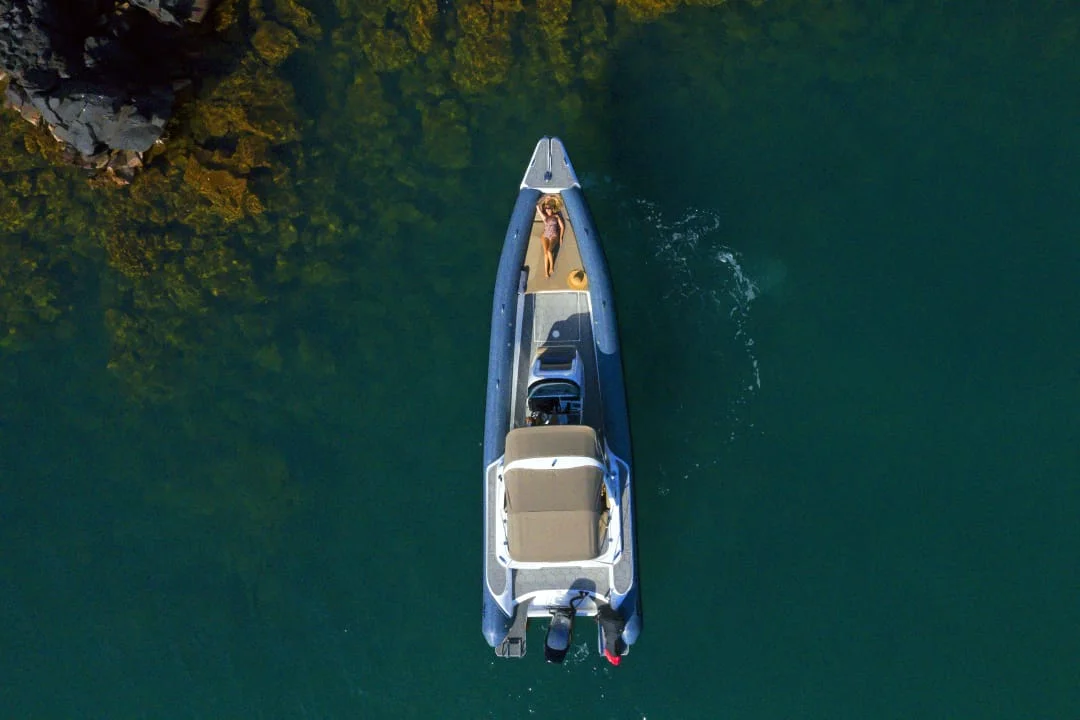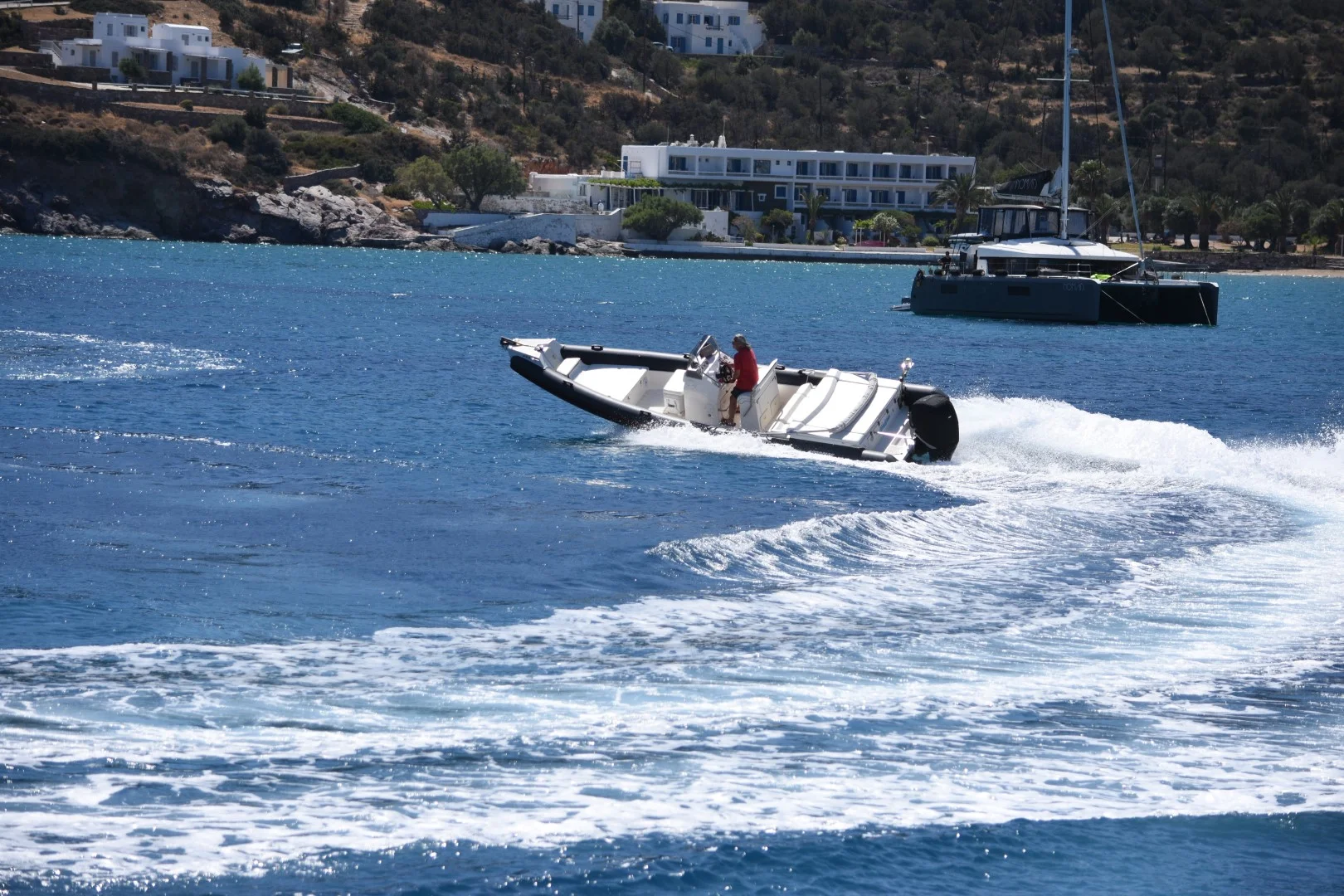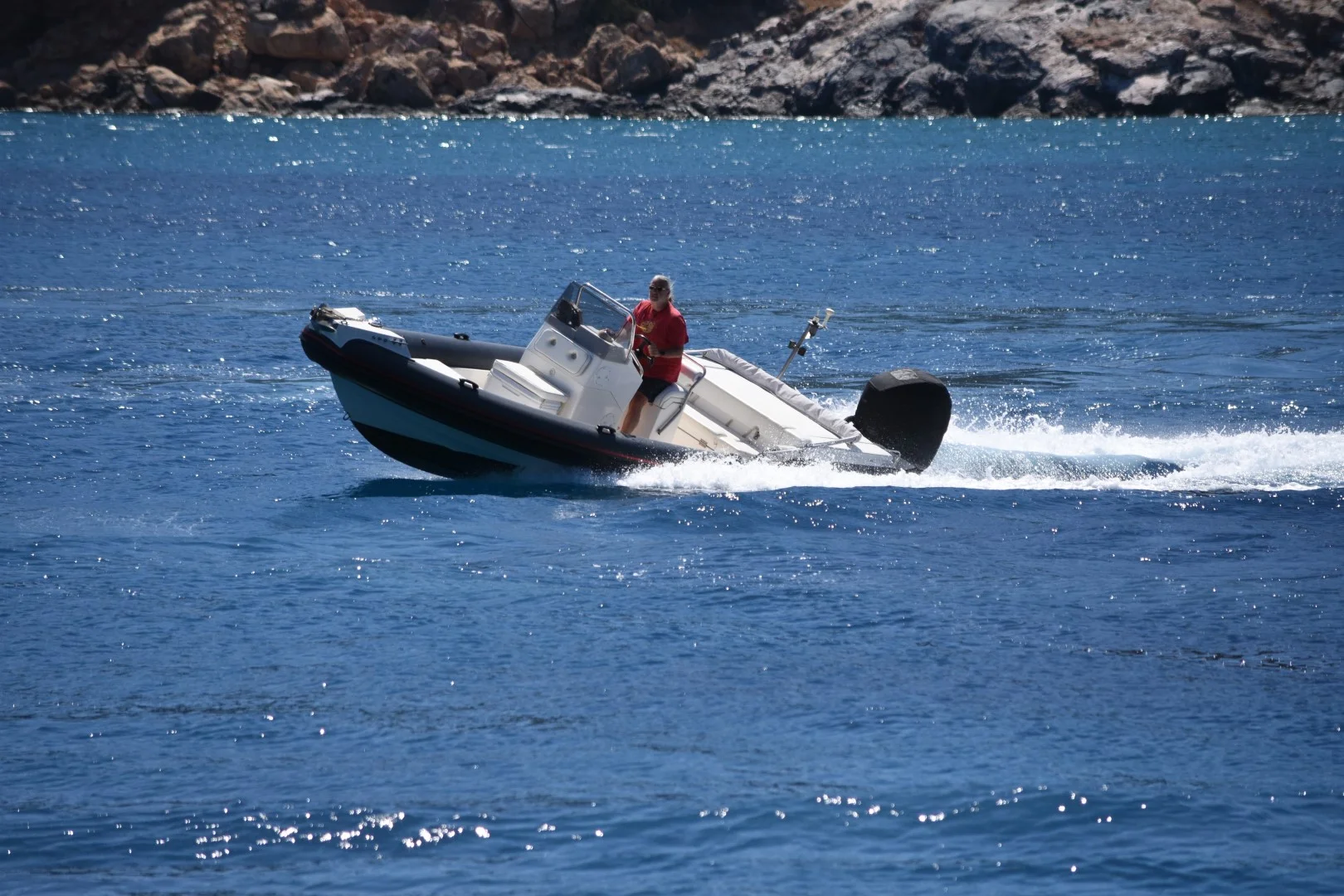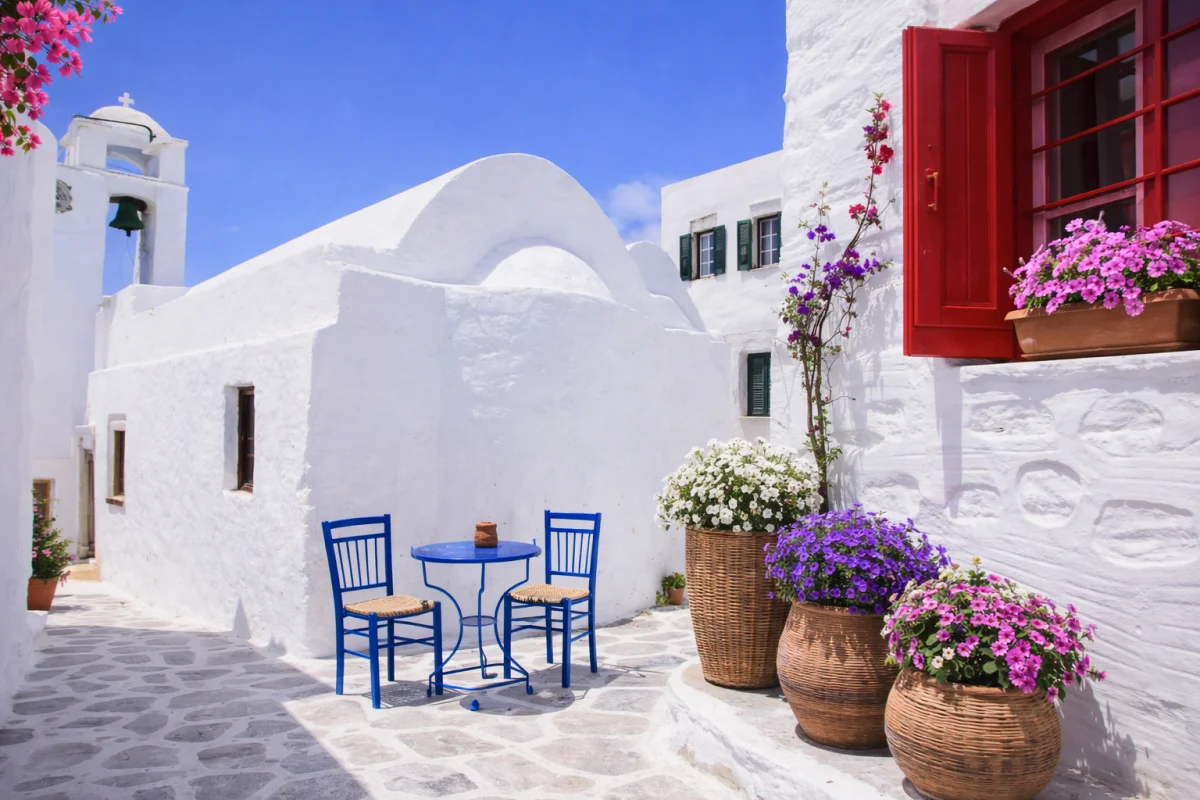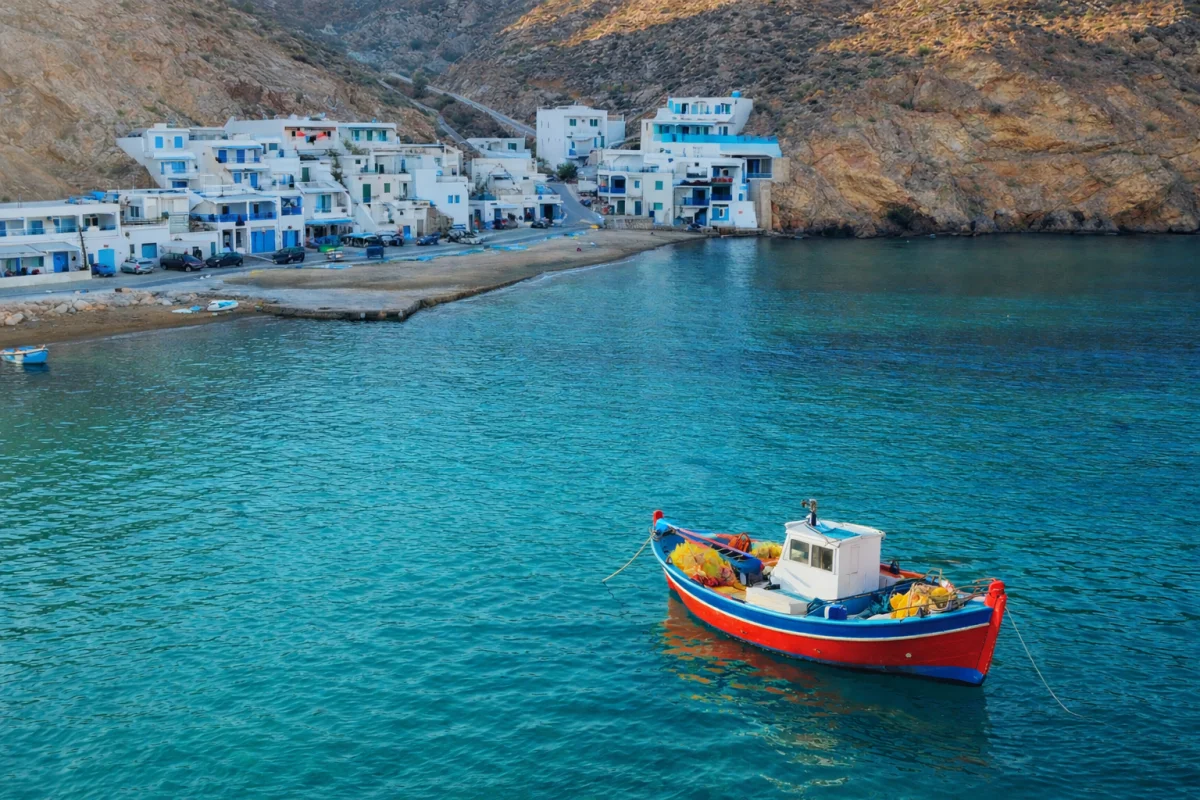
Koufonisia is a small group of islands in the Cyclades. It is known for its clear blue waters, pale sandy beaches and natural, easy-going way of life. It draws travellers who don't want to see a lot of sights but just want to relax. For room. This is where you can find beauty that doesn't shout; it waits for you to recognise it. The maps claim "Koufonisia" is one place, but it's really the narrative of two different people: Ano and Kato. They are siblings who live on opposite sides of a blue waterway. The wind, old stories and a life bound to the tides have all shaped them. They make an equilibrium that feels more like a deep breath than geography. The tiny streets make it easy to get lost amid the whitish houses. Their shutters have faded because of the long, warm memory of the sun. Bougainvillaea grows over the short walls. In the background, small cafés provide coffee, chilled wine and dishes of fresh seafood. It is the weight of history, of a life fashioned by the sea's constant movement and the slow pace of farming. We don't want to just give you dry facts about the geography and history; we want to show you how they shape the way this area feels, an experience that stays with you long after you unpack your luggage.
Koufonisia's Geography
They are small dots on a map, but they are big in spirit. Koufonisia is a small island on the southeastern side of the Cyclades. It is shielded by the larger islands of Naxos and Amorgos, but it is still very different from them. The islands are around 20 nautical miles from Naxos and 12 from Amorgos. They are along busy shipping routes, but they nevertheless feel like they are far away from the busier parts of the Cyclades. Ano and Kato Koufonisia are small, yet they have a lot of different types of scenery. They are easy to get to because they are close to main ferry routes, but their size and atmosphere make them feel private. A lot of people come here as part of an island-hopping trip, but many wish they had more time to spend here. The islands are part of the Naxos regional unit, but Koufonisia is its own place in terms of culture and feelings. The sea that surrounds it and the land that is under it shape it.
Where Land Meets Water
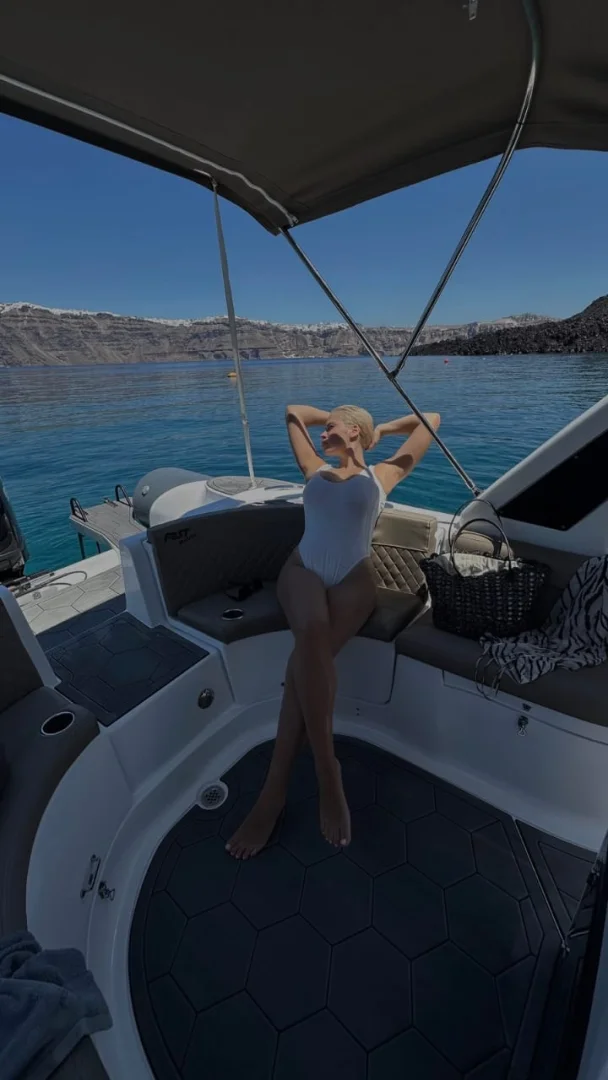
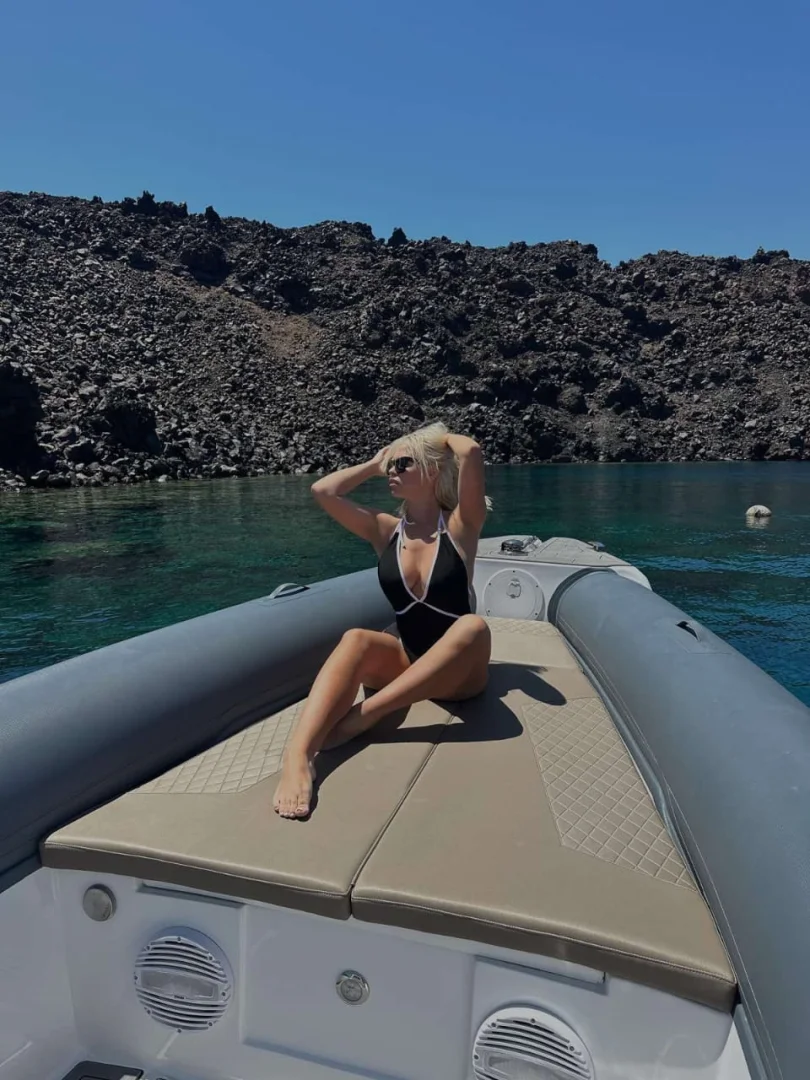
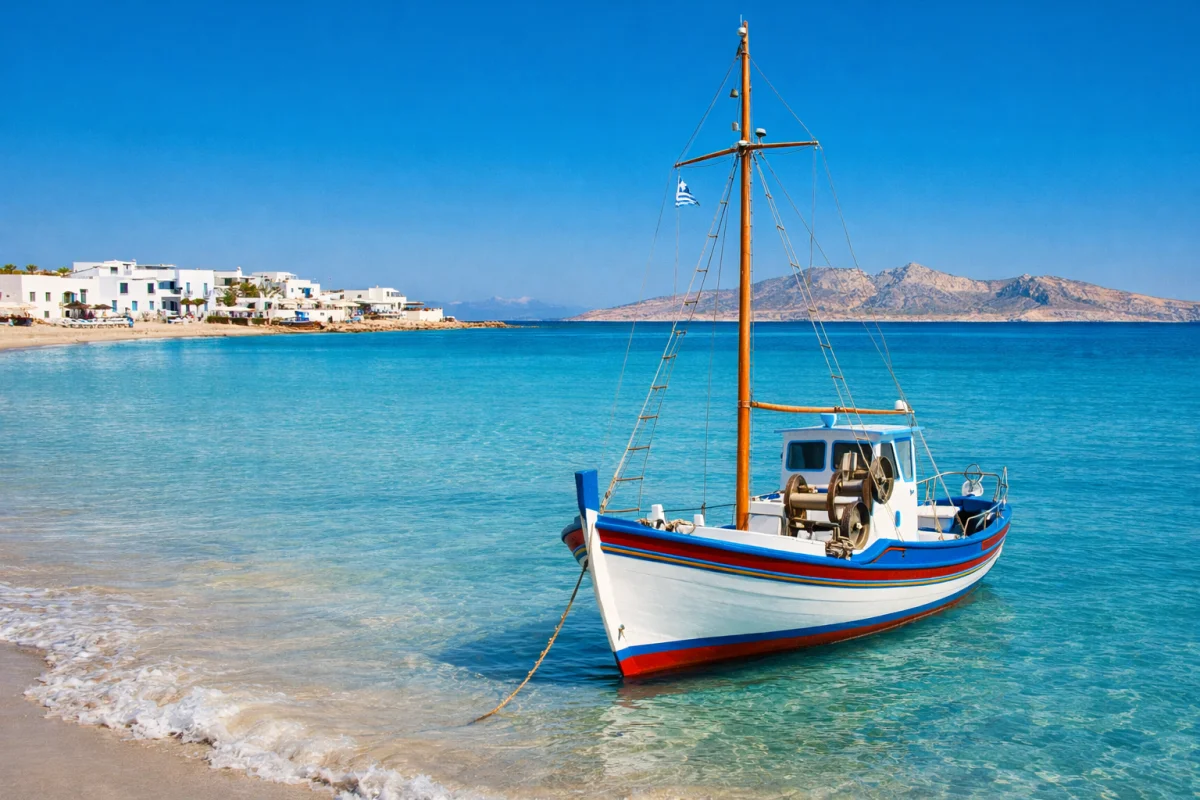
You can keep Koufonisia in your memory since it's little, yet its edges are full of surprises. The shoreline moves and bends, making sheltering areas and inlets that feel like they're all yours. The land is low and undulating, so the horizon is always wide open. There is nothing in the way of the light or the view. The meeting point between land and sea is a stark and magnificent pale stone against electric blue. The water here is so clear that it draws you in. You immediately learn that people here live half on land and half in the sea. You don't need a cause to swim or a boat to explore; you can just jump in the water and feel the island's pulse.
The Stones Tell Stories: Ancient Roots
Koufonisia is small, yet it remembers a lot. Archaeological evidence shows that people have lived on this rock since the Bronze Age. The island was a well-known sight for tired sailors and ambitious traders because it was located at an old maritime intersection. Many people have owned it throughout the years, from the ancient Greeks to the Ottoman monarchs. Each time it changed hands, it added a small thread to the tapestry of island life. The history here is silent; you can see it in the people who have lived through it and are still living there.
When the Sea Was Not Safe
It is hard to believe that this calm blue sea used to be a place of fear. During the Middle Ages, the concealed inlets were both safe havens and dangerous places where pirates could hide. The people who resided on the island had to keep an eye on the ocean at all times and to be alive, they had to stay hidden. The island breathed a sigh of relief when the fear of piracy faded in the 1800s. The focus changed to the hard, honest job of the farmer and fisherman. It was a simple, hard life where community wasn't simply a social idea; it was a way to stay alive.
Being honest and open
Koufonisia was able to hold a secret for a long time. This island kept its peace when other sections of Greece were overrun by tourists. When development finally came, it didn't come with bulldozers; it came with respect. The accommodations are small, the food is traditional and the pace is still sluggish. A place that welcomed the world without losing sight of who it was is a rare success story.
A Soft Start
For most of the 20th century, Koufonisia was a tranquil place, away from the hustle and bustle of the modern world. Slowly, guesthouses and tavernas opened. They were erected by local people to show respect for the area. Koufonisia feels like a place that has welcomed you in without losing its spirit.
Natural Highlights & Outdoor Life: Beaches That Are Unmatched
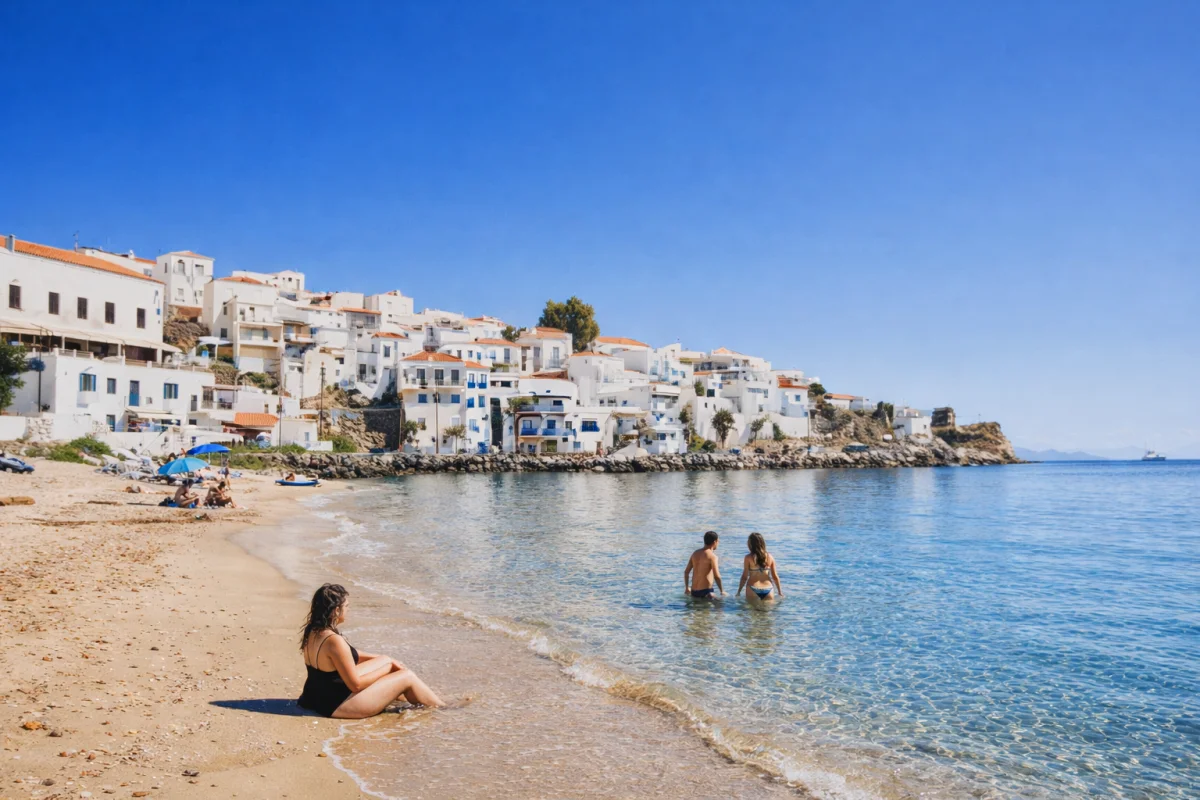
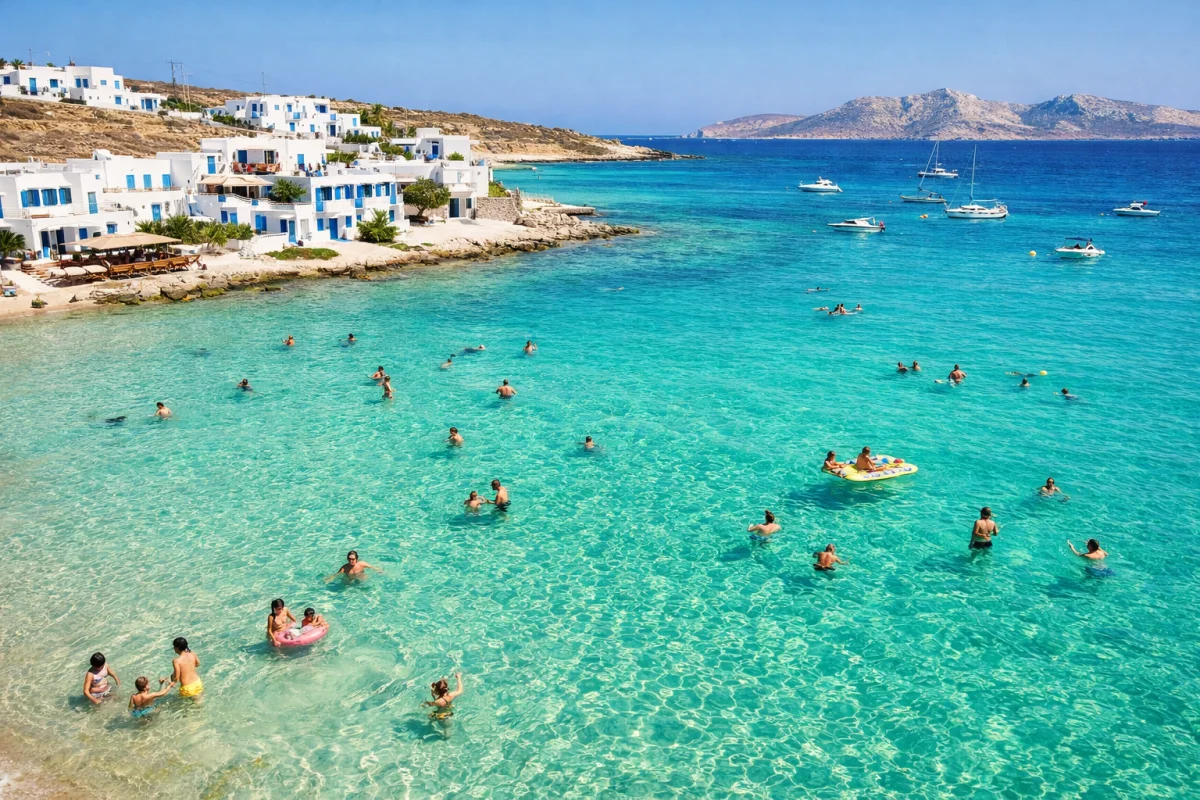
People frequently recall Koufonisia's beaches first and last. They include vast, open expanses of sand and small, protected coves surrounded by limestone and sea-worn rock. The long, smooth shoreline of Pisso Livadi Beach is perfect for swimming and spending hours in the sun, with boats floating peacefully offshore. Fanos Beach draws crowds; its shallow, warm waters and the shifting hues of the sea - from soft turquoise to a rich blue - are a constant draw. Memos Beach, on the other hand, offers a quieter, more secluded experience and the brief trek to get there feels like a small reward. You may walk to certain beaches, while others are only accessible by small boats or coastal pathways. Each one has a somewhat distinct feel, encouraging people to explore instead of doing the same thing over and over.
Paths and Scenery
The island of Koufonisia can be seen at a human pace on its walking routes. There are trails that go from beaches to chapels, open fields and low places with views of the sea. In the early morning, the light is soft and the air is silent. In the late afternoon, the air is warm and smells like thyme, salt and sun-warmed stone. These roads aren't meant to be fun. People have always walked them, which is why they are there. When you follow them, it feels less like sightseeing and more like being a part of the island's daily life.
A Marine Paradise
The waters of Koufonisia are calm and colourful below the surf. When you snorkel, you can see lots of fish and rocky seabeds. If swimmers are patient, they might see sea turtles skimming over the azure water. You can get to faraway coves and sea caves that were progressively carved out by wind and water on boat expeditions. The horizon feels wide out here and time seems less clear.
Culture and Daily Life: The Heartbeat of the Village
In Koufonisia, life happens in little, private moments. Whitewashed houses line tiny streets where laundry dries in the sun and cats occupy doorways that are in the shadow. People are talking at café tables. People in the neighbourhood say hello to each other by name. Tavernas serve fish that was just caught, simple local meals and ingredients that change with the seasons on the island. People eat slowly, share their food and often stay up late without realising how late it is.
Holidays and Traditions
Koufonisia has religious and local events all year long that bring the community together. These festivals aren't shows; they're traditions that people live by, based on faith, music, food and shared memories. People who come during these times are naturally welcomed, invited to watch and even asked to join in.
When to Go: Useful Travel Tips
The best time to visit Koufonisia is from late spring to early autumn. May and June are warm and tranquil and there are fewer people. July and August provide more energy and activity, as well as busier beaches. September brings back a calmer pace, with summer light still around and crowds that are less intense. The winter is quiet and thoughtful. A lot of companies close, boat schedules are curtailed and the island goes back to being itself.
How to Get There
Ferries link Koufonisia to Naxos, Paros, Amorgos and other Cycladic islands. The itineraries change with the seasons. Many tourists visit Koufonisia as part of a larger island trip, but those who stay longer will get more out of it.
Places to stay
There are still only a few types of accommodations, like boutique guesthouses, studios and family-run stays. A lot of them are close enough to beaches and village centres that you don't need a car. During busy months, it's important to book ahead.
Why Koufonisia Is Important
The sea makes the day here. The horizon seems both close and far away. Sunsets come softly, without any fanfare and feel quite personal. Koufonisia doesn't just leave you with memories; it also leaves you with a sense of peace, clarity and connection that lasts long after the trip is over.