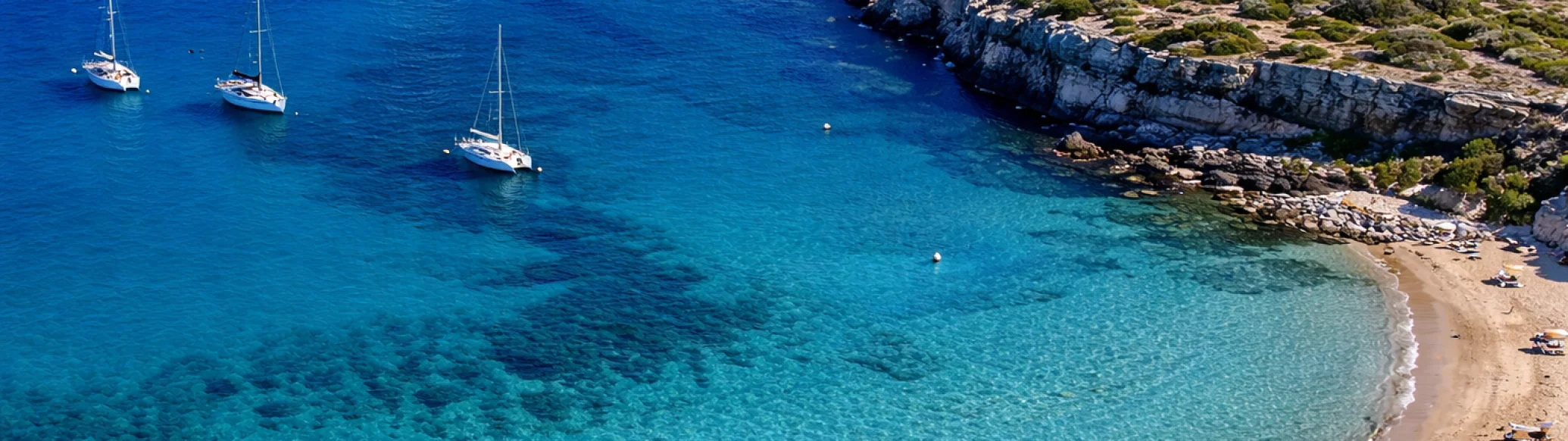
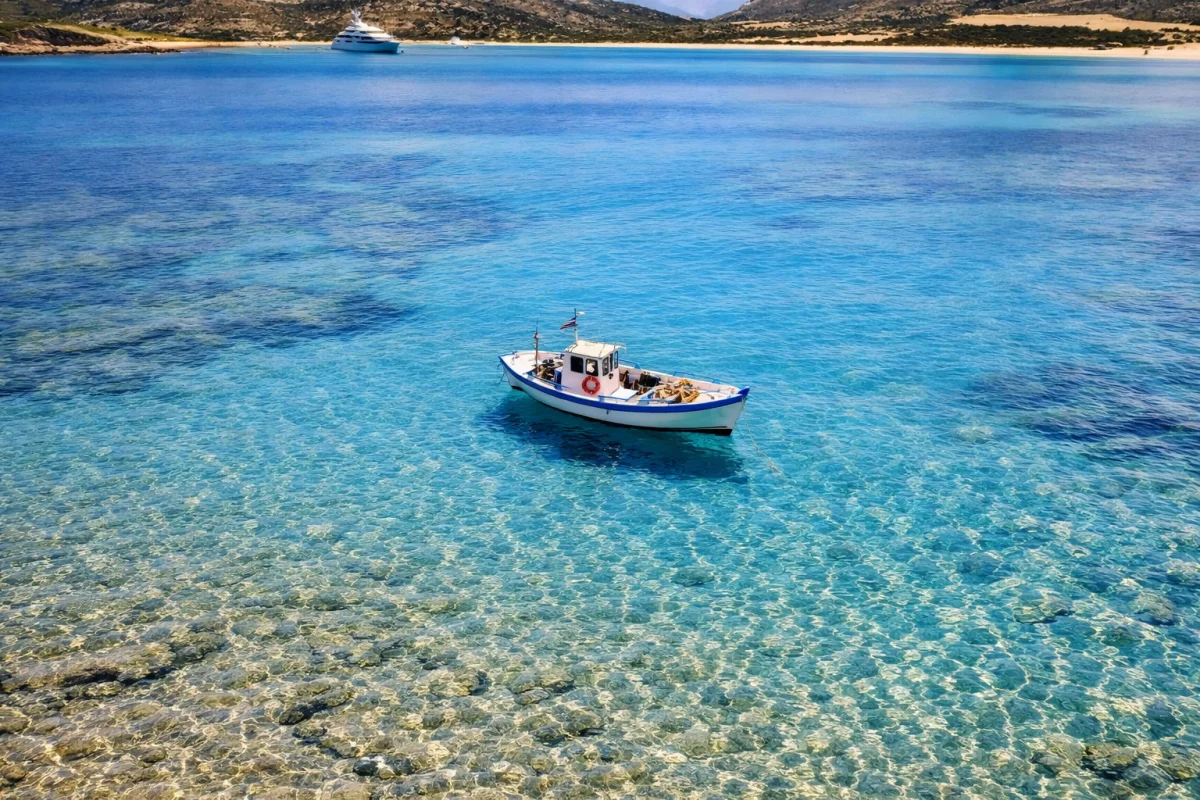
Despotiko is a small uninhabited island near Paros, though more precisely it lies just west of Antiparos and is usually visited from there or as part of a wider Paros boat trip. It is one of those places that feels quiet the moment you arrive. No traffic, no built-up tourist center, no pressure to do much. Just open land, clear water and a silence that still feels real.
Geography
Despotiko sits in the heart of the Cyclades, around 700 meters southwest of Antiparos. The strait between them is extremely shallow in places, which is one reason the area has long been important as a natural harbor and crossing point. The island is dry, bare and simple in the way many Cycladic landscapes are, but that simplicity is part of its beauty. It gives you sea, stone, wind and light without much standing in the way.
History And Culture
What makes Despotiko far more than just a pretty boat stop is its archaeology. Excavations have shown that it was home to a major sanctuary dedicated to Apollo, founded by the people of Paros in the middle of the 6th century BC. Scholars and official local sources describe it as one of the most important sanctuaries in the Aegean, with finds that show connections to mainland Greece, the eastern Mediterranean and beyond.
This gives the island a deeper emotional weight. You are not only looking at a quiet landscape. You are standing in a place that once had religious importance far beyond its size. That contrast is what stays with people. It is small and silent now, yet once it held something powerful enough to draw attention from across the sea. That last thought is an interpretation, but it is grounded in the scale and importance of the sanctuary described by archaeological sources.
What It Feels Like
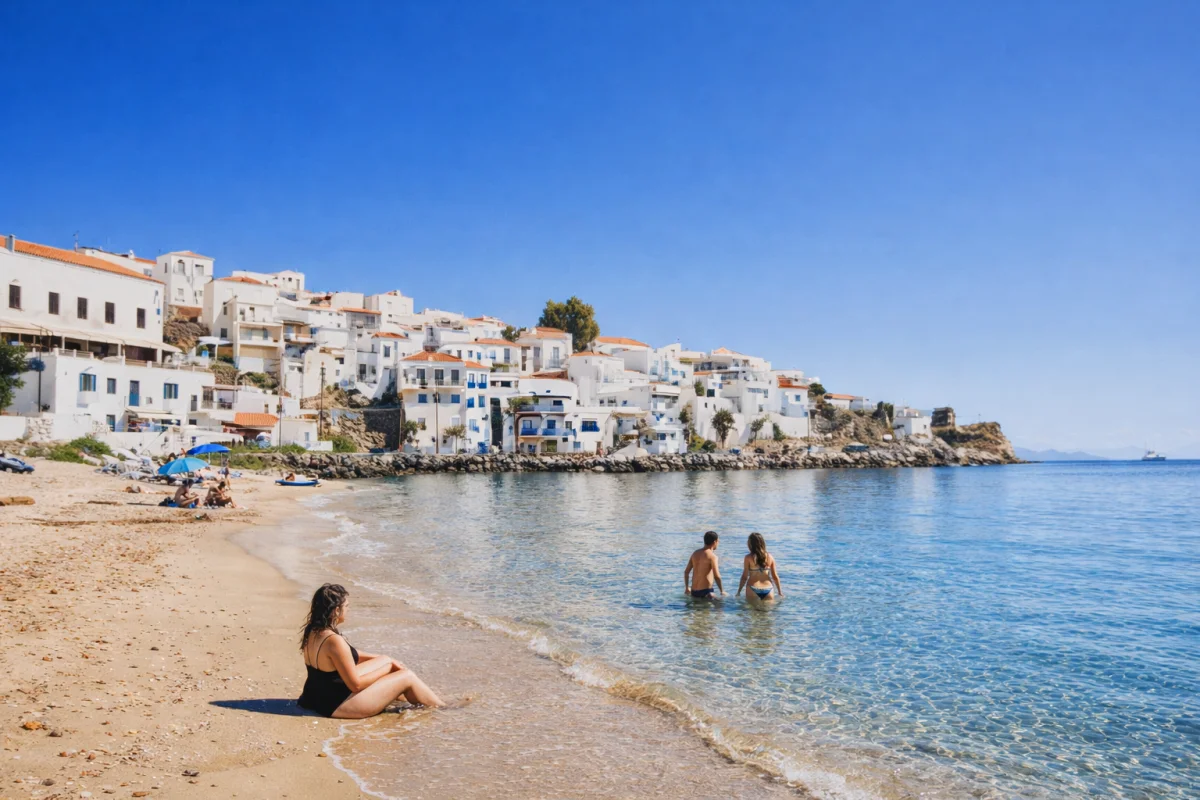
Despotiko feels open and clean. The beaches are quiet, the hills are bare and the archaeological remains sit inside a landscape that still feels mostly untouched. For many people, that is exactly the beauty of it. It feels like a place where history and nature are still sharing the same space without one overwhelming the other. This feeling is an inference from the island’s uninhabited character, protected harbor setting and active archaeological importance.
Best Time To Visit
The best time to visit Despotiko is usually from late spring to early autumn, when boat trips run regularly and sea conditions are friendlier. In practical terms, May through October is the normal window when most visitors experience the island from Paros or Antiparos. Summer brings the warmest swimming conditions, while June and September often feel a little softer and calmer. The last point is a reasonable travel inference based on the normal Cycladic season.
Getting Around
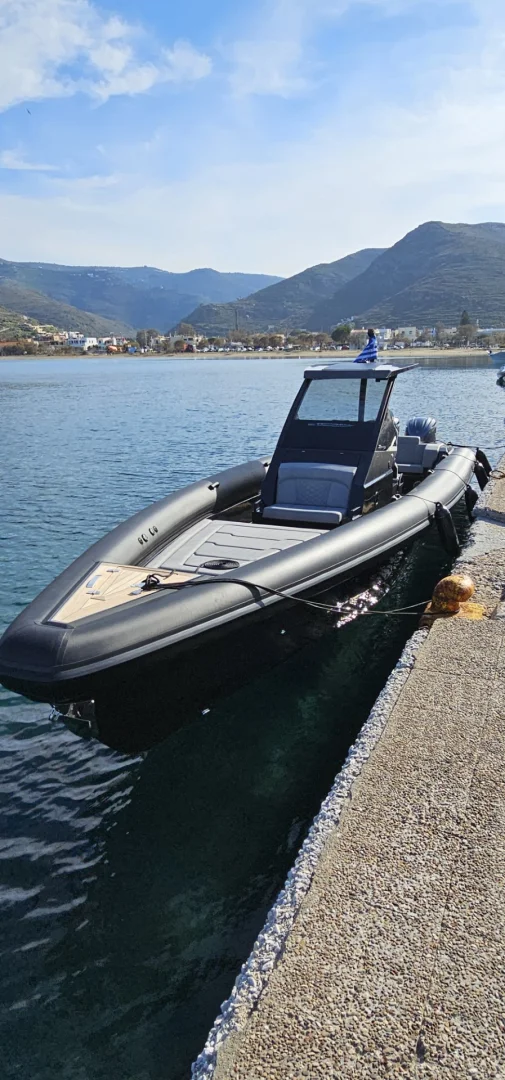
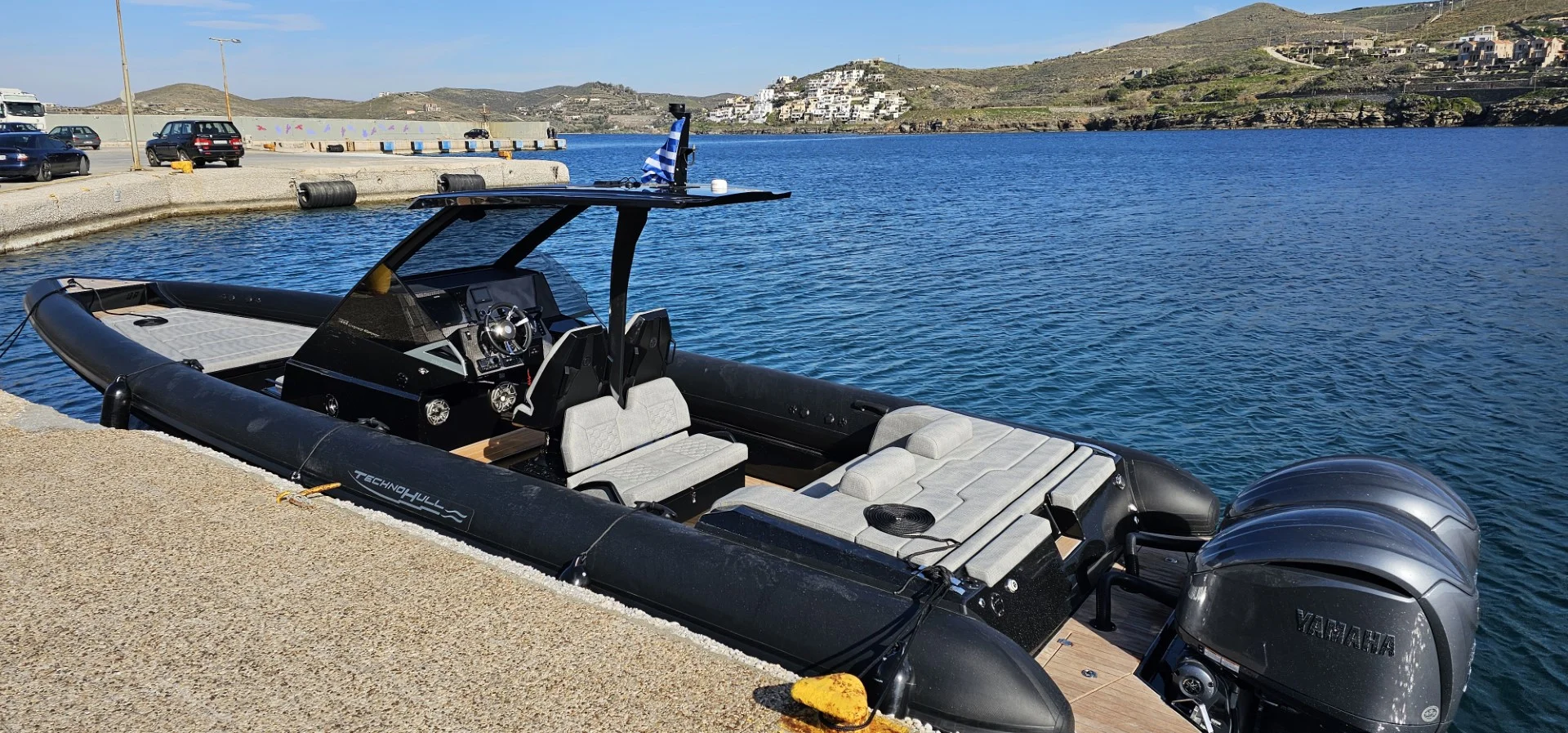
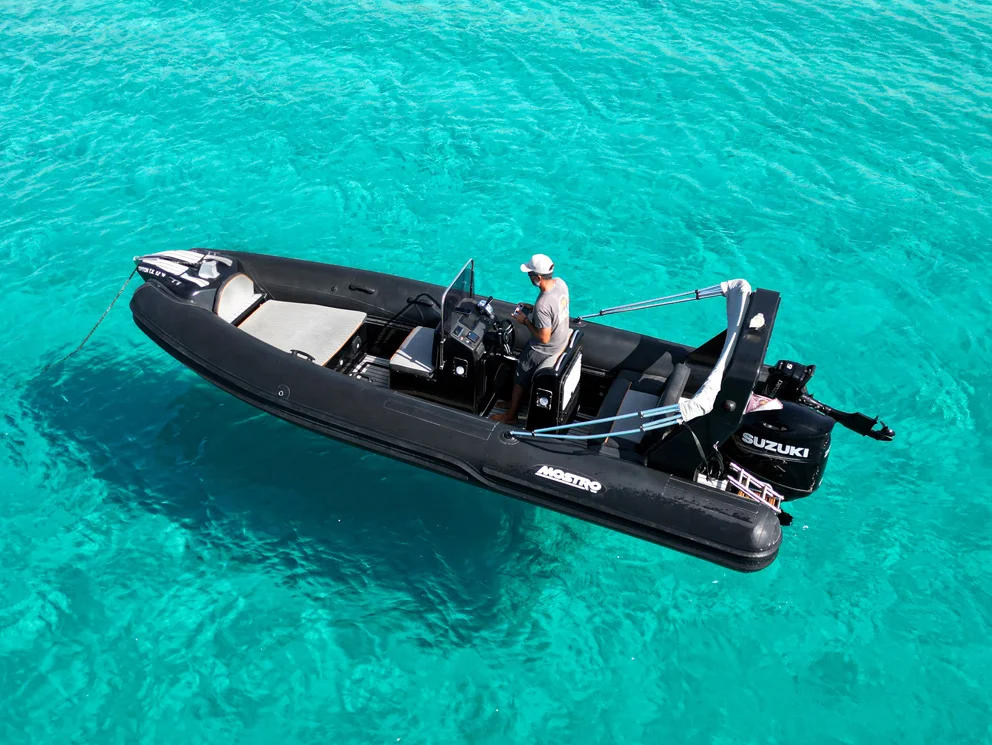
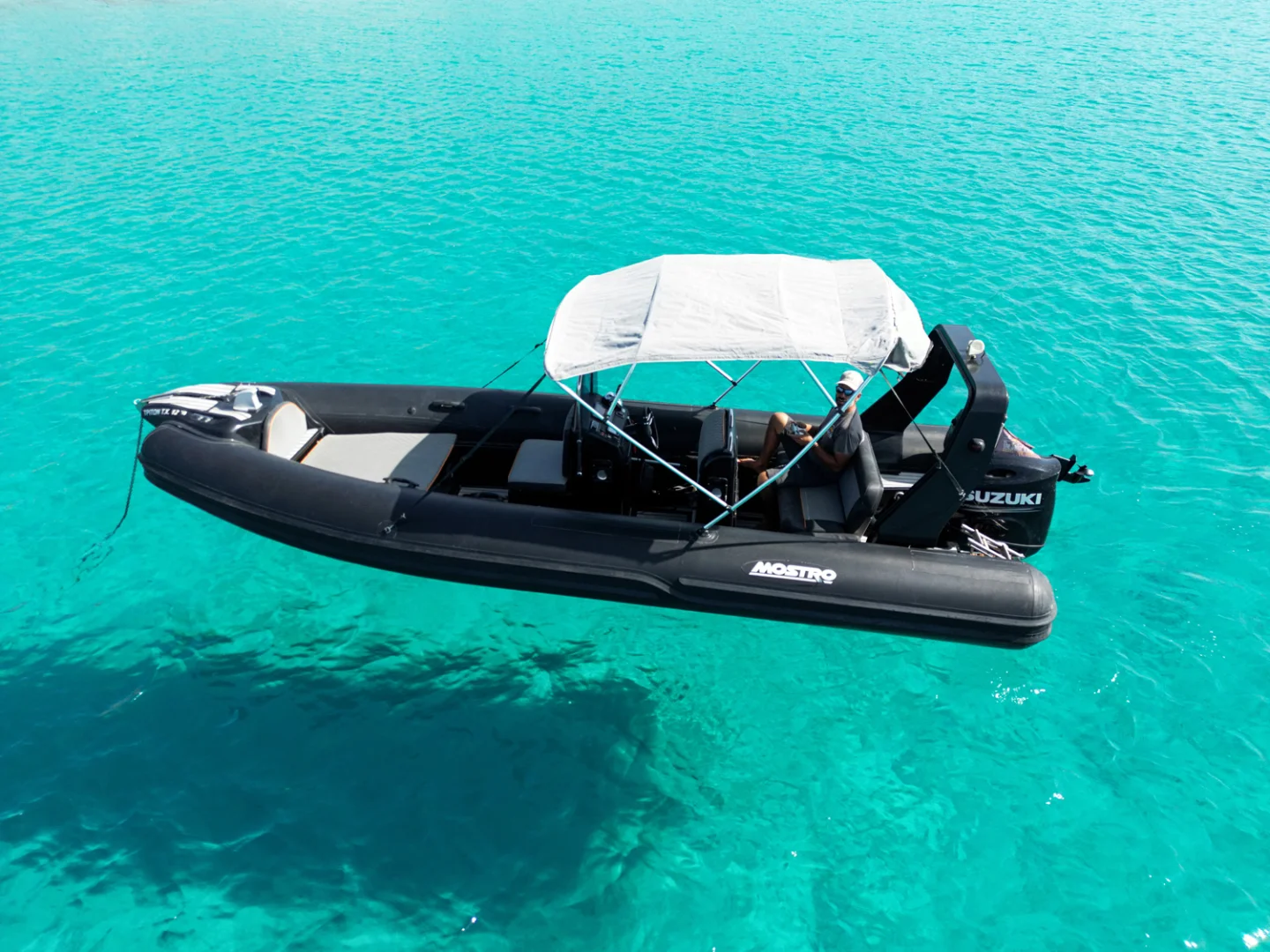
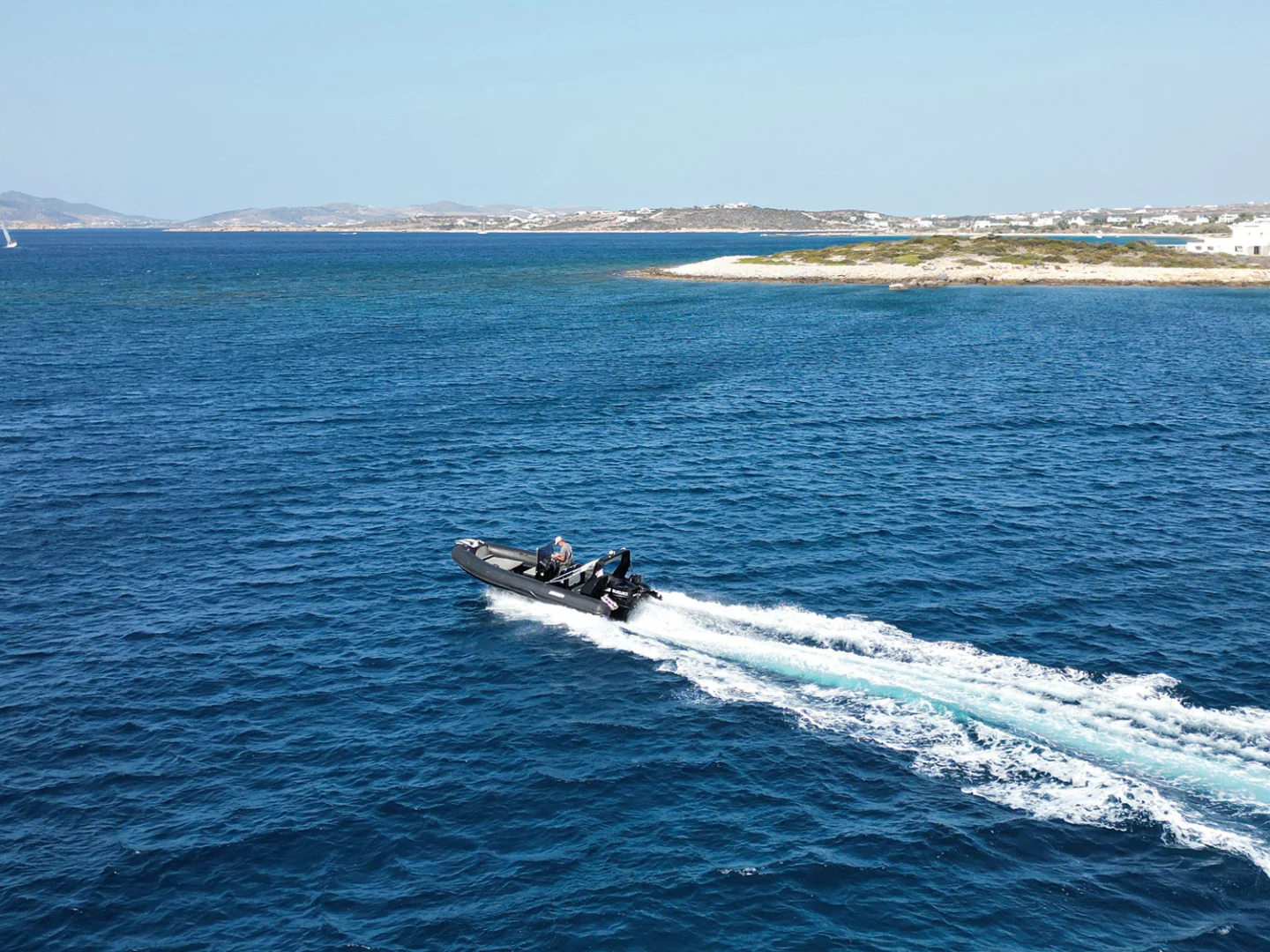
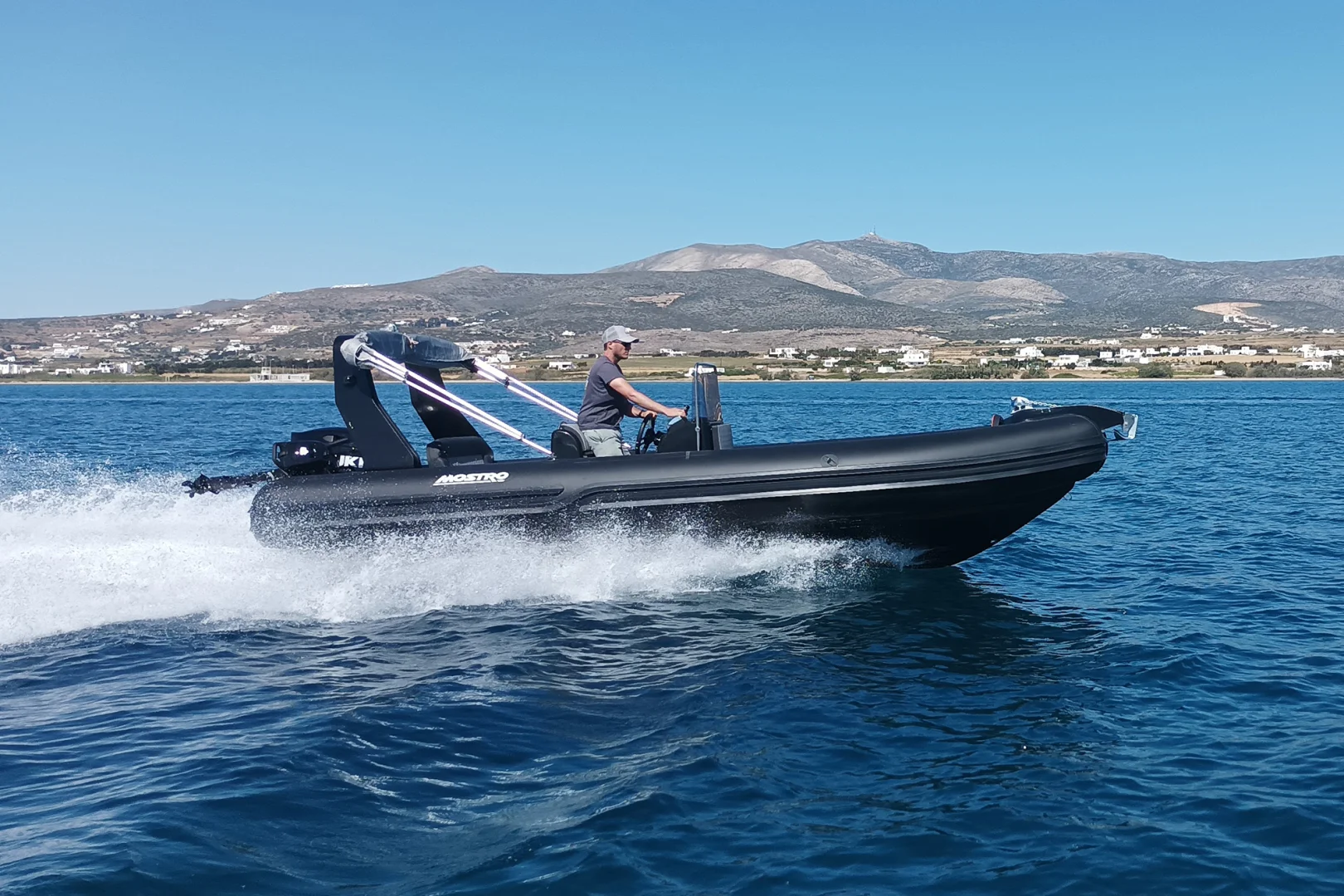
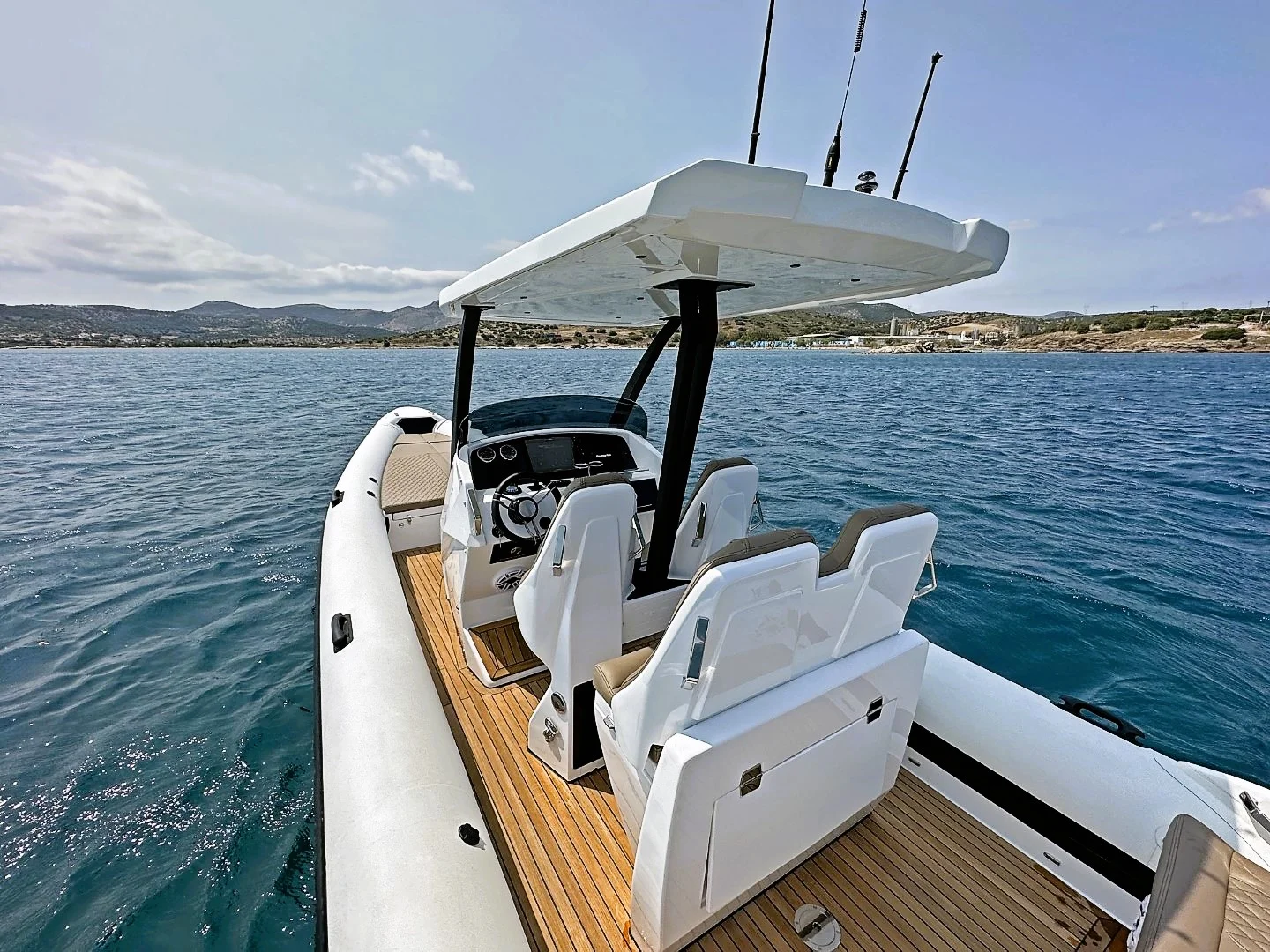
Despotiko is mainly reached by boat. Boats commonly leave from Antiparos village or from Agios Georgios in southern Antiparos and many wider cruises from Paros include it as part of the route. Once there, people usually experience it either from the shore and beaches or through the archaeological area at Mandra. It is not a place with everyday transport or built-up movement. You go there to slow down.
What Makes This Unique
What makes Despotiko unique is the mix of stillness and importance. Many small islands are beautiful. Many archaeological sites are important. Despotiko is both at once. It gives you bright Cycladic water, an uninhabited landscape and the remains of a sanctuary that once mattered deeply in the ancient Aegean. That combination gives the island a different kind of beauty. It is not only scenic. It has depth.