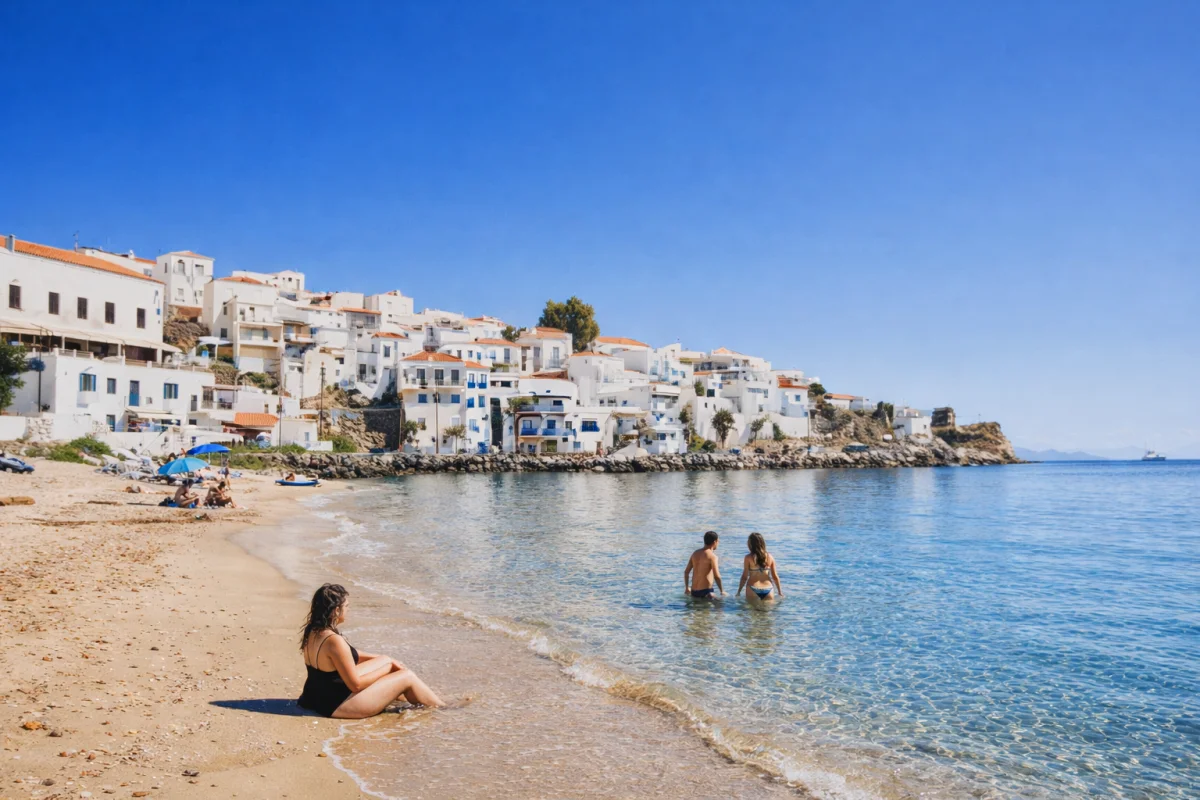
The waking soul of the pair is Ano Koufonisia. Ano is where life hums, while its sister island slumbers in the woods. People generally just call it "Koufonisia", but if you know it, you realise it's a real community. A place where the connection to the sea is more than just a hobby; it's a heartbeat. This island has beautiful natural scenery and a deep cultural warmth. In Ano Koufonisia, you can get lost in the twisting lanes of the Chora, float in water that feels like silk or share a table with strangers who become friends by dessert. These are all moments that don't simply happen around you; they happen to you.
Geography
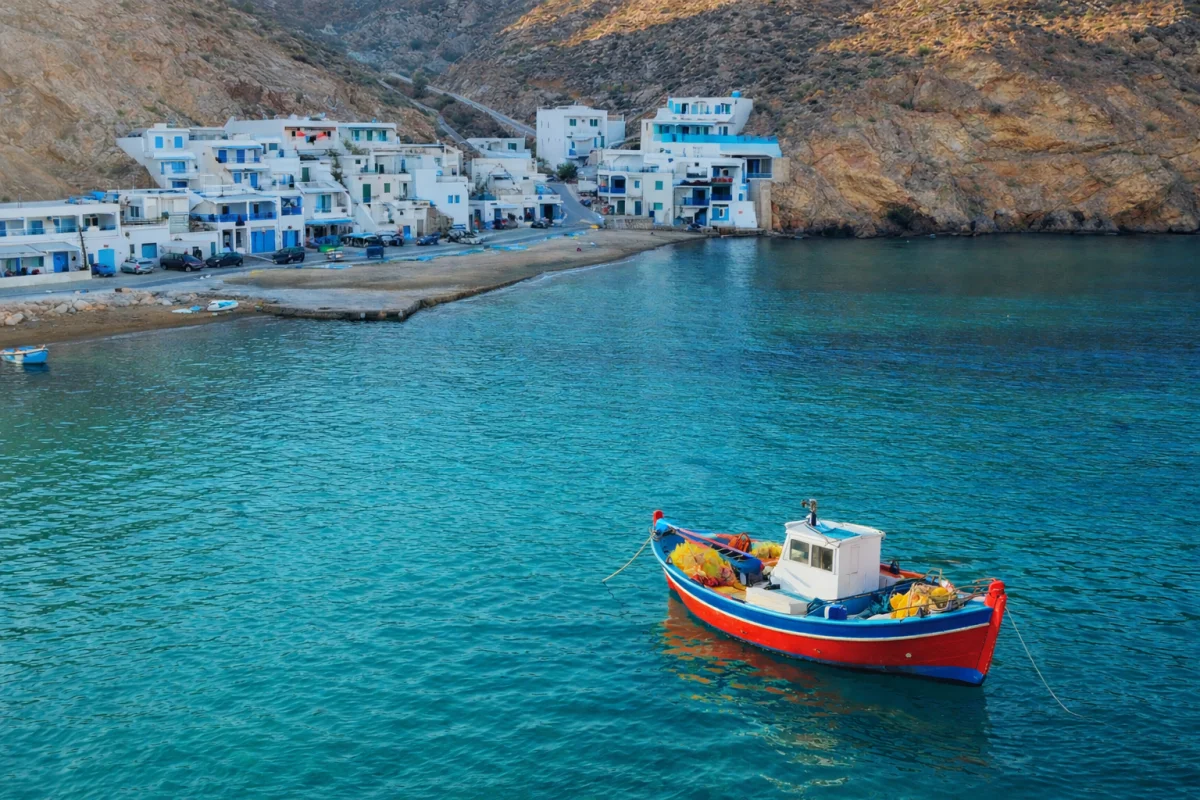
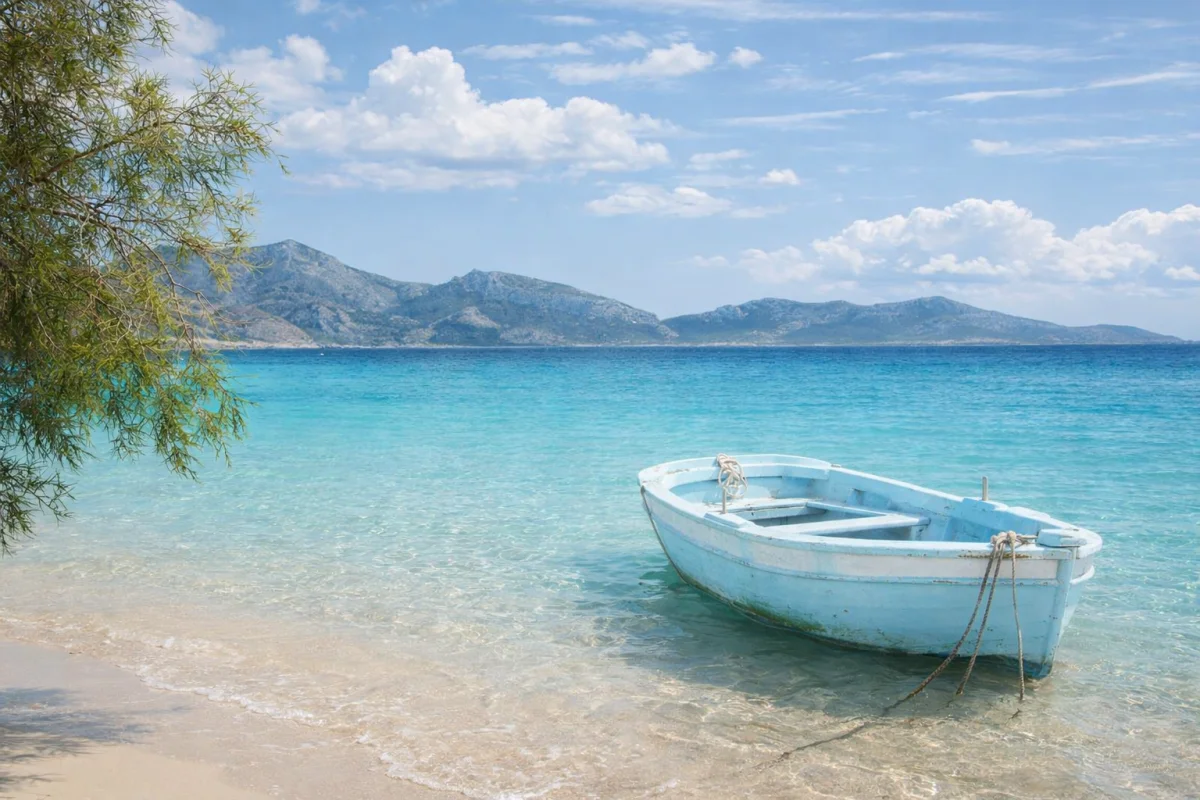
Ano Koufonisia is a small island in the southeastern Cyclades, between the big islands of Naxos and Amorgos. You can walk the whole thing without rushing, but it feels huge. The land here isn't very big. The hills of Ano Koufonisia are low and rolling, unlike the dramatic, tall peaks of other islands that obstruct the sun. They bow down to the water so that the blue horizon is always with you. The island's true language is its shoreline, which is full of secluded coves and wide bays that seem like they were made just for you.
A History of Strength
The soil and salt here tell the narrative of the past.People have walked these pathways since the Bronze Age. The island has long been a stopover in the Aegean, where seafarers could relax and get fresh water. For hundreds of years, these bays' beauty was a problem. Pirates sailed these waters and the people of the island always kept an eye on the horizon. The local mythology still has legends from those times of dread, survival and sheltering under the rocks. The island slept throughout most of the 20th century. It stayed simple and independent, unaffected by the noise of the outer world. When travellers finally found it, they didn't bring noise and tall buildings; they offered thanks. The island has developed since then, yet it hasn't lost its spirit. It is still a place for people.
The Water and the Wild: Nature You Can Touch
The sea here doesn't just sit adjacent to the land; it interacts with it. Each beach has its own personality. Piso Aliki is the soft, peaceful and sandy friend. Fanos is the main attraction, where the blue sea turns electric after nightfall. Chochlaki is the calm introvert, a rocky place where people can go to be alone. Walking paths go through wild thyme and olive trees, leading you along the cliffs beside the sea. Walking here at sunrise is a spiritual exercise because you can see the light reclaim the lake from the dark. To swim in the sea is like flying. It's amazing how clear the water is. Snorkelling isn't about the gear; it's about going to a different place where time goes more slowly.
The Art of Slowing Down in Village Life
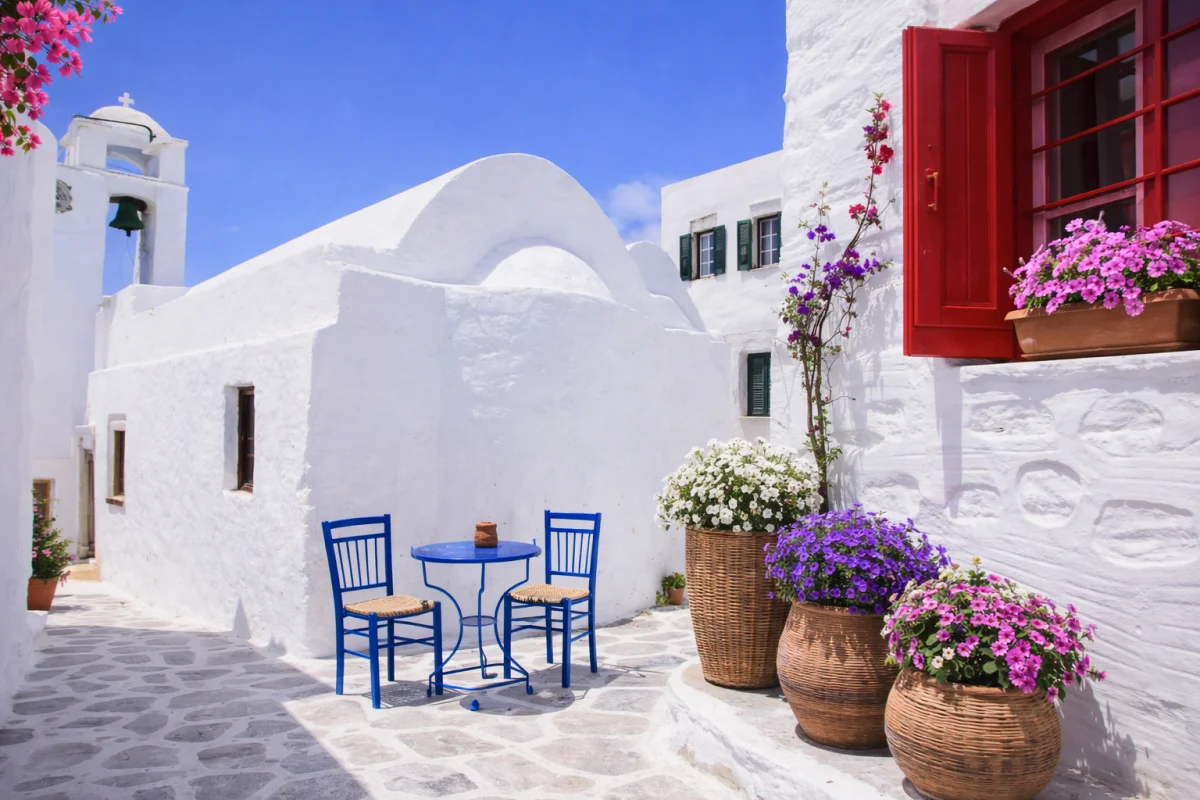
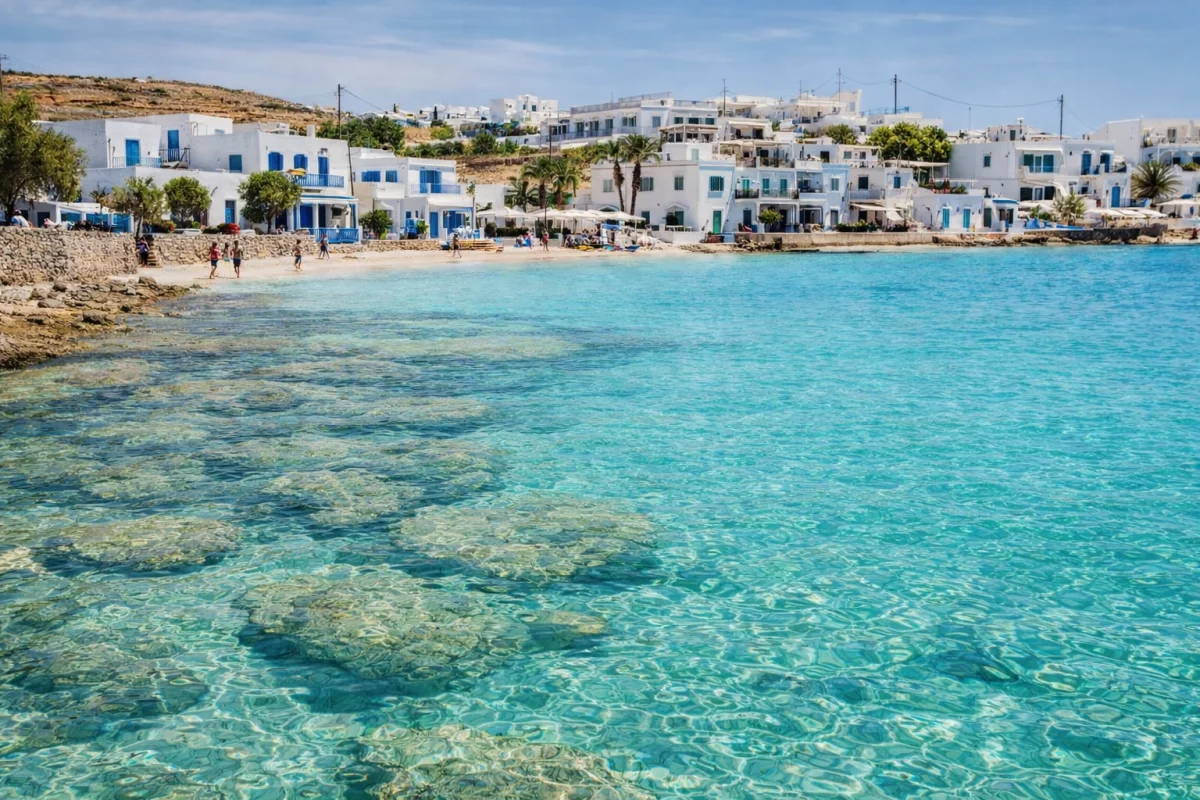
The Chora (main settlement) is like the island's living room. There are white houses with blue trim close together, making a maze of narrow lanes where bougainvillaea flows over the walls and cats snooze in the sun, without caring that you're there. There is no rush hour in the villages. We count the number of coffee cups and sunsets we see. You stop at a bakery for fresh bread, look around a little store for something handmade and then you let the afternoon pass. You taste the love in the food here. In the tavernas, the fish goes straight from the boat to the grill. Dinner is a boisterous, cheerful time with ouzo, sharing plates and laughter that can be heard in the wind. If you're lucky enough to be here during a festival, you'll realise that "community" isn't just a word; it's a dance, a song and a meal with other people.
Useful Tips for Travellers
When to Arrive:
The island is at its best from May to September, but the shoulder months are quieter and more peaceful.
Leave the car:
This is an island you can stroll on. The paths are gorgeous and the distances are short. A bike or a local boat is all you need to get farther.
Where to Sleep:
The places to stay here are tiny and cosy, such as guesthouses and family-run rooms. You're not checking into a place; you're being welcomed into a home.
Why It Stays With You
Ano Koufonisia is a call to get back to the basics. It tells you to turn off your phone, stare at the ocean and recall what it feels like to be really there. It is a safe place with salt, sun and simple happiness.