Kato Koufonisia is easy to miss. Most people hear about it only because it sits next to Ano Koufonisia. It’s smaller, quieter and far less developed. Some treat it as a short stop. Others never go at all. But those who do step onto it tend to remember it in a different way than they expected. There isn’t much happening here. No village noise, no steady movement, no sense that anything is waiting for you. The island feels open and exposed, shaped mostly by wind and water. You hear the sea clearly. You notice how the light changes as the day moves on. Time feels less organised. Kato Koufonisia isn’t trying to be charming. It doesn’t perform. It just sits there, exactly as it is.
The Island Itself
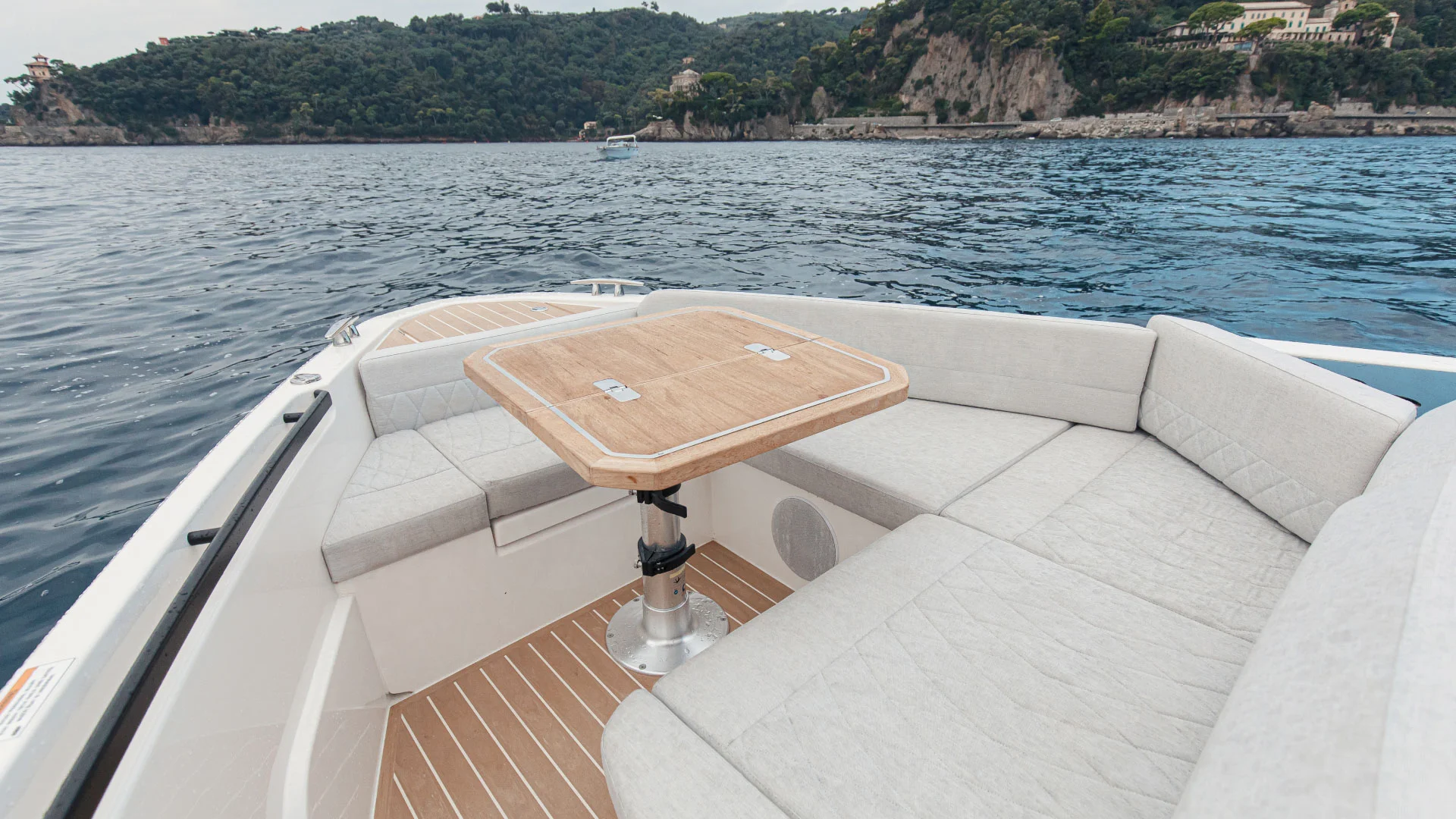
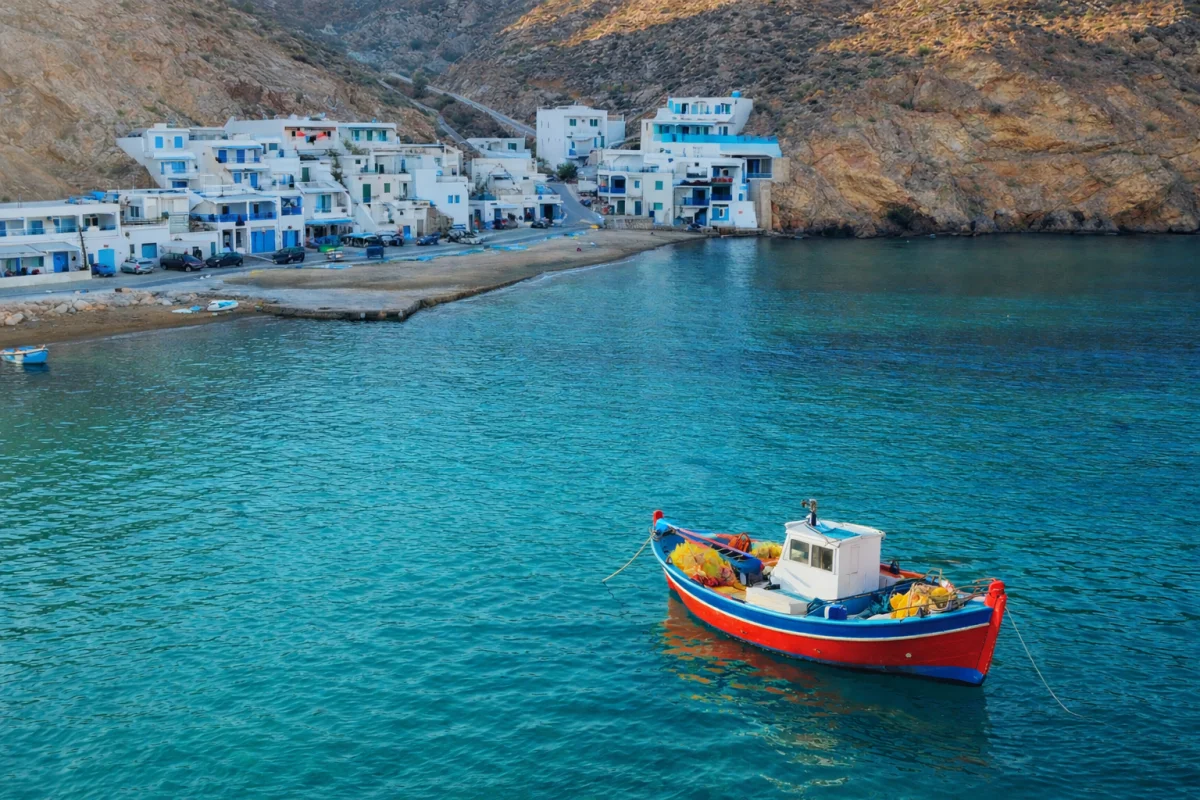
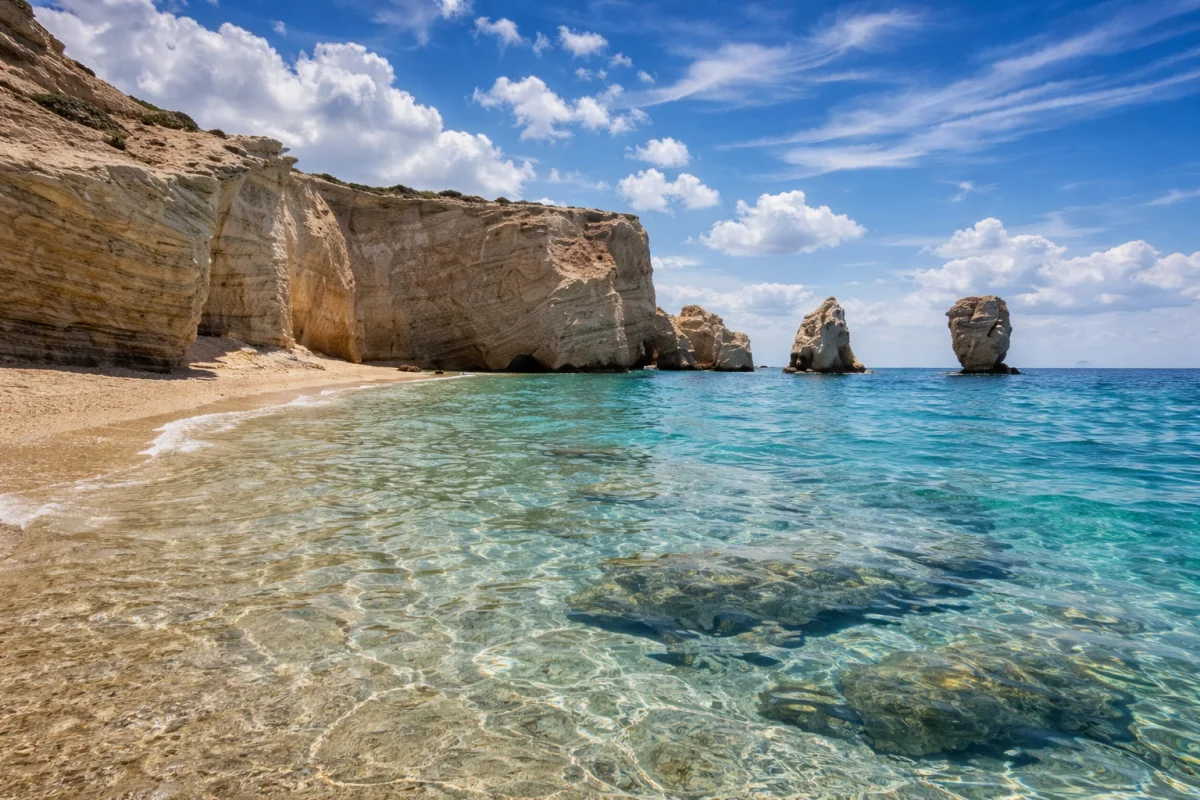
Kato Koufonisia lies just south of Ano Koufonisia. The boat ride is short, barely enough time to register the crossing, but the difference is immediate once you arrive. Everything feels more spread out. Quieter. Less touched. The land is low and gentle. No dramatic rises, no sharp edges. The coastline bends naturally, forming long sandy stretches and quieter rocky sections in between. Nothing feels planned. The island looks the way it does because it always has. The sea does most of the talking here. Near the shore, the water is pale and clear, almost transparent. Further out, it deepens slowly into darker blues. On calm days, you can see straight down, even when you’re well away from land.
Getting Around
You will not find villages or real streets here. A few buildings scattered sporadically. A few goats wander freely. Footpaths come and go, shaped by repetition. You don’t rush on this island. There’s nowhere to be and nothing that needs doing. Because it’s so close to Ano Koufonisia, people often come for a few hours. Even then, the space absorbs them easily. It never feels busy.
A History That Left Few Marks
People passed through these waters long before tourism existed. That much is clear, but Kato Koufonisia was never a centre of life. It didn’t need to be. It was used when necessary, for grazing, fishing, shelter and left alone when it wasn’t. No reason to build more than needed. No reason to stay longer than required. That pattern never really changed. While other places grew and adapted, Kato Koufonisia remained practical and quiet. It didn’t fall behind. It simply didn’t move in the same direction. That’s why it feels the way it does now.
The Beaches
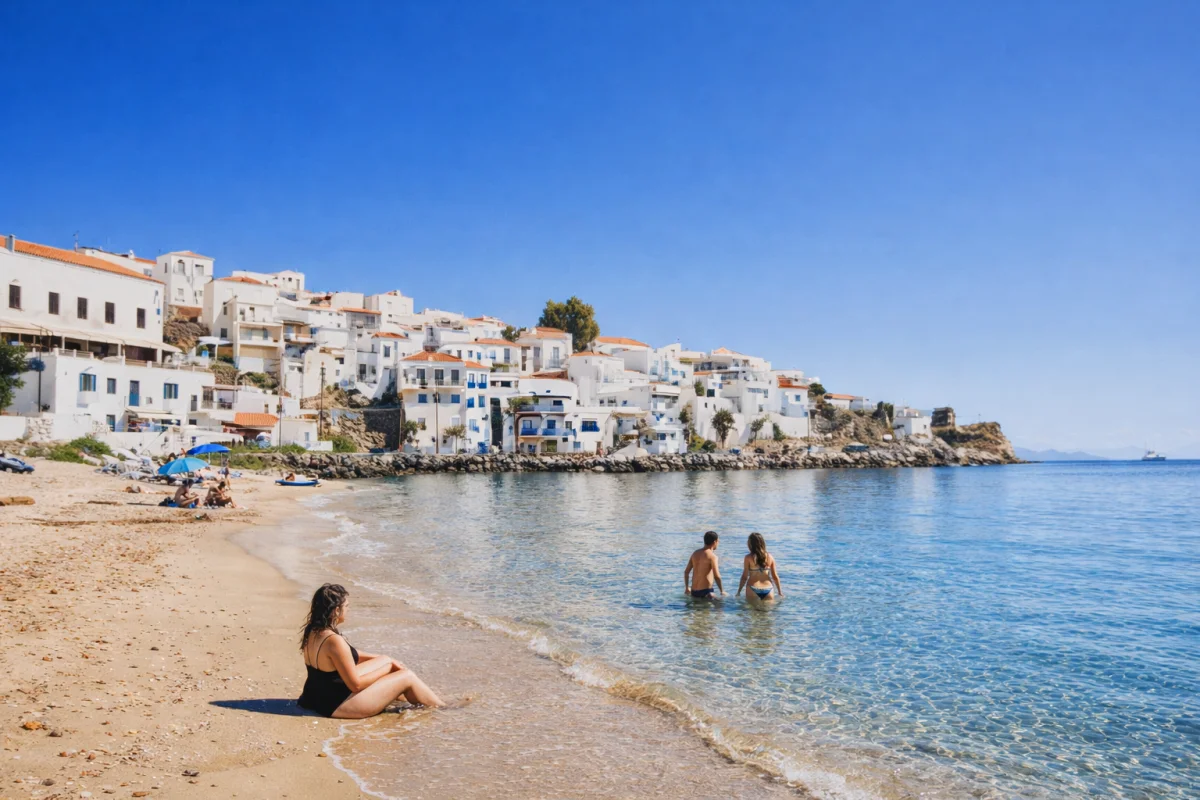
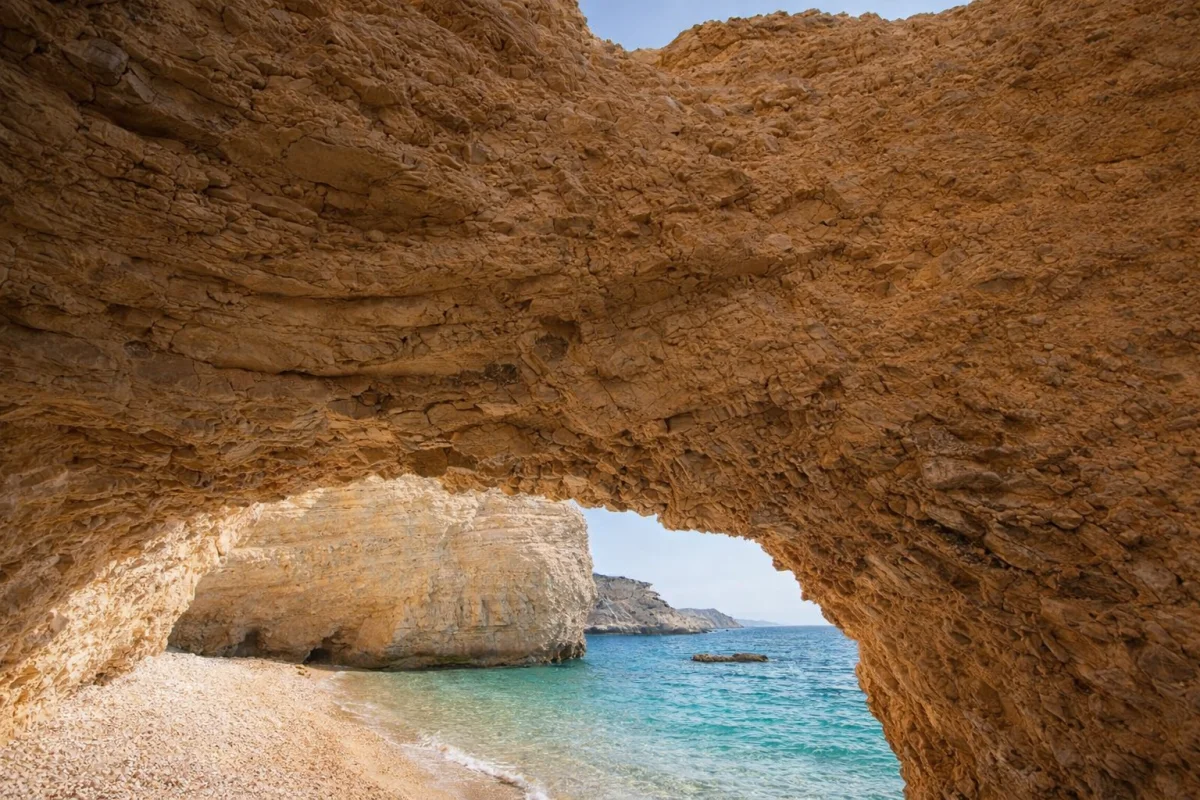
Pori Beach is wide and open, with soft sand and shallow water that stays calm most days. It’s the kind of place where you swim without measuring distance and sit without thinking about how long you’ve been there. Elsewhere, smaller coves appear along the coast. Some are reached by short walks, others by small boats. They feel private without trying to be. The water is clear enough to watch your feet disappear as you step in. Sunrise and sunset happen quietly. No crowd gathers. The colours change slowly and before you realise it, the light is gone.
Walking the Island
The interior is crossed by simple paths. No signs. No names. Just routes people have walked before. In spring and early summer, the air smells faintly of herbs and dry grass. The ground holds warmth. From small rises in the land, the sea stretches out in every direction, with nearby islands sitting quietly on the horizon. Walking here feels different. There’s no objective. You stop when you want to. You turn around when it feels right.
In the Water
Swimming around Kato Koufonisia is amazing. The water is calm and clear. Fish swim in and out of the rocks and the sun beams its light into the water. The shoreline slopes gently, so you ease into deeper water without noticing when it happens. Nothing feels demanding. You float. You move. You stop.
Daily Life,
There’s no centre to the island. No square. No routine. Life shows itself in small moments, someone repairing nets, goats resting in the shade, a small seasonal café opening when the weather and the day feel right. Most visitors leave in the afternoon. Boats come, then go. The island empties again. By evening, it feels almost untouched.
A Few Tips
Summer is warm and easy, with long days and calm seas. Spring and early autumn are softer and quieter. Winter is very still, with little movement at all. You reach Kato Koufonisia by boat from Ano Koufonisia. The trip is short. Easy. Bring what you need. Water. Sun protection. Shoes you don’t mind walking in. There isn’t much else to rely on.
Why It Lingers
Kato Koufonisia stays with you later, when you realise how quiet you felt there. How little you needed. How easy it was to slow down without trying.