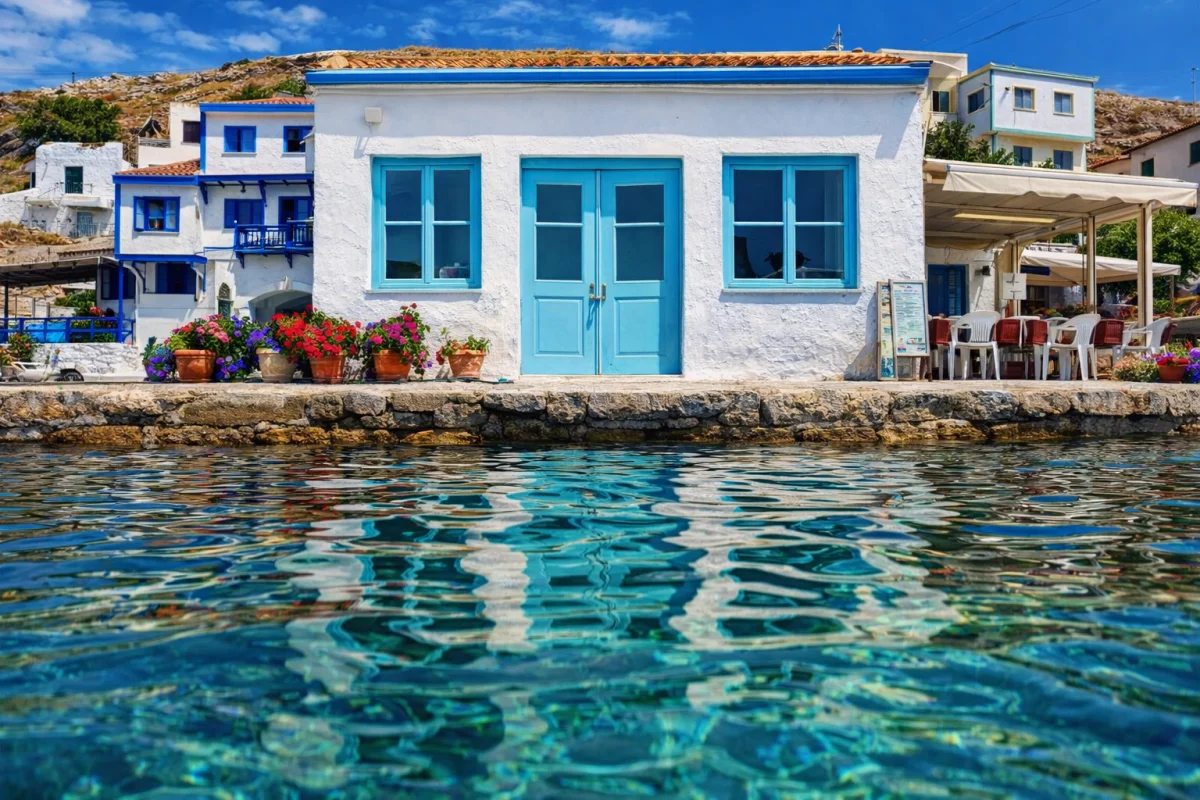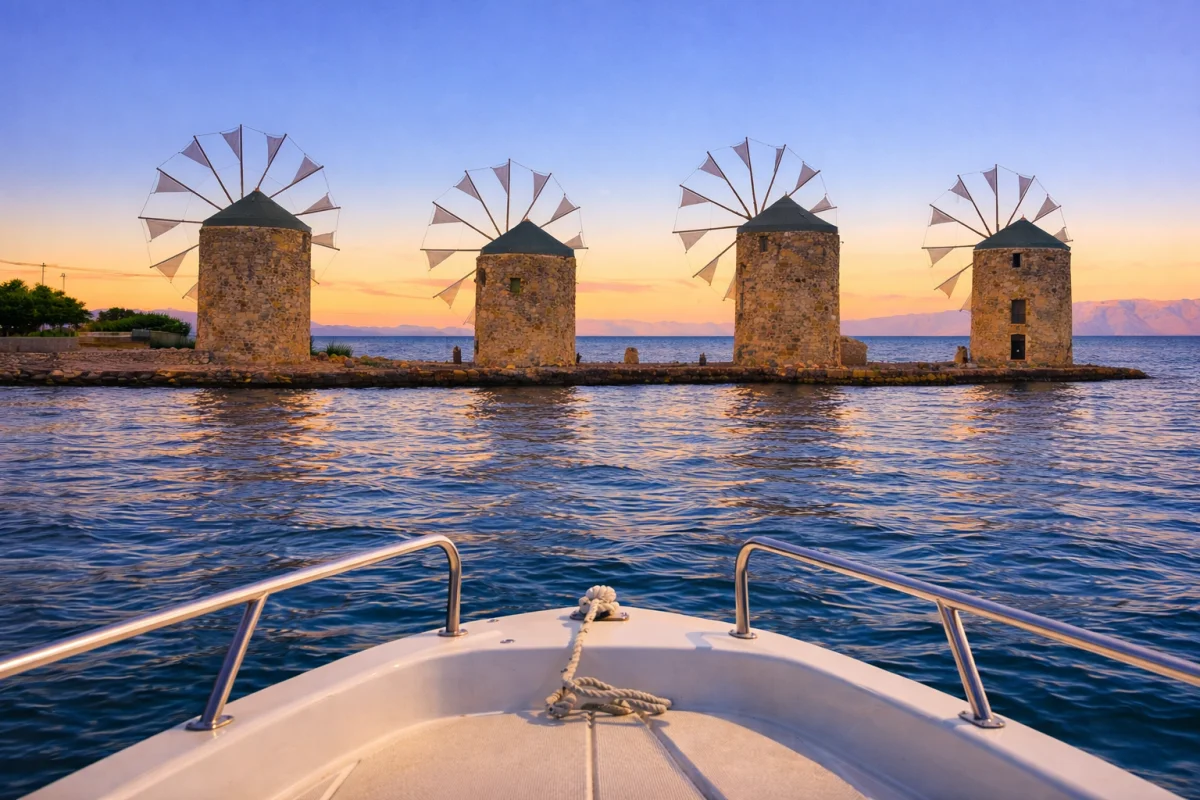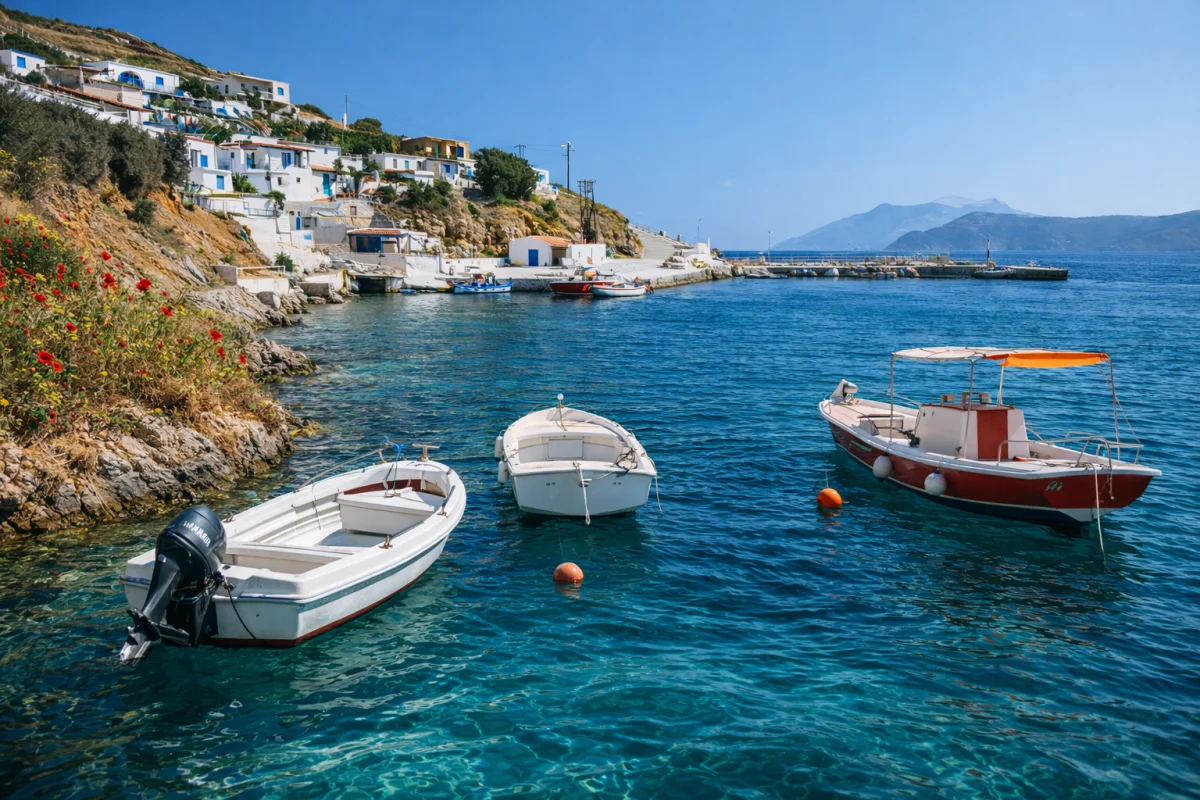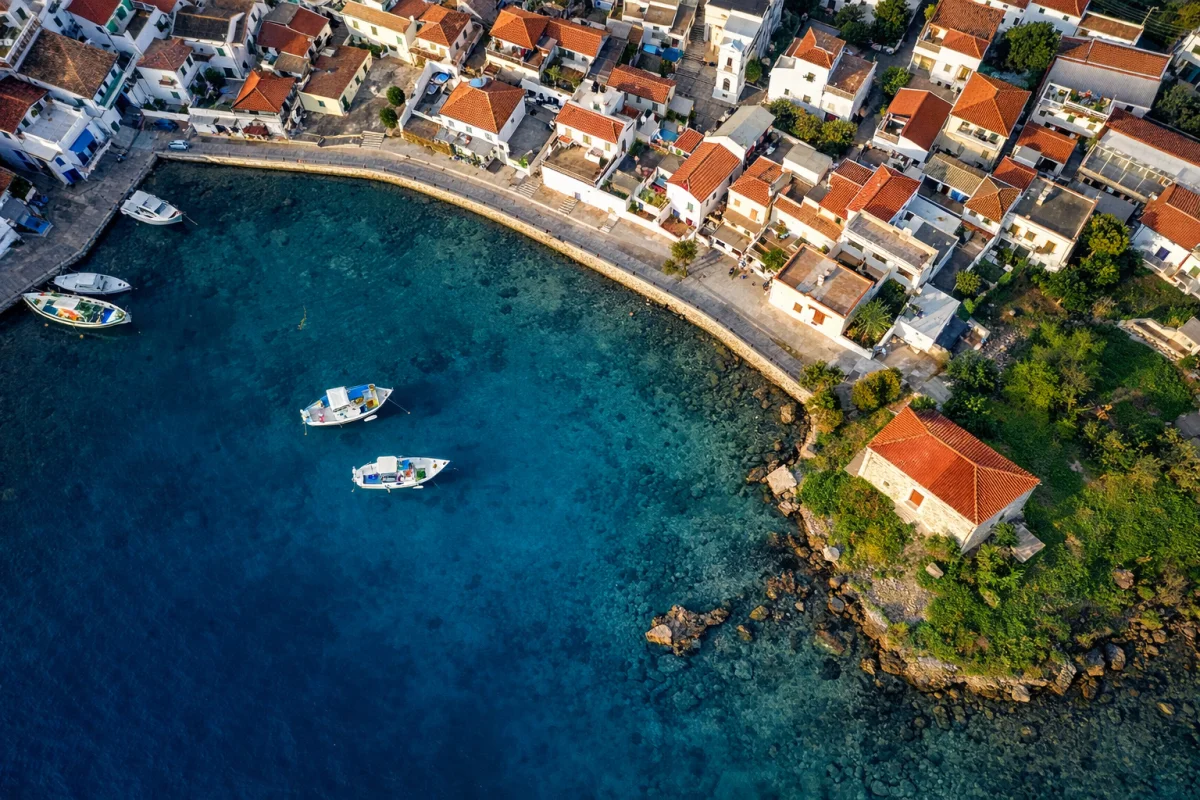
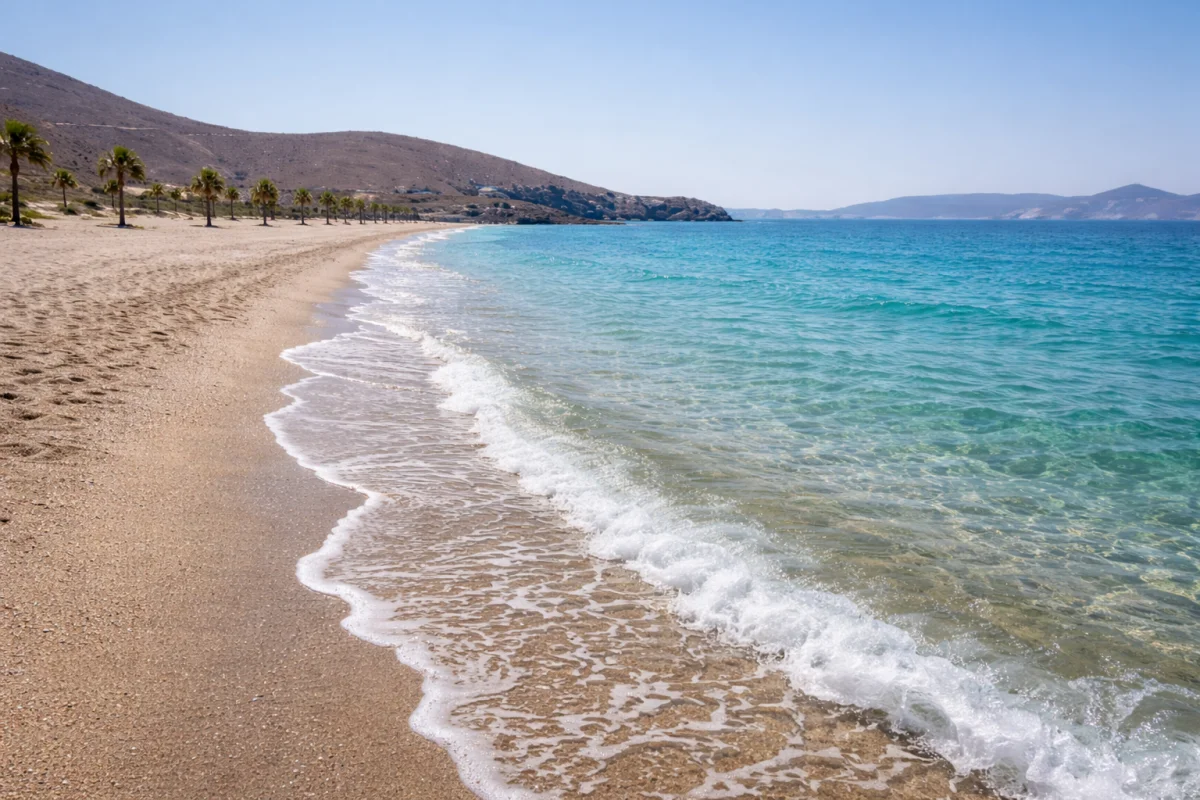
Psara is an island of "after". To arrive here is to step into a silence that feels older than the wind. It is a rock thrown into the middle of the Aegean, stark and unadorned, sitting west of Chios like a sentinel that has forgotten what it is guarding. It does not try to charm you. It offers no lush valleys, no Venetian architecture and no softening greenery to comfort the eye. It is bare. It is exposed. It is an island of bone and light. Psara is defined not by what is here, but by what is missing. By the people who are gone. By the buildings that burnt. By the noise that was silenced two centuries ago and never quite returned.
The Geography of Truth
The landscape of Psara has low hills and scoured by the salt wind. The soil is thin, clinging desperately to the rock. Trees are a luxury the island rarely affords. This barrenness creates a peculiar kind of light, blinding, absolute and revealing. There are no shadows to retreat into. This exposure affects you physically. You feel unprotected. The horizon is wide and unrelenting and the sea surrounds you with a completeness that feels overwhelming. On other islands, the land cradles you; on Psara, the land lifts you up and offers you to the sky.
The Glory and the Ash
You cannot understand the silence of Psara without understanding the noise that preceded it. In 1824, this tiny rock was a maritime superpower, its ships fighting fiercely for Greek independence. And then, it was punished. The Ottoman fleet landed and Psara was erased. The Massacre of Psara is not just a historical date; it is the event that stopped the island’s clock. The entire population was slaughtered, enslaved or fled. The island burned. The national poet, Solomos, wrote of Psara: "On the blackened ridge of Psara, Glory walks alone." When you walk the ridges today, you feel that solitude. You feel the weight of a place that was once full of life and was suddenly, violently emptied. The emptiness of the landscape is not natural; it is the scar tissue of a wound that went down to the bone. The island never fully recovered its numbers. It remains a place of survivors, a small community living in the echo of a great tragedy.
The Dignity of the Few
The settlement that exists today feels huddled, as if the houses are holding onto each other for warmth against the memory of the fire. Life here is not expansive; it is concentrated. The community is small and because of that, it is intensely human. There is no anonymity in Psara. If you walk the harbour, you are seen. If you sit at a café, you are acknowledged. The locals possess a quiet dignity. The specific kind of pride found in people who know their ancestors died for something and who have chosen to stay when they could have left. They fish. They mend nets. They drink coffee. They wait for the ferry. But in their simple persistence, there is a profound statement: We are still here.
The Deepest Blue
The sea around Psara is not a playground. It is a grave, a highway and a lifeline. Ask any sailor in the Aegean and they will tell you: the waters of Psara are different. They are deeper, colder and clearer. The locals say the water is "cobalt". A blue so dark and rich it feels heavy. Swimming here is a serious act. There are no shallow, sandy gradients where you can wade in absentmindedly. The land drops away and you are immediately suspended over the abyss. It is a cleansing water. It feels wild and untamed, a reminder that while humans can burn cities, they cannot burn the sea.
The Taste of the Sea
Food on Psara is an extension of this relationship with the water. This island is famous for its lobster, but this is not the luxury dining of Paris or New York. Here, lobster is working-class food. It is what the nets bring up. It is served on plastic tablecloths, boiled with pasta and served on large platters to be shared by messy hands. It is food that connects you directly to the ecosystem. You eat what the sea gives and you are grateful. The flavours are sharp, salty and unmasked by heavy sauces. Like the island, the food hides nothing.
The Gift of Nothingness
Psara offers the traveller a rare and difficult gift: the gift of nothingness. There are no "sites" to check off a list. There are no shopping streets. There is no nightlife. The island strips away your distractions. It takes away your phone signal in the remote bays. It takes away your schedule. At first, this is terrifying. You are left alone with your thoughts. You hear the wind whistling through the dry thistles. You hear the blood rushing in your ears, but if you stay, the panic subsides and a strange peace takes over. You begin to notice the small things. The way the light changes on the rocks at sunset. The sound of a goat bell two miles away. The texture of the stone.
Why It Remains
Psara is heavy. It carries the weight of "The Black Ridge". It carries the weight of absence. But it is also incredibly light, because it is free from the burden of pretending. It is the most authentic version of itself it can be. It stays with you because it forces you to confront the basics of existence of stone, sea, sky and survival. It reminds you that everything can be taken away. Your wealth, your house, your safety, but the land remains, as long as someone is left to stand on it, life continues. Psara is the quiet, stubborn proof of that.