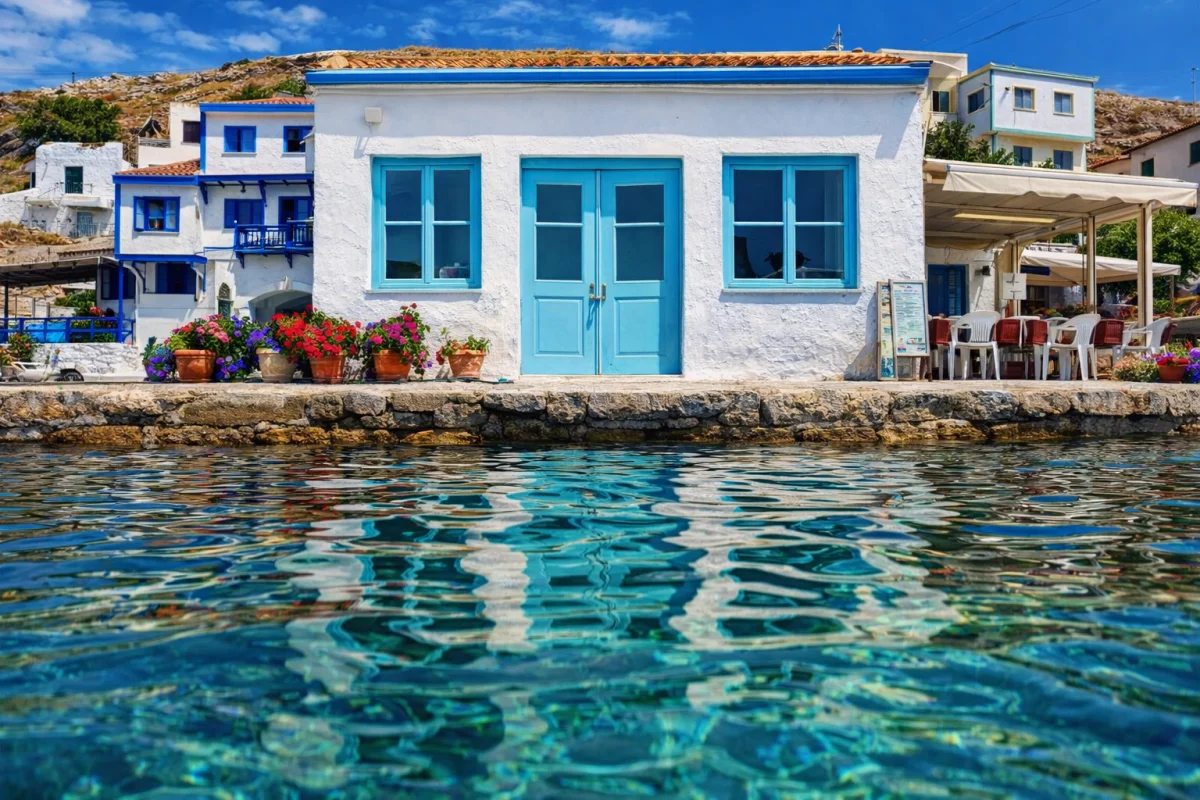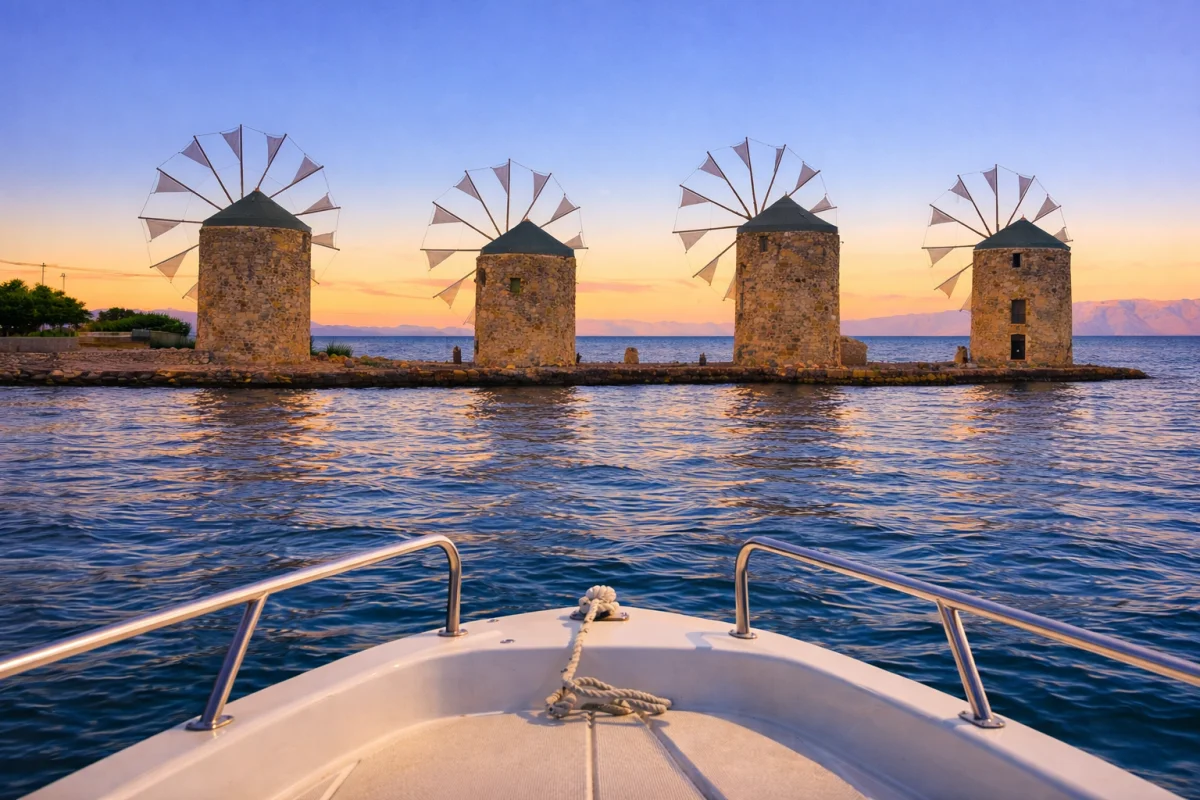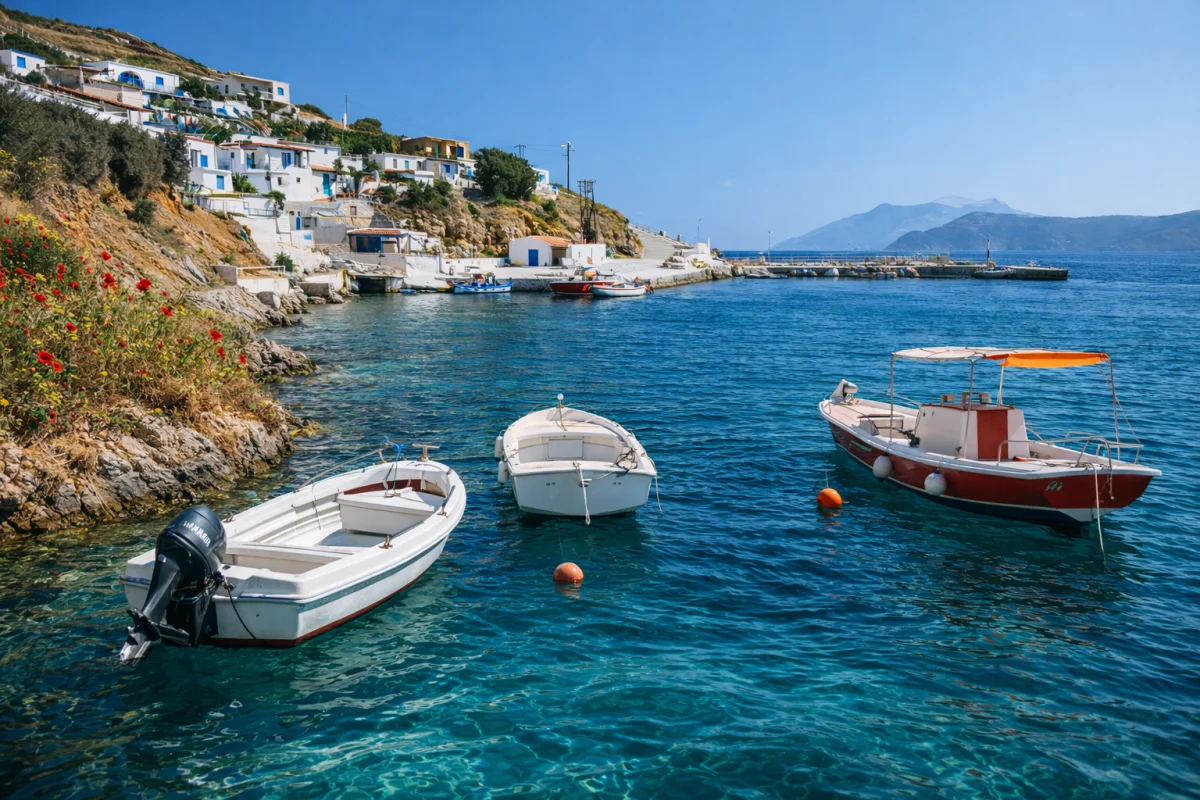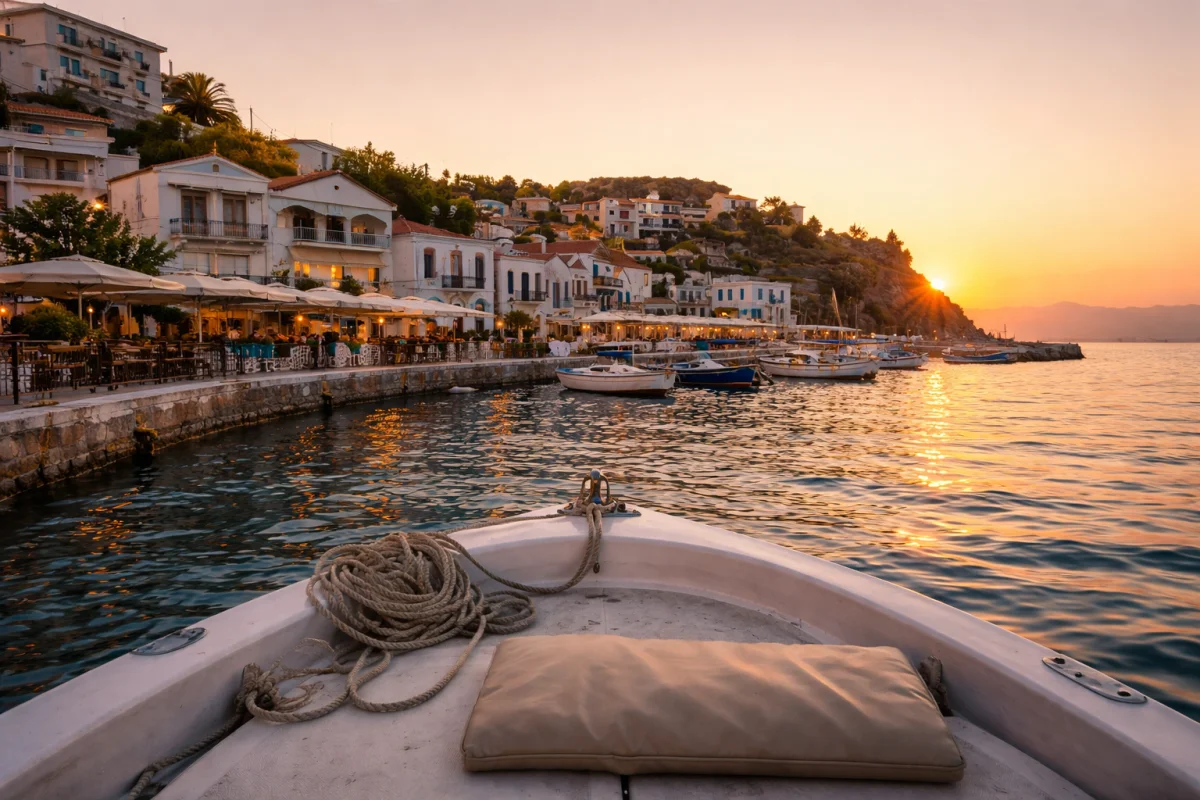
Ikaria is a place where time, that rigid taskmaster that rules our lives elsewhere, simply gives up. It unravels here. The island feels indifferent to your schedule, your anxieties and your need for efficiency. It demands a surrender. To arrive in Ikaria is to step off a conveyor belt and realise, with a sudden, dizzying clarity, that you have been running for no reason. Sitting in the eastern Aegean, detached and rugged, Ikaria has always been an outlier. It is the "Red Rock", the island of exiles, the place where the god Dionysus was said to hide. It is an island that learnt, centuries ago, that the only way to survive the crushing weight of history is to refuse to take it seriously.
The Geography of Defiance
The land itself is a refusal. Ikaria is not a gentle, rolling landscape inviting you to relax. It is a violent upheaval of rock. The mountains rise vertically from the sea, jagged and steep, cutting the sky. The roads are not routes; they are negotiations with gravity. This geography shaped the soul of the people. For centuries, to avoid pirates and invaders, the Ikarians did not build on the coast. They retreated. They built their villages high in the clouds, hidden in the folds of the mountains, invisible from the sea. They built "anti-pirate" houses, tucked under massive boulders, designed to disappear. This history of hiding has left a psychological mark. The island feels protective, secretive and fiercely independent. It is a fortress of solitude that slowly, cautiously, transformed into a sanctuary of community.
The Death of Urgency
The most profound human experience on Ikaria is the dismantling of urgency. In the mountain villages like Christos Raches, the concept of "day" and "night" is fluid. Shops might open at midnight. Lunch might happen at 6:00 PM. No one looks at a watch because the watch is irrelevant. This isn’t laziness; it is a philosophical stance. It is a collective agreement that life is not a project to be managed but a phenomenon to be experienced. The anxiety of "being late" dissolves because there is nothing to be late for. When you sit at a café in the square, you are not waiting for service. You are participating in the village’s living room. The coffee arrives when it arrives. The conversation matters more than the transaction. It is a lesson in presence that hits you in the chest: Why are you rushing? Where are you actually trying to go?
The Dionysian Pulse
If the day is for slow living, the night is for release. Ikaria is famous for its panigyria, the village festivals, but to call them "parties" is to misunderstand them deeply. They are rituals. In the dark, under the plane trees, the violin begins a repetitive, hypnotic loop. The people link arms. The circle forms. It is not a performance; there is no audience. Everyone dances. The Ikariotiko dance is a shuffle, a sway, a movement of the earth. To join that circle is to lose your ego. You are no longer an individual with a job title and a mortgage; you are a single cell in a living organism. The dance goes on for hours, fuelled by strong red wine and a collective trance. It is a deeply human release, a way of shaking off the sorrow and the struggle of life, stomping it into the dirt and choosing joy instead.
Food as Medicine for the Soul
Eating on Ikaria is survival that tastes like grace. It is weeds (horta) gathered from the roadside, bitter and dark. It is goat meat slow-cooked until it falls apart. It is honey that tastes of thyme and heather. This is the famous "Blue Zone" diet, but the locals don't eat this way to live forever. They eat this way because it is what the land gives. The longevity of the Ikarians, their tendency to "forget to die", is likely less about the vitamins and more about the lack of poison. Not the poison of food, but the poison of stress. The poison of loneliness. Meals here are shared. A table for two often becomes a table for ten. You eat, you drink, you laugh and you let the hours bleed into one another.
The Sea and the Stone
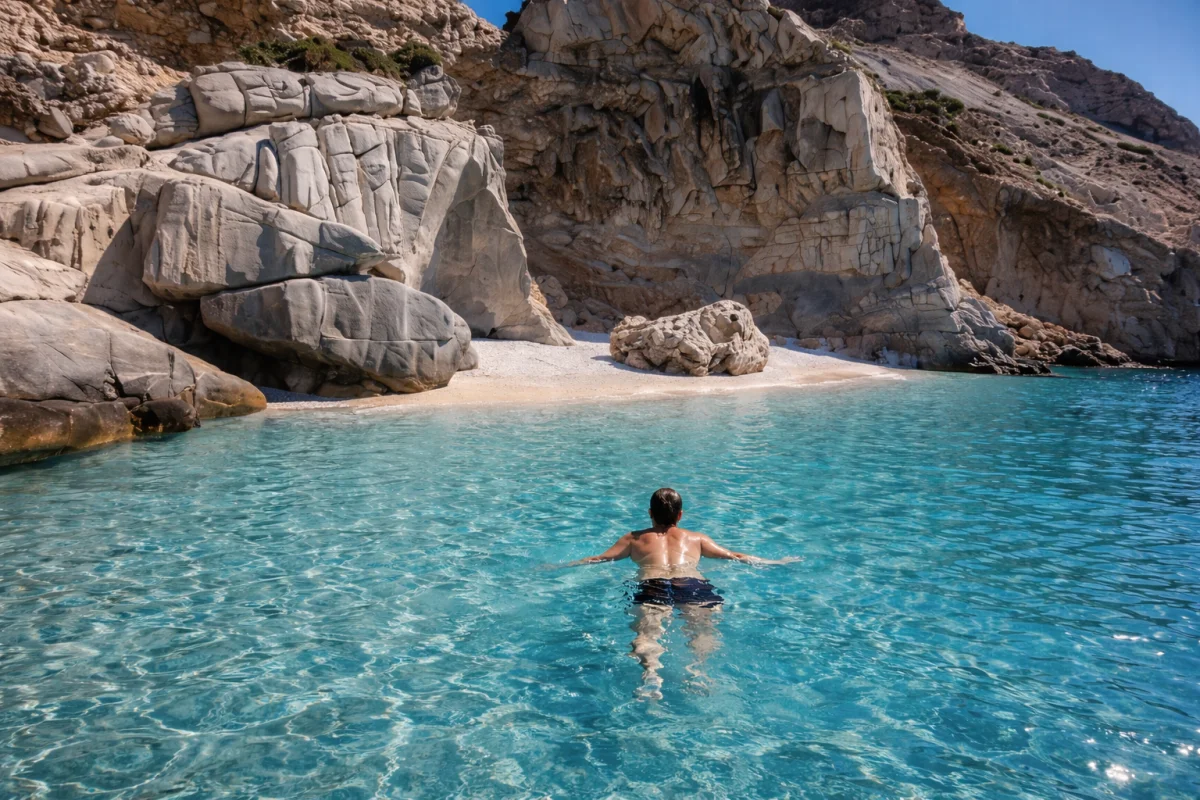
The sea here is not a backdrop; it is a protagonist. On the north side, the wind, the meltemi, is ferocious. The waves batter the cliffs with a violence that demands respect. Swimming in Ikaria is often a battle. The water is deep, clear and wild, but there are moments of profound peace. The "Seychelles" beach, with its impossible turquoise water or the hot springs at Therma, where radioactive water bubbles up from the earth to heal aching bones. The island offers both the violence of the storm and the healing of the womb.
What Lingers
Ikaria changes you because it disarms you. It strips away the armour of the modern world. You arrive, checking your emails and you leave wondering why you have a phone at all. You carry the weight of the island home with you. You remember the old men with clear eyes laughing at 3:00 AM. You remember the smell of sage and dust. You remember the feeling of the dance, the weight of the hand on your shoulder and the realisation that you are not alone. Ikaria teaches you that life is not short; we just waste it by rushing. It teaches you that if you stop fighting time, time might just decide to be kind to you. It is an island that refuses to rush and in doing so, it reminds us how to live.