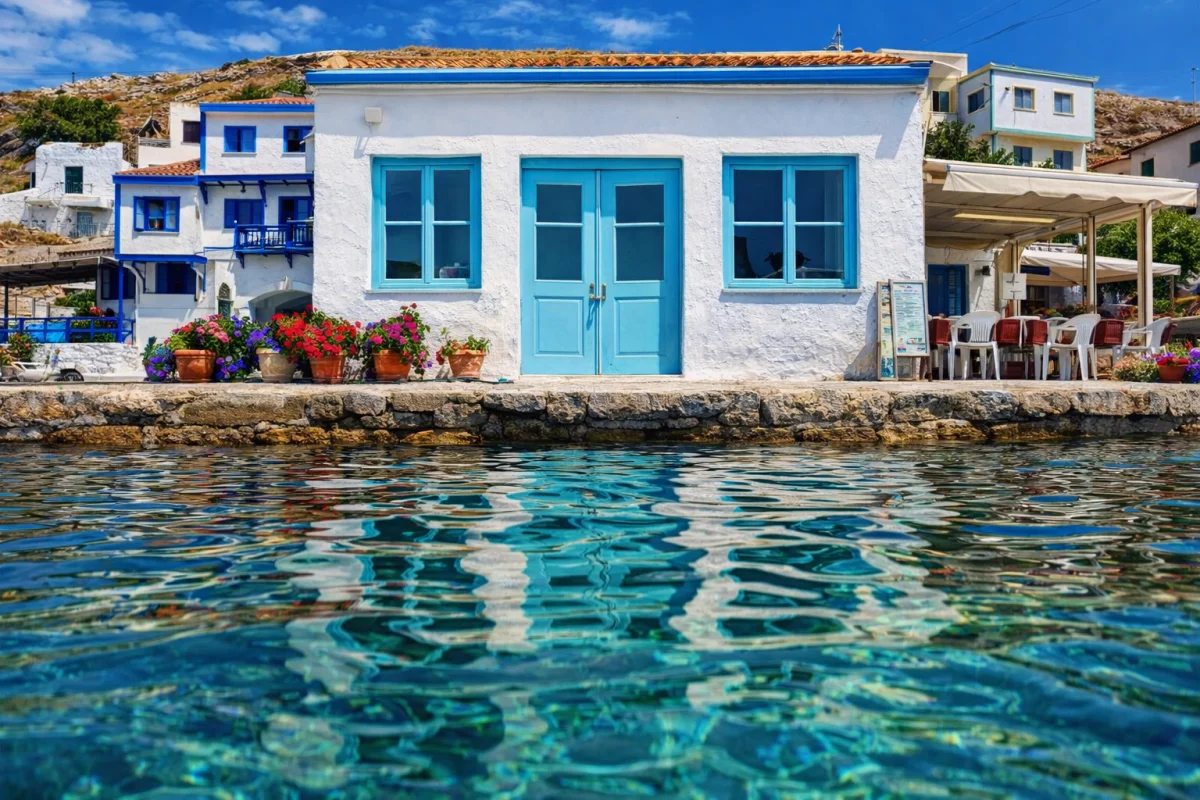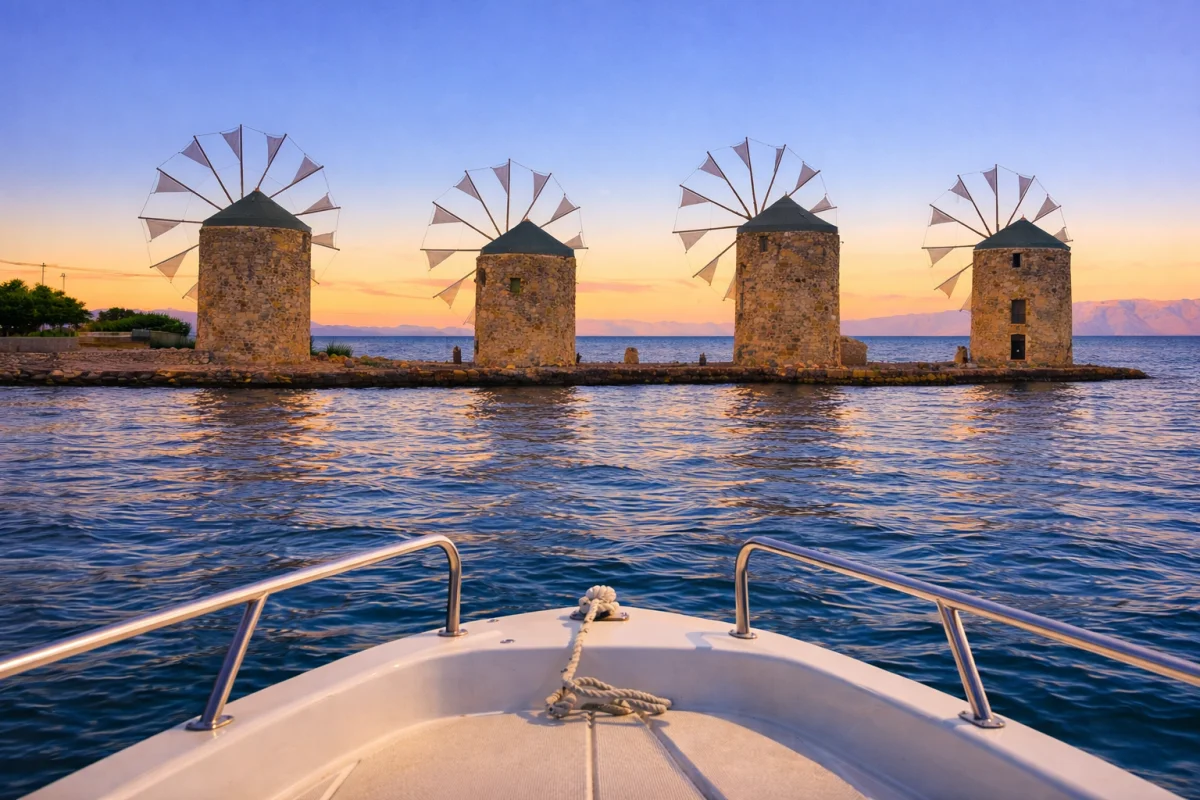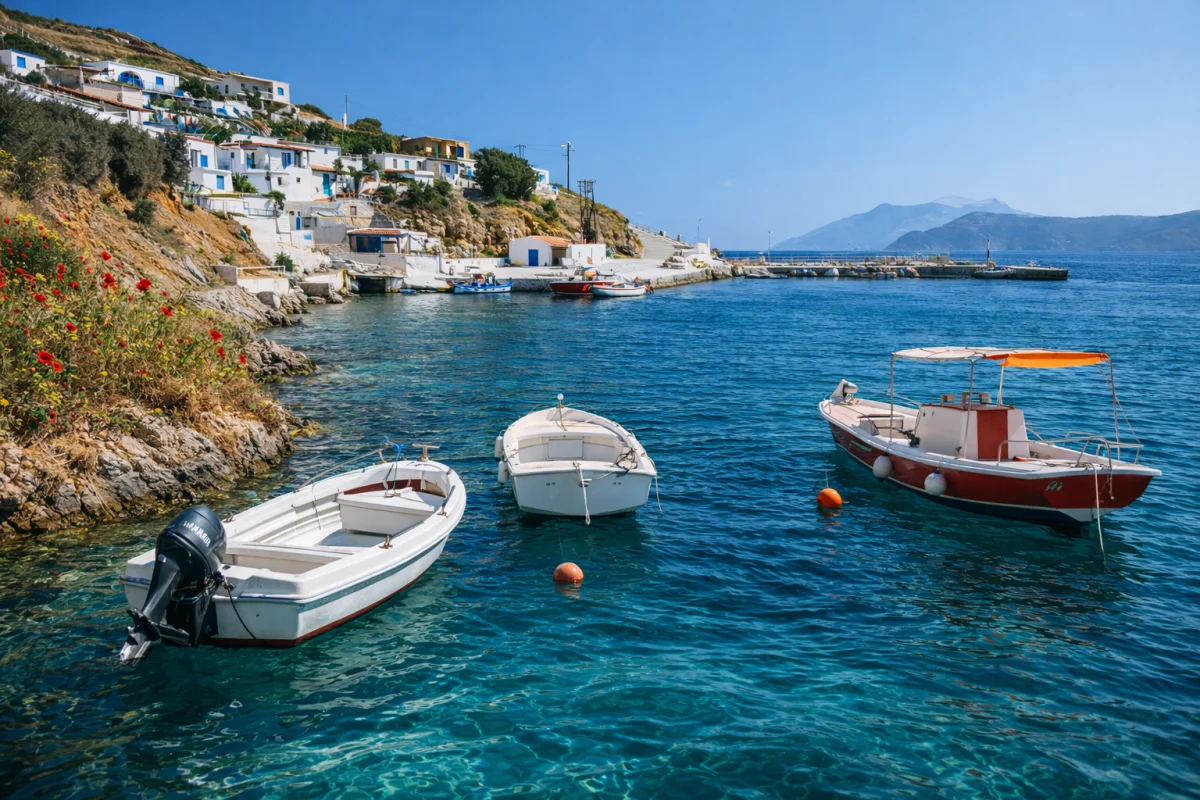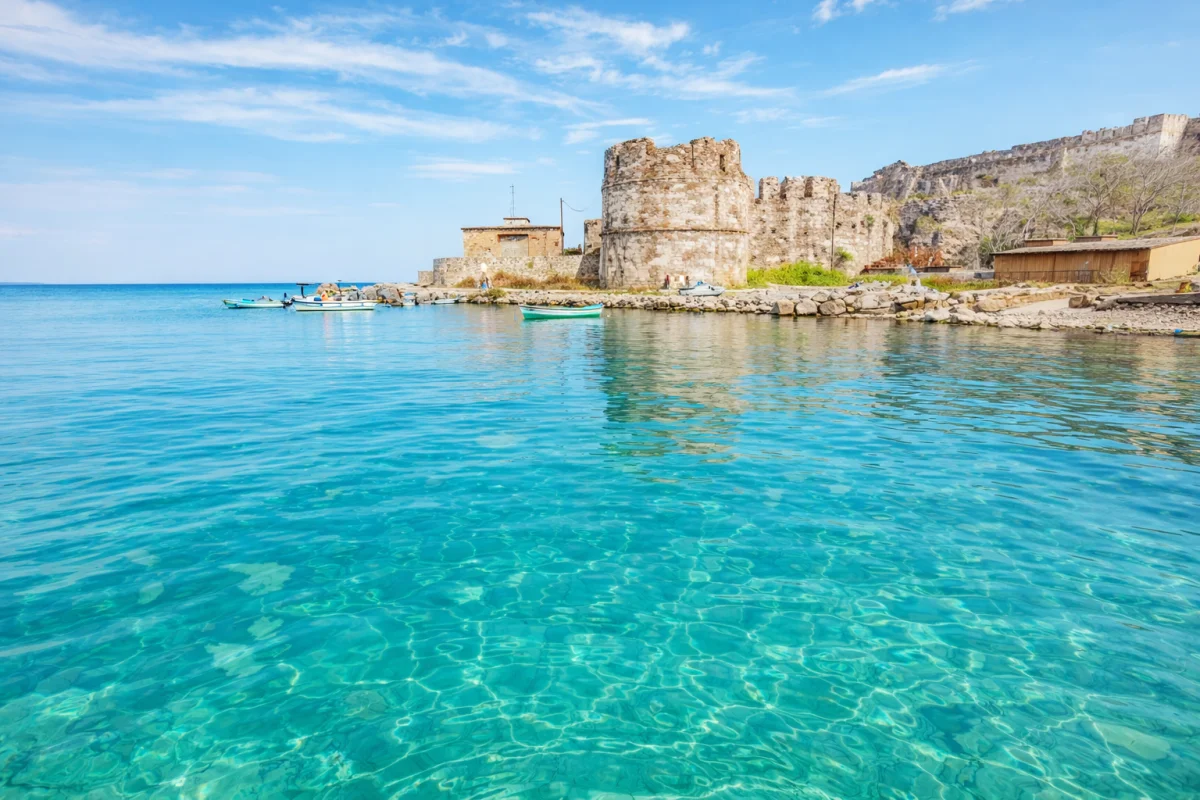
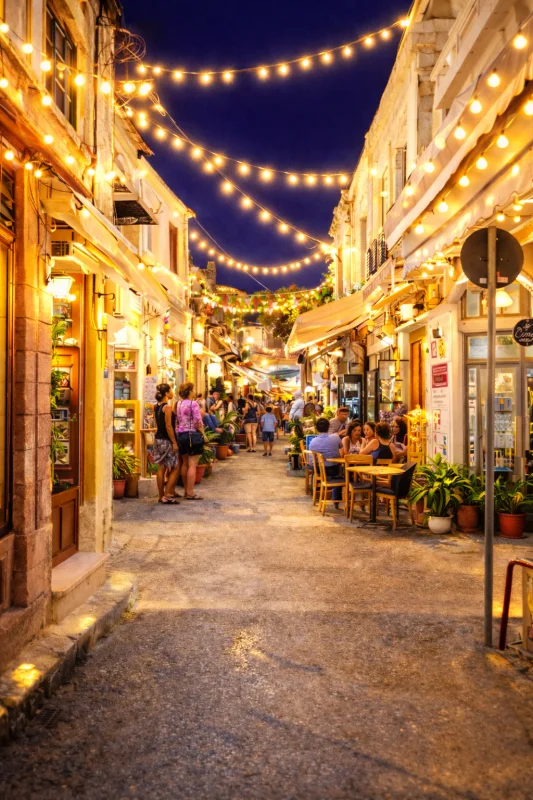
Lesvos defies the simple definition of an island. It is too vast, too complex and too deeply rooted in the earth to be dismissed as a mere summer escape. It feels less like a piece of land surrounded by water and more like a floating continent, a self-contained universe that demands you adjust your internal scale to match its own. Sitting in the northeastern Aegean, it rests heavily against the flank of Asia Minor. This proximity is the defining tension of the island. You can stand on the eastern shore and see the lights of the opposite coast, a constant reminder that Lesvos exists on the threshold between worlds. It is a borderland, a place where history, culture and memory have washed ashore for millennia, leaving behind layers of sediment that have formed a rich, complicated soil. To visit Lesvos is not to skim the surface of a place; it is to sink into it.
The Endless Sea of Silver
The first thing you feel is the scale. The landscape rolls and unfolds with a grandeur that is rare in the Aegean. But it is the olive trees that steal your breath. There are eleven million of them. They are not just agriculture; they are the architecture of the island’s soul. They cover the hills like a silver ocean, shimmering in the wind, twisting their ancient trunks into shapes that look like human muscles. In the heat of the afternoon, the air smells of dust and heated oil. These trees imply patience. You do not plant an olive tree for yourself; you plant it for your grandchildren. Lesvos feels like a place that thinks in centuries, not seasons. The land here has been worked, loved and harvested by the same families since before the maps were drawn.
Mytilene - The City of Living Layers
The capital, Mytilene, is not a postcard town. It is a city with a pulse. It is messy, loud, intellectual and profoundly alive. Walking its streets is like walking through a cross-section of time. You pass a neoclassical mansion built by a merchant who traded with the Black Sea, next to an Ottoman fountain, next to a modern café filled with university students debating politics. The dome of the church answers the dome of the mosque. Mytilene carries the weight of a capital. It has always been a place of poets, thinkers and artists. The home of Sappho and Elytis. You feel this intellectual heritage in the air. It is a city that reads, a city that argues, a city that remembers.
The Geography of Shadow and Light
The island is a study in duality. The east is lush, green and dripping with resin and pine. It feels gentle, almost maternal. But travel west and the world changes. The land becomes volcanic, stark and elemental. Around Sigri and the Petrified Forest, the earth reveals its bones. It is a moonscape of reds and browns, shaped by ancient fire and relentless wind. This contrast prevents you from ever feeling like you have "figured out" Lesvos. Just when you think you understand it, it shows you a different face.
The Ritual of the Table
Food on Lesvos is not a commodity; it is a form of communication. This is the island of Ouzo, the spiritual home of the anise spirit that turns milky when it meets water and ice. But Ouzo here is not meant to get you drunk; it is meant to slow you down. It is a ritual. You sit at a seaside kafeneio, the water lapping at the wood of your chair and you order a carafe. It comes with meze. Small plates that taste of the sea. Salted sardines from the Gulf of Kalloni, so tender they melt on the tongue. Ladotyri cheese preserved in oil. The table becomes a space of confession and connection. In Lesvos, you don’t eat to fuel the body; you eat to anchor the soul. Meals stretch for hours because there is nowhere else you need to be.
The Borderland
You cannot talk about Lesvos without talking about the "Other". The coast of Turkey is a physical presence. This proximity has brought trade and wealth but also tragedy and loss. Lesvos was the landing ground for the refugees of 1922 and again in recent years. This has given the island a heart that is wide and sometimes bruised. The people of Lesvos know what it means to lose a home and they know what it means to welcome a stranger. There is a deep, rugged humanity here, a hospitality that is not performed for tourism but practised as a duty.
The Weight of Water
The sea around Lesvos is a working sea. It is not just for swimming; it is for living. The fishing boats are not props; they are tired, painted vessels that go out into the dark every night. When you swim here, the water feels different. Perhaps because you know how many ships have crossed it, how many stories lie beneath the surface.
Why It Anchors You
Lesvos stays with you because it feels complete. It is not a fragment of life; it is the whole of it. It holds the joy of the festival and the sorrow of the exile. It holds the silence of the petrified trees and the noise of the city market. It holds the past and the present in the same hand. When you leave, you feel heavier, in the best possible way. You feel ballasted by the silver of the olives, the salt of the sardines and the deep, enduring dignity of a place that knows exactly who it is.