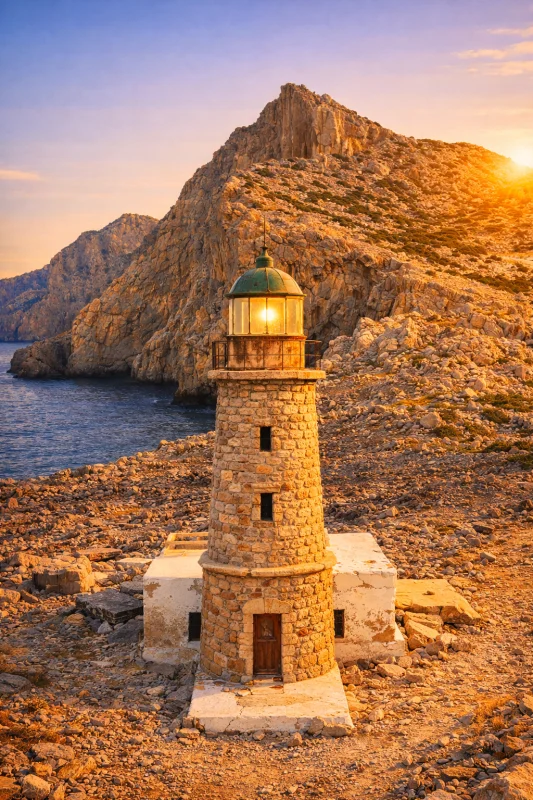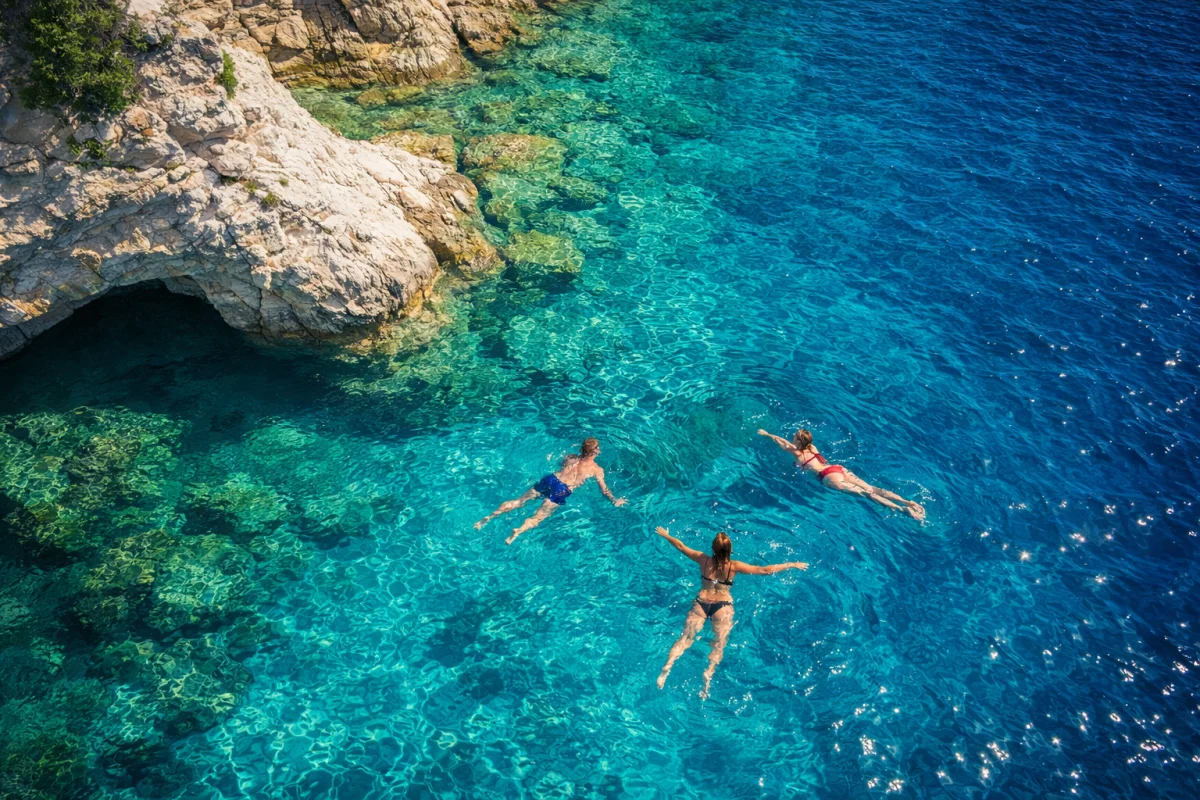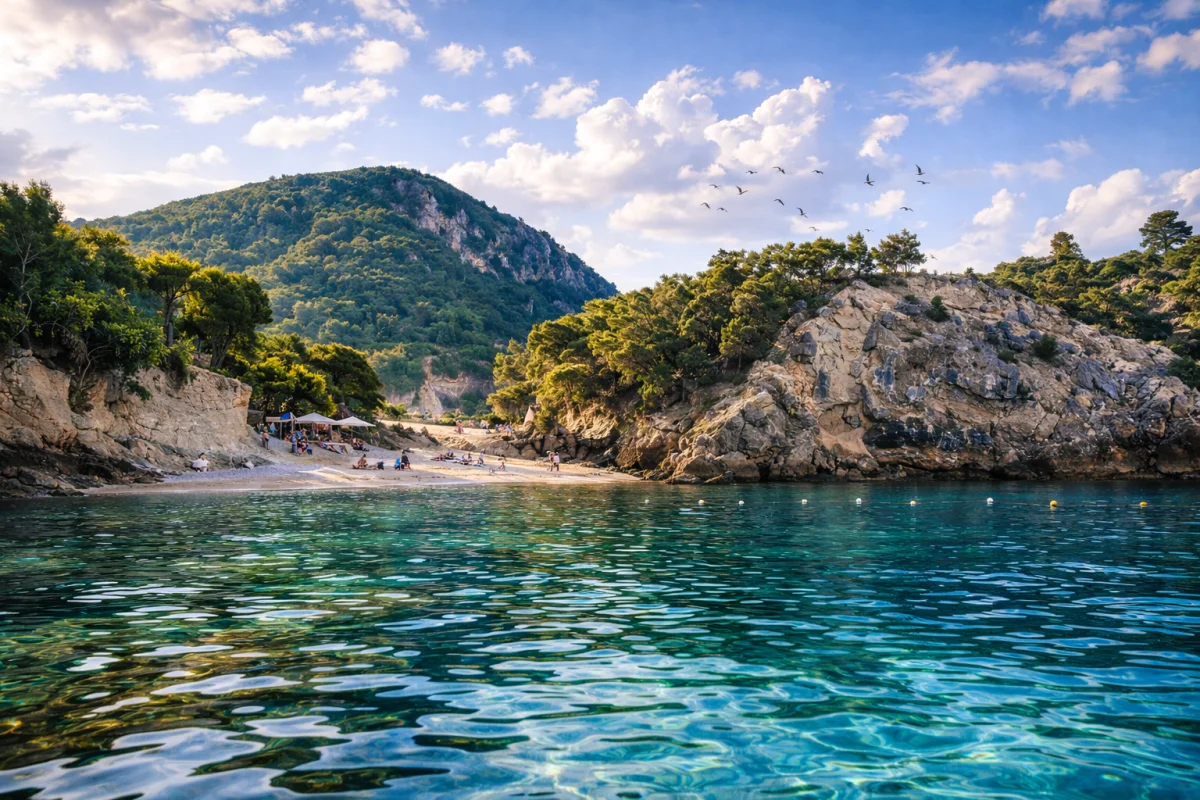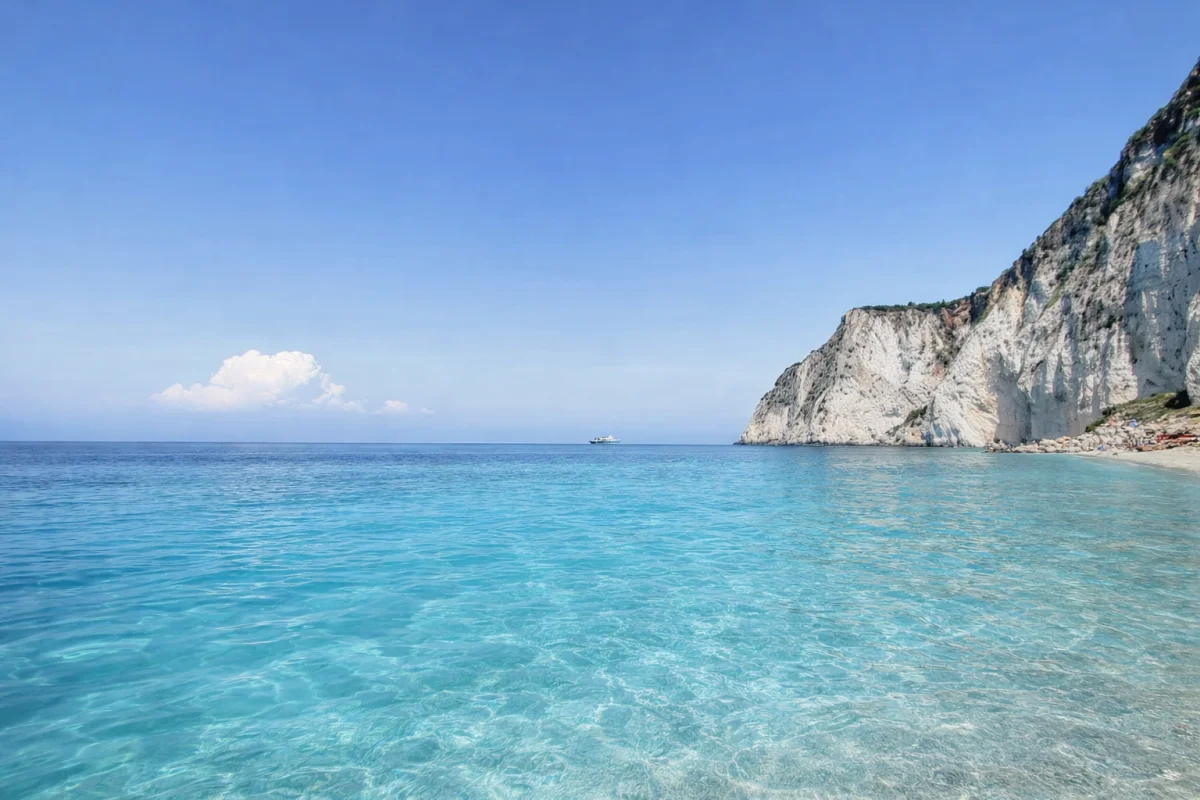
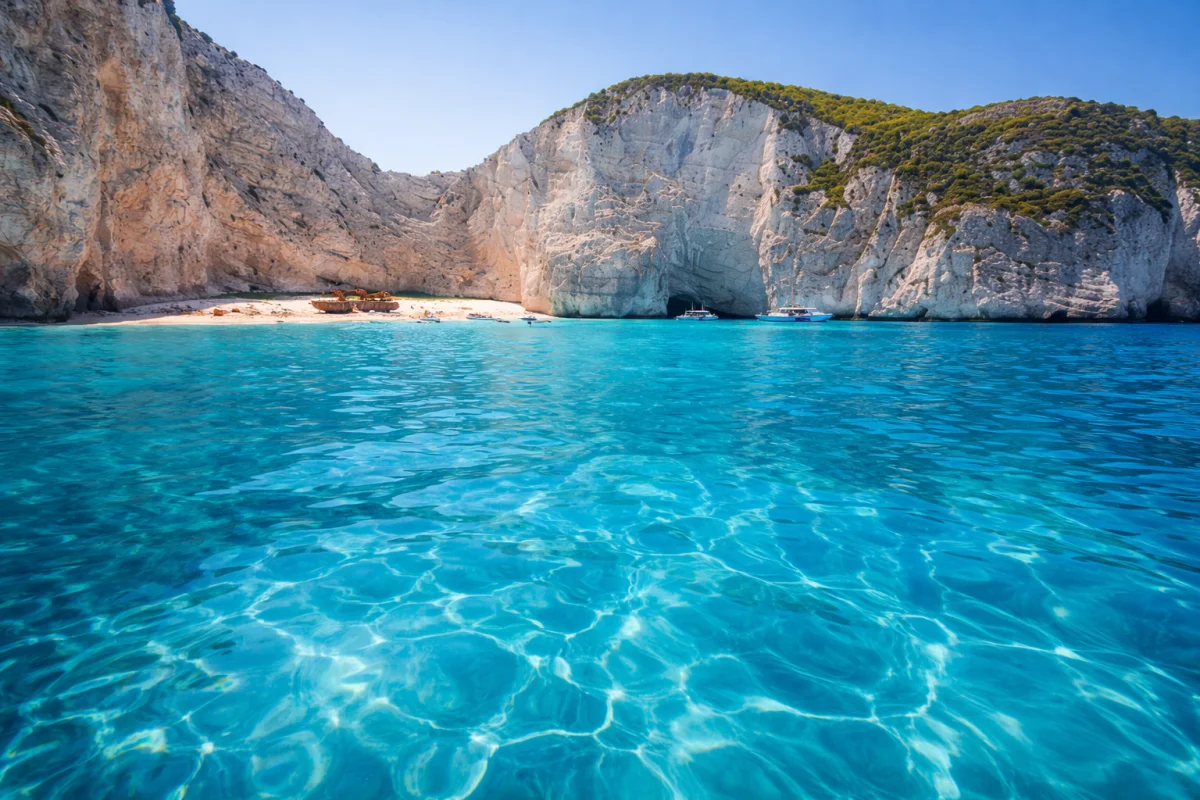
Zakynthos arrives in a wash of light. The first thing you notice and the last thing you remember is the light. Here, light doesn't just illuminate; it completely fills the space. It reflects off the white limestone cliffs, bounces against the shallow turquoise waters and floods the olive groves with a brilliance that can feel almost overwhelming. To the Venetians, it was the "Fior di Levante"-the Flower of the East. To the modern visitor, it often appears as a paradise of easy beauty. To stop at the beauty is to miss the point of Zakynthos. Beneath the postcard exterior lies an island of profound duality and resilience. It is a place where the earth has shaken violently, where history was interrupted and rebuilt and where the softness of the eastern plains clashes with the brutal, majestic verticality of the western coast. Zakynthos is not just a destination to be seen; it is a presence to be felt. It demands that you look past the glare of the sun to find the shadow and the soul beneath.
A Geography of Radical Contrast
The geography of Zakynthos is a study in opposition. East and south, the terrain is forgiving. East and south, the land softens. Hills lower their shoulders and slowly give way to open plains and wide, breathing bays. The land slowly gives way to the sea. This is the part of Skiathos that feels easy to reach and easy to understand, as if it is quietly coming toward you rather than asking you to chase it. The coastline relaxes, stretching out in gentle curves instead of sharp edges. Sand replaces stone. The water stays shallow and clear, warming under the sun. and welcoming. This is the Zakynthos of settlement, of agriculture and of easy movement. It is where the island opens itself to the world. Turn west, however and the island transforms. The spine of the mountains rises up, creating a barrier that severs the land from the sea. The western coast is a fortress of stone. Huge limestone cliffs drop hundreds of metres straight into the indigo depths of the Ionian Sea. There is no gentleness here, only the raw power of geology. The transition is not gradual; it is abrupt. You can drive from a sun-drenched vineyard to the edge of a precipice in a matter of minutes. This contrast gives Zakynthos its rhythm. A constant interplay between the shelter of the bay and the exposure of the cliff.
The Weight of Memory and the Earthquake of 1953
History in Zakynthos is not measured in standing ruins but in what is missing. In August 1953, the earth shook with catastrophic force. In moments, centuries of architecture, graceful Venetian mansions, ancient churches and public squares, were reduced to rubble. Fire followed the quake, consuming much of what the tremor had spared. This event is the defining scar on the island’s collective memory. Unlike other Greek islands where you walk through visible layers of antiquity, Zakynthos feels distinctly modern in its built environment. The capital, Zakynthos Town, was rebuilt with a fierce determination to honour the past, replicating the Venetian style, but the stones are new. Zakynthos lives in the culture, not the walls. It survived in the music, the kantades, longing ballads sung in harmony and in the literature of poets like Dionysios Solomos, who wrote the "Hymn to Liberty". The island’s identity proved to be earthquake-proof. The buildings fell, but the spirit of the place, a unique blend of Greek passion and Italian refinement, remained intact. Walking through the town today, you feel this resilience. It is a place that remembers what it lost but refuses to be defined solely by the loss.
The Fragile Blue and the Responsibility of Nature
The sea surrounding Zakynthos is famous for a specific shade of blue. An electric, milky turquoise created by the sun hitting white sand through crystalline water. This is most visible in the Blue Caves to the north and the waters of the south, but this beauty comes with a heavy responsibility. The southern coast, particularly the Bay of Laganas, is the most important nesting ground in the Mediterranean for the Caretta caretta loggerhead sea turtle. These ancient creatures have returned to these sands for millennia. Today, their presence changes the sea. What once felt like a playground becomes something quieter, more protected. The island feels different here, quieter and more careful. In the Marine Park, everything slows down. Movement is limited and speed is kept low. The island knows that it is not only a place for people to live, but also a safe place for a fragile environment to grow. The needs of nature and the needs of tourists are at odds with each other here. This water is like going into someone else's house when you swim in it. When you think about the turtles that you can't see but are there, it changes the way you see the sea. It becomes a place of quiet observation rather than just recreation.
Navagio
No discussion of Zakynthos can exist without Navagio, the Shipwreck Beach. It is the image that defines the island to the outside world. But standing on the viewing platform high above the beach, the feeling is not one of relaxation. It is a feeling of awe mixed with vertigo. The cove is an amphitheatre of stone, cut off from the rest of the world by vertical walls that seem to scrape the sky. The rusting hulk of the ship Panagiotis sits in the white sand like a deliberate art installation, a reminder of the sea’s power to claim and discard human efforts. The water here is a blue so deep and opaque it looks like paint. Navagio is beautiful, yes, but it is also violent. It represents the untameable side of Zakynthos. It is exposed to the elements, inaccessible by land and governed entirely by the mood of the sea. It serves as a reminder that the island is wild before it is welcoming.
The Quiet Interior: Villages of Stone and Shade
To find the stillness of Zakynthos, you must turn your back on the sea and head inland. The interior of the island is a tapestry of pine forests, olive groves and vineyards that have been cultivated for generations. The mountain villages, Volimes, Keri and Anafonitria, operate on a different clock. Here, life stays close to the ground. Resin and wild thyme scent the air. Stone houses sit close to one another, with sun on their walls and shade in between. The narrow passages stay cool and still. Old men sit in the village squares with small cups of coffee, speaking softly in the local way. Time does not feel counted here. It passes through words, pauses and conversations that have been shared for many years. This is the agricultural heart of the island, where olive oil and wine come from. Up in the hills, the memory of the earthquake feels farther away, softened by the regular work of the harvest. The landscape is green and alive, a clear contrast to the rocky islands around it.
A Table Spread with Honesty
The food of Zakynthos is a direct reflection of its landscape and history. It is "cucina povera", peasant cooking, elevated by the quality of the ingredients. The soil here is rich and the rain is plentiful enough to keep the island green, resulting in produce that bursts with flavour. Meals are built around ladotyri, a hard, spicy cheese preserved in olive oil and the abundant local oil itself. Dishes like sofrito (meat in garlic and vinegar sauce) betray the Venetian influence, while rabbit stew and rooster in red sauce speak to the island’s agrarian roots. Eating here is a slow, communal act. In the family-run tavernas tucked away in the hills or overlooking the sea, food is served with a lack of pretence. It arrives when it is ready. Wine is poured from carafes, not expensive bottles. The food sustains you, grounding you in the reality of the place.
Zakynthos draws you in with light and colour
The water glows, the cliffs stand tall and everything feels effortless. But if you linger, the surface beauty eases and the island reveals a more honest, lasting presence beneath it. You see the resilience of a town built on rubble. You feel the precarious balance of the ecosystem in the south. You sense the looming power of the cliffs in the west. You realise that the brightness is not shallow; it is a counterweight to the heaviness of history and the vastness of the sea. Zakynthos shows us that beauty can endure, that culture can thrive even when the physical world crumbles and that within the most dazzling light, there's always more to discover if you're willing to search. It's a place of welcoming gestures and hidden depths, a place that begs not just for a snapshot but for comprehension.