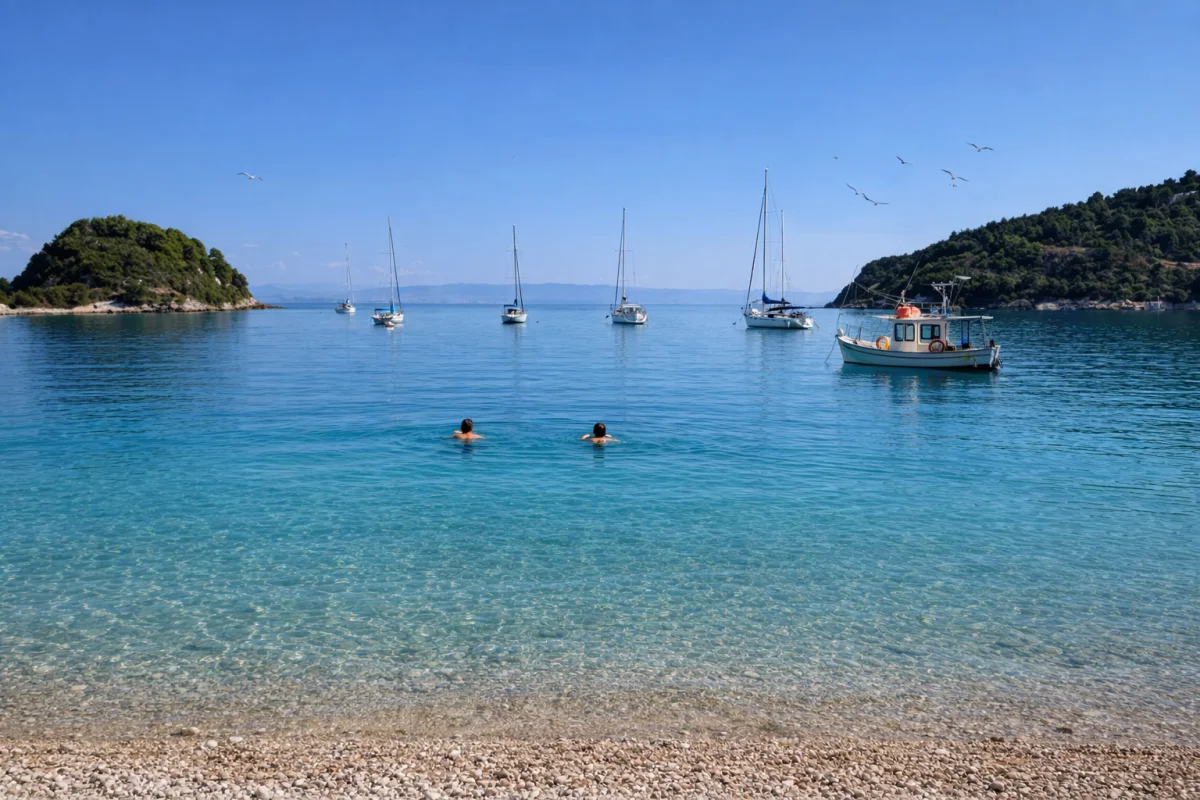
Paxos arrives softly. It doesn’t overwhelm you with scale or drama. Instead, it feels calm and contained, as if it has chosen quiet over display. Lying south of Corfu, the island is small, green and shaped by everyday life and a shared understanding of simplicity. From the moment you step onto the island, the pace slows. If you want it even flatter and more invisible, I can strip it down one last level. Life moves slowly not because it must, but because it can.
Geography That Feels Close and Intimate
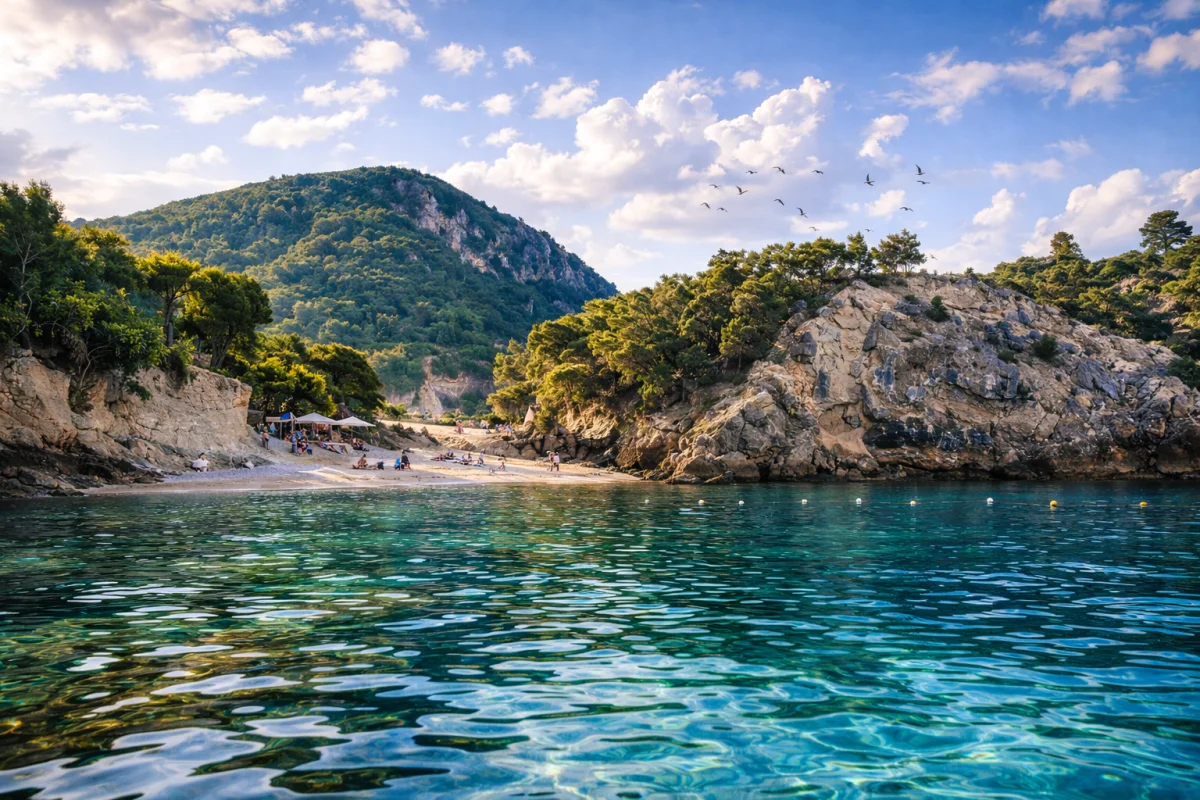
Paxos is compact. You can cross it easily, but it never feels cramped. The land rolls gently, covered in olive groves that stretch almost uninterrupted from one end of the island to the other. These trees are old. Many centuries old and they define the island’s texture and rhythm more than anything else. The coastline is where Paxos reveals contrast. Along the east, quiet bays face the mainland, offering shelter and still water. In the west, the land breaks into cliffs and caves above the deep blue sea. The water feels more open and more serious there. This balance between shelter and exposure gives the island depth without making it feel large.
An Island Without Sharp Edges
Unlike many Greek islands, Paxos has no mountains, no dramatic elevation and no sense of vertical struggle. Everything feels rounded, softened by time and vegetation. Paths wind rather than climb. Views open gradually instead of suddenly. This softness shapes how you move. Walking feels natural. Driving feels unhurried. You don’t brace yourself against the island. You move with it.
Villages Built Around Familiarity
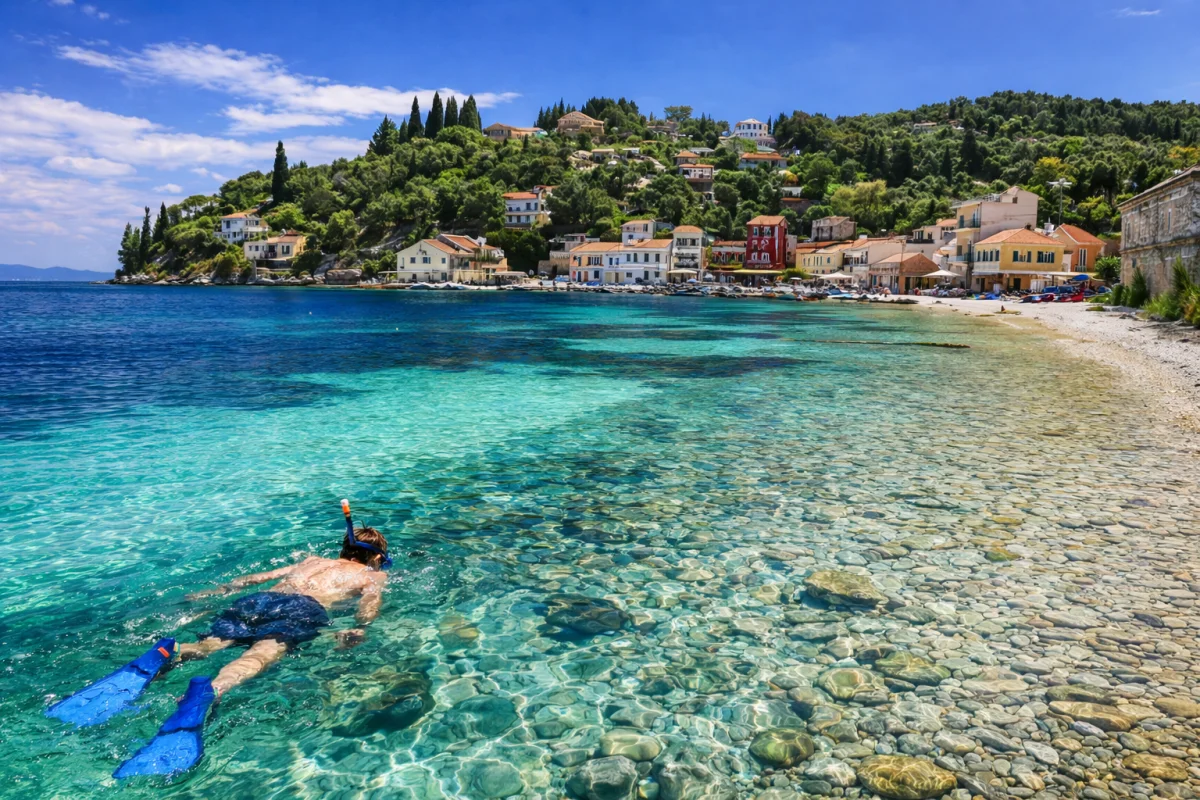
Life on Paxos is centred around a few small villages, each gathered around a harbour or bay. Gaios, the main settlement, sits protected by two small islets that soften the sea before it reaches shore. Boats arrive quietly. Cafés line the water without crowding it. Everything feels close enough to reach on foot. Other villages feel even smaller. Houses cluster lightly. Taverns sit where they’ve always been. People recognise each other and visitors are absorbed into daily routines rather than set apart. You quickly stop needing directions. The island becomes legible almost immediately.
A History Without Loud Moments
Paxos has never been a place of conquest or spectacle. It passed quietly through periods of Venetian and later European influence, but without dramatic upheaval. Its value was agricultural and maritime, not strategic. Because of this, the island avoided many of the disruptions that reshaped larger places. Life continued. Families stayed. Traditions repeated. History here doesn’t announce itself. It is there without pushing itself forward.
The Sea as a Daily Companion
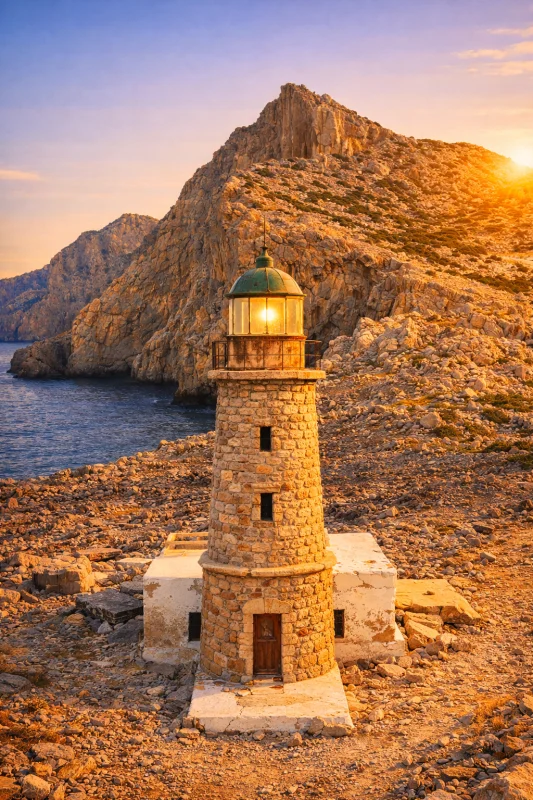
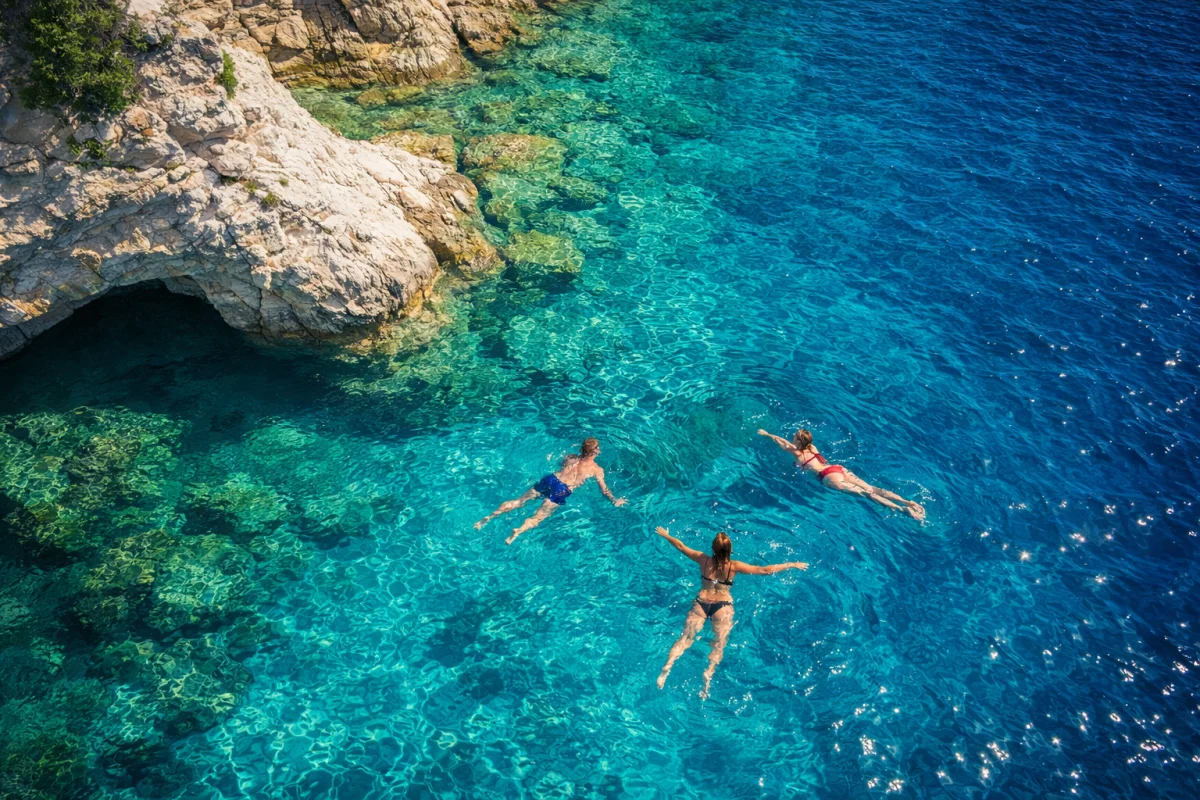
The Ionian Sea around Paxos feels calm and familiar. Water stays clear and deep blue, often smooth enough to reflect the sky. Swimming here feels forgiving. You enter slowly. Depth comes gradually. The sea feels like something you can spend time with, not something you need to measure yourself against. Boats matter here. Small vessels move between bays. People travel by water as easily as by road. The sea connects rather than separates. On the western side, the sea changes tone. Cliffs rise straight from the water. Caves cut into rock. The water darkens and deepens quickly. This contrast reminds you that the island’s calm is not accidental. It is sheltered, chosen and protected.
Food That Matches the Pace
Food on Paxos reflects the island’s quiet confidence. Meals are simple, local and repeated because they work. Fish comes from nearby waters. Vegetables and olive oil come from the land. Nothing feels excessive. Taverns feel like extensions of daily life rather than destinations. You sit, eat, talk and stay as long as you like. No one rushes you. No one checks the time. Eating here feels less like an event and more like part of the day unfolding.
Time That Doesn’t Ask for Attention
One of the most striking things about Paxos is how little it asks of you. There are no must-see lists, no pressure to move quickly and no sense of falling behind. Days open easily. You swim. You walk. You sit. You eat. You return to the same places without feeling repetitive. Time here doesn’t feel empty. It feels settled.
Visitors and Balance
Paxos receives visitors, but it holds them gently. There is an unspoken limit to how much the island absorbs at once and it rarely exceeds it. Development stays low. Infrastructure stays modest. Those who come looking for noise or variety often leave early. Those who stay tend to slow down without noticing when it happened.
Why Paxos Feels So Light
Paxos feels light because nothing presses heavily here. Not history, not landscape, not expectation. The island allows life to remain close to the surface, visible and unhidden. You don’t feel watched. You don’t feel rushed. You don’t feel required to respond. That lightness is rare.
What Stays With You
People leave Paxos remembering small things. The way the water looked late in the afternoon. The ease of walking without direction. The comfort of knowing where you were. The island doesn’t leave behind sharp memories. It leaves a feeling of having rested without stopping, of having been somewhere complete without being full. Paxos simply gives you space to settle and often, that quiet generosity is what brings people back.