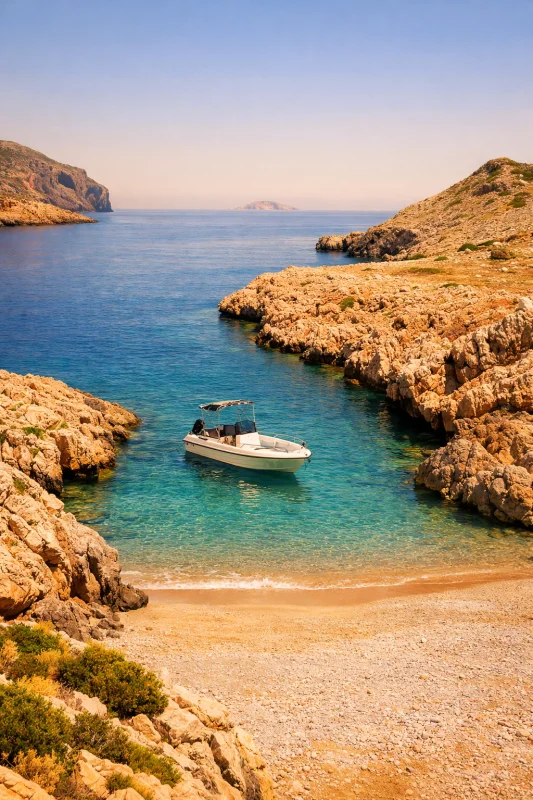
Antikythira is small, isolated and rarely spoken about, it sits quietly between Kythira and Crete, surrounded by deep water and an open horizon. This is an island you reach because you chose it or because you needed distance. From the moment you step onto Antikythira, you sense how far removed it is from momentum from tourism or development. The island does not resist modern life.
Geography Reduced to What Remains
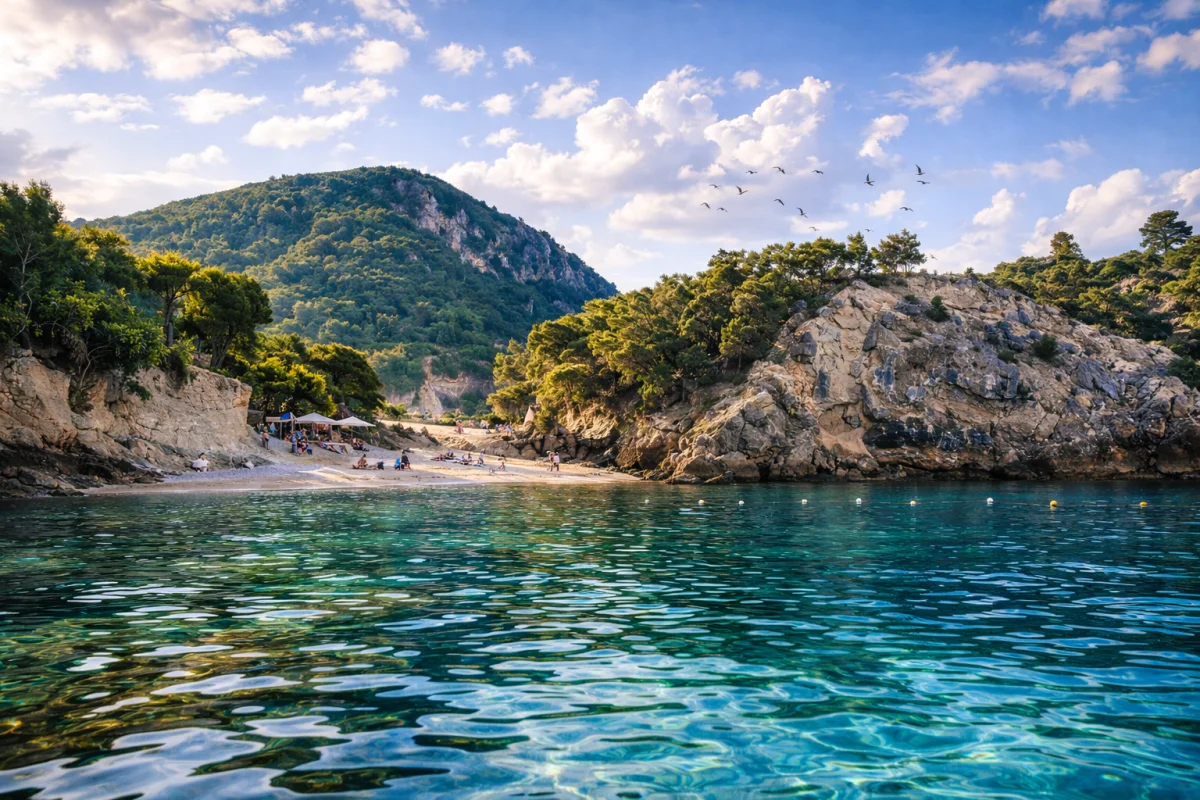
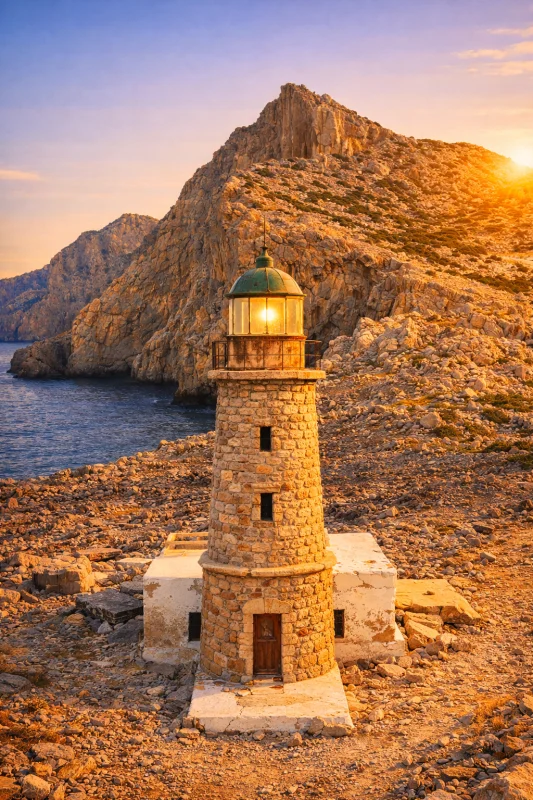
Antikythira is small and rugged, shaped by wind, stone and exposure. Hills rise gently but offer no shelter. Plants grow low and resilient. The land is open and spare, formed by rock and earth. The coastline is uneven. There are no long beaches, no soft transitions. The sea meets land directly, often abruptly. Water deepens quickly. The horizon feels close and vast at the same time. Everything about the landscape reinforces the same idea: nothing here is excess. Everything that exists does so because it survived.
A Place Defined by Isolation
Antikythira’s defining feature is its isolation. Routes here are limited. Weather decides access as much as schedules do. The island does not absorb people easily. Because of this, life developed inwardly. The island learnt to rely on itself, to function with little external support and to remain comfortable with long periods of quiet. This isolation is practical. It shaped how people built, moved and stayed.
One Settlement, Closely Held
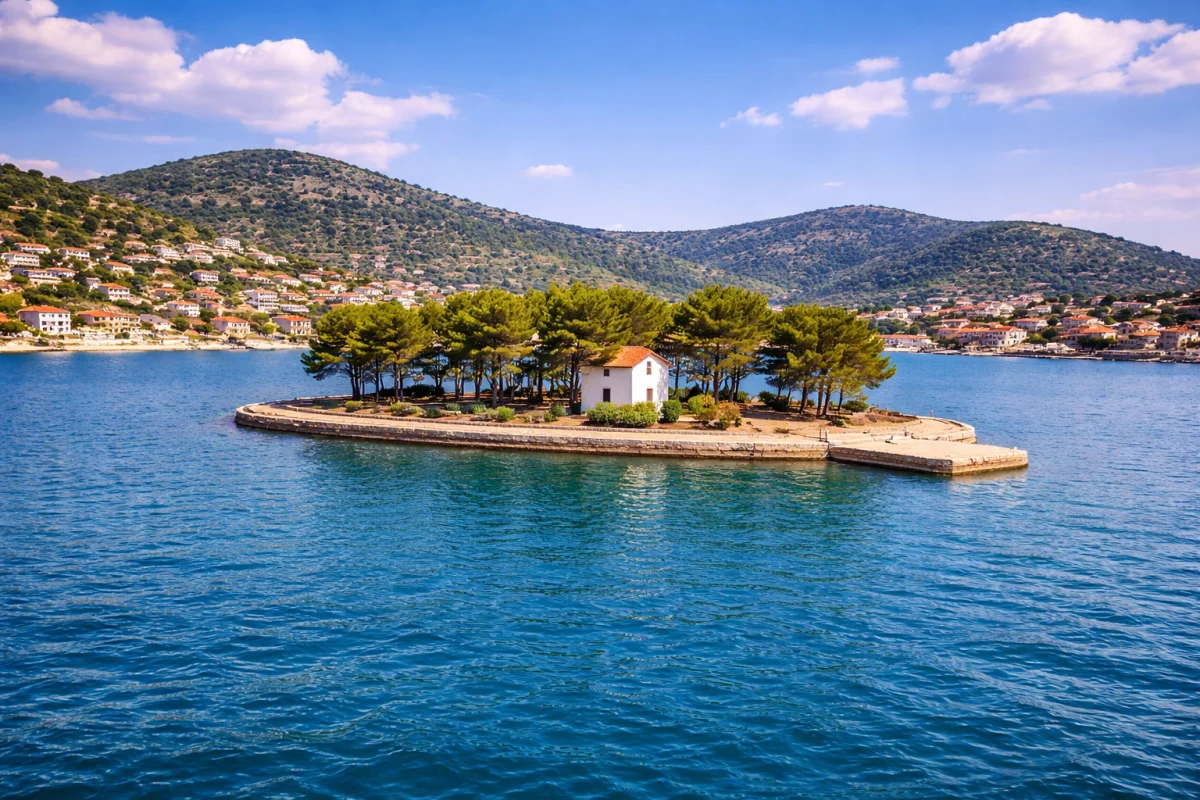
Life on Antikythira centres around a single small settlement near the harbour. Houses are modest and functional. Streets are few. There is no anonymity here. Everyone knows who is present. Arrival is noticed. Departure is remembered. Daily life unfolds without variation. Conversations repeat. Gestures are familiar.
A Known History
Antikythira is known globally for a discovery made nearby. It is most famous for the discovery of the Antikythera Mechanism, an ancient mechanical device found in a shipwreck near the island in 1901. Antikythira has been central to human understanding in one extraordinary moment.
The Sea as Boundary and Authority
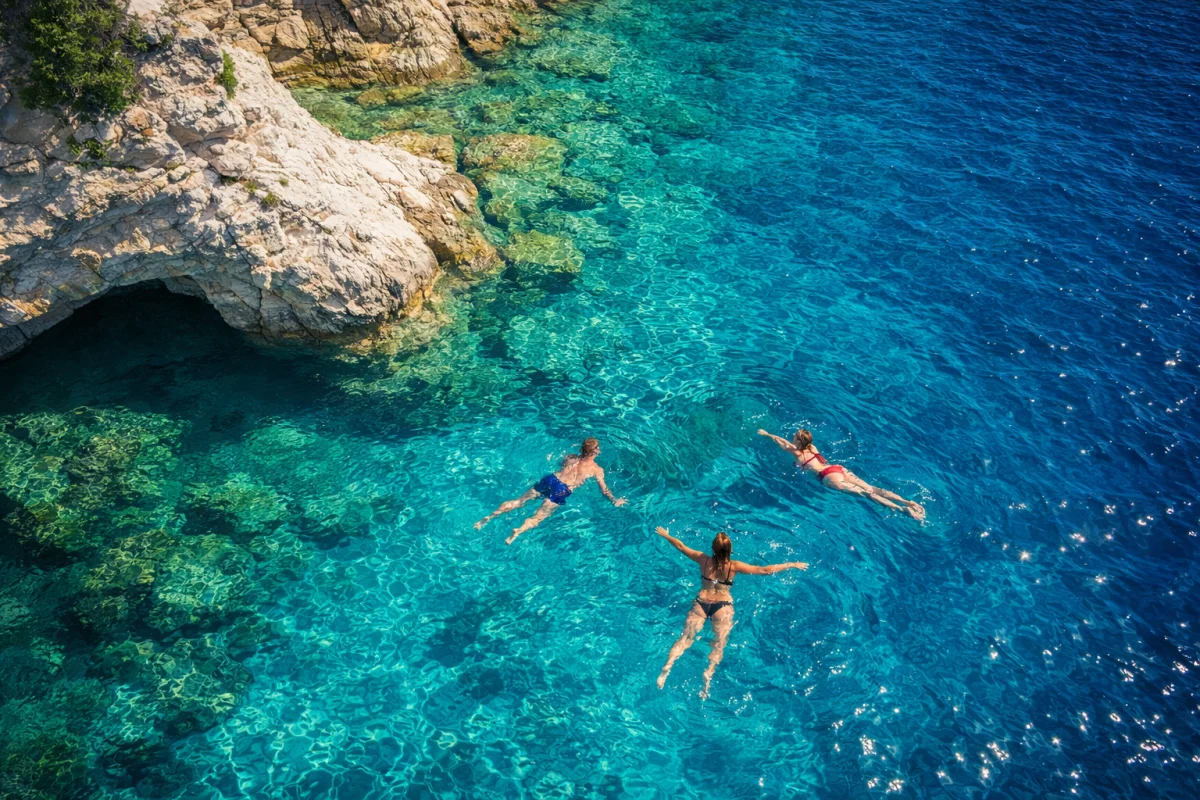
The sea around Antikythira is not forgiving. Winds shift quickly. Currents are strong. Conditions change without warning. Swimming here demands awareness. You feel depth immediately. You feel movement beneath you. The water is clear. The sea dictates rhythm. Boats leave when they can. Supplies arrive when conditions allow. Plans adapt. Here, the sea is not scenery. It is authority.
Nature Without Softness
Antikythira does not offer lushness or shade. Its beauty is austere. Light is strong. Silence is wide. Wind is constant. Walking here feels solitary even when you are not alone. Paths exist because people needed them, not because someone designed them.
The Food
Food on Antikythira is deeply practical. Meals are made from what is available, often simple and repetitive. There is little variety, but no waste. People eat together. Food sustains.
Visitors and the Island’s Limits
Antikythira receives very few visitors and it cannot hold many. Infrastructure is minimal by necessity, not by neglect. Expansion would break what keeps the island balanced. Those who arrive usually do so intentionally. Often seeking solitude, clarity or distance.
What Stays With You
People leave Antikythira with little to describe but much to feel. You remember the openness. The seriousness of the sea. The way silence felt physical rather than empty. You remember how little the island asked of you and how much that revealed. Antikythira offers distance and in that distance, many people find something rare: the feeling of being completely outside the noise, even for a short time and carrying that quiet with them when they leave.