An Island That Carries Scale Without Losing Its Centre
Kefalonia feels substantial the moment you begin to move through it. Not just large, but grounded. This is an island with real distance, real elevation and real variety, yet it never feels scattered or loud. Everything here seems to belong where it is, shaped by land and time rather than by convenience. Set in the Ionian Sea, west of mainland Greece, Kefalonia has always existed slightly apart. Close enough to be connected, distant enough to develop its own pace. The island doesn’t rush to introduce itself. It makes sense gradually, through repeated movement.
Geography That Demands Attention
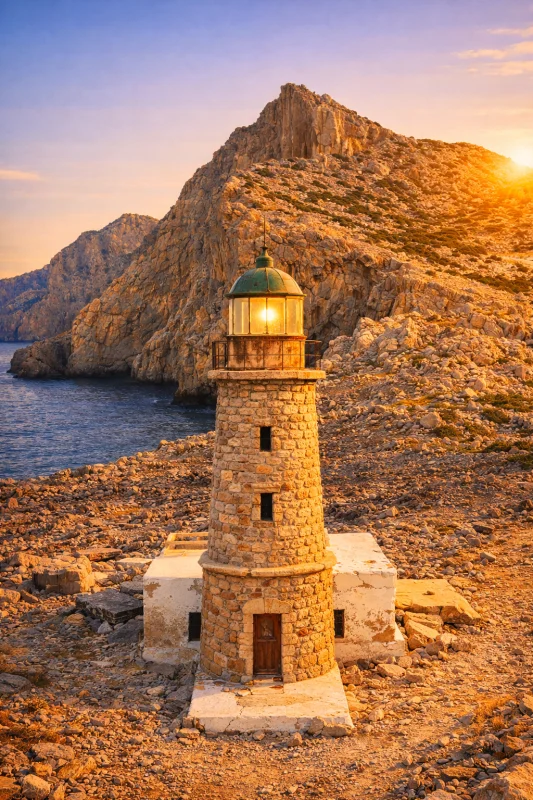
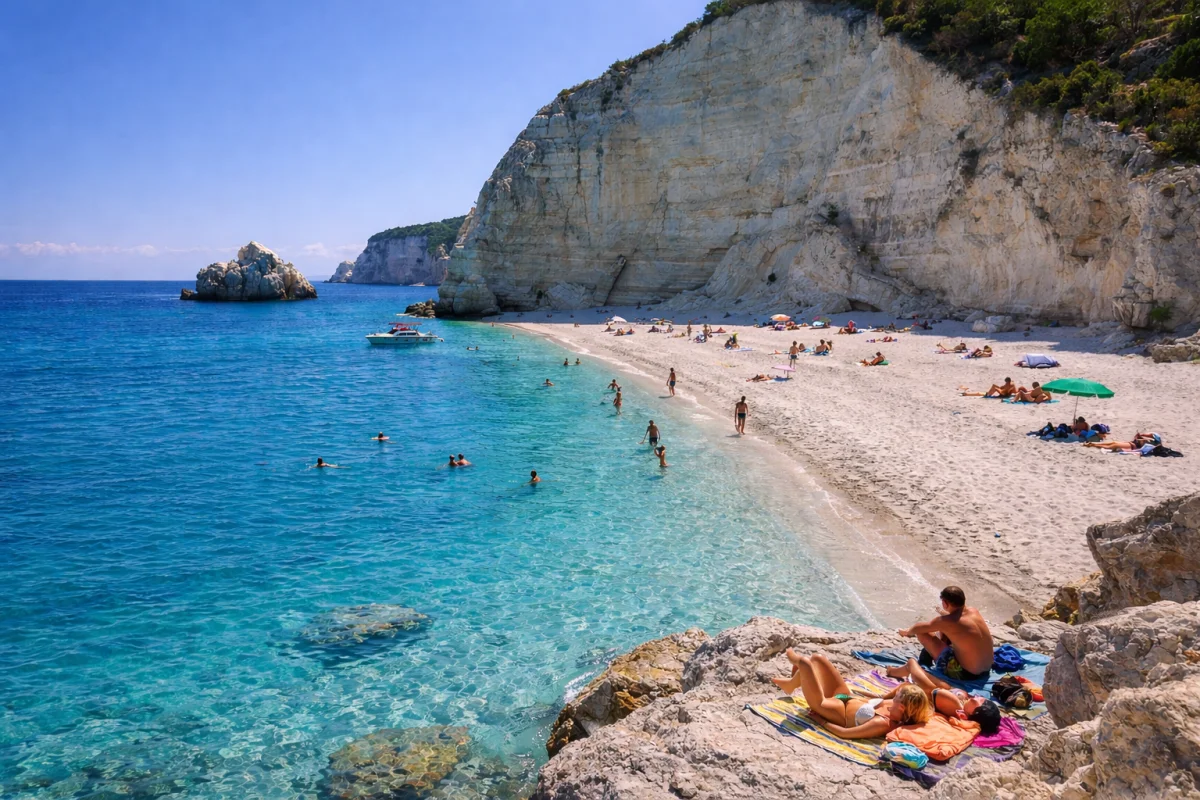
Kefalonia is mountainous and dramatic, defined by Mount Ainos rising high at its centre. Forested slopes, steep drops and deep valleys give the island a vertical presence that shapes everything, roads, villages, weather and daily rhythm. Moving across the island takes time. Roads climb and descend. Views open suddenly, then close again. You don’t skim Kefalonia. You navigate it. The coastline mirrors this intensity. Cliffs plunge into deep water on one side, while broad bays and long beaches soften the other. The island never settles into one mood for long. It keeps shifting.
An Island Marked by Rupture and Rebuilding
Kefalonia’s modern history is shaped by a defining rupture. A powerful earthquake in the mid-20th century reshaped much of the island, levelling towns and villages almost entirely. What exists today is the result of rebuilding, practical, deliberate and grounded. Because of this, traditions survived through people rather than buildings. Life continued because it had to. That resilience still defines the island’s character. There is strength here, but little sentimentality.
Towns That Feel Functional and Lived-In
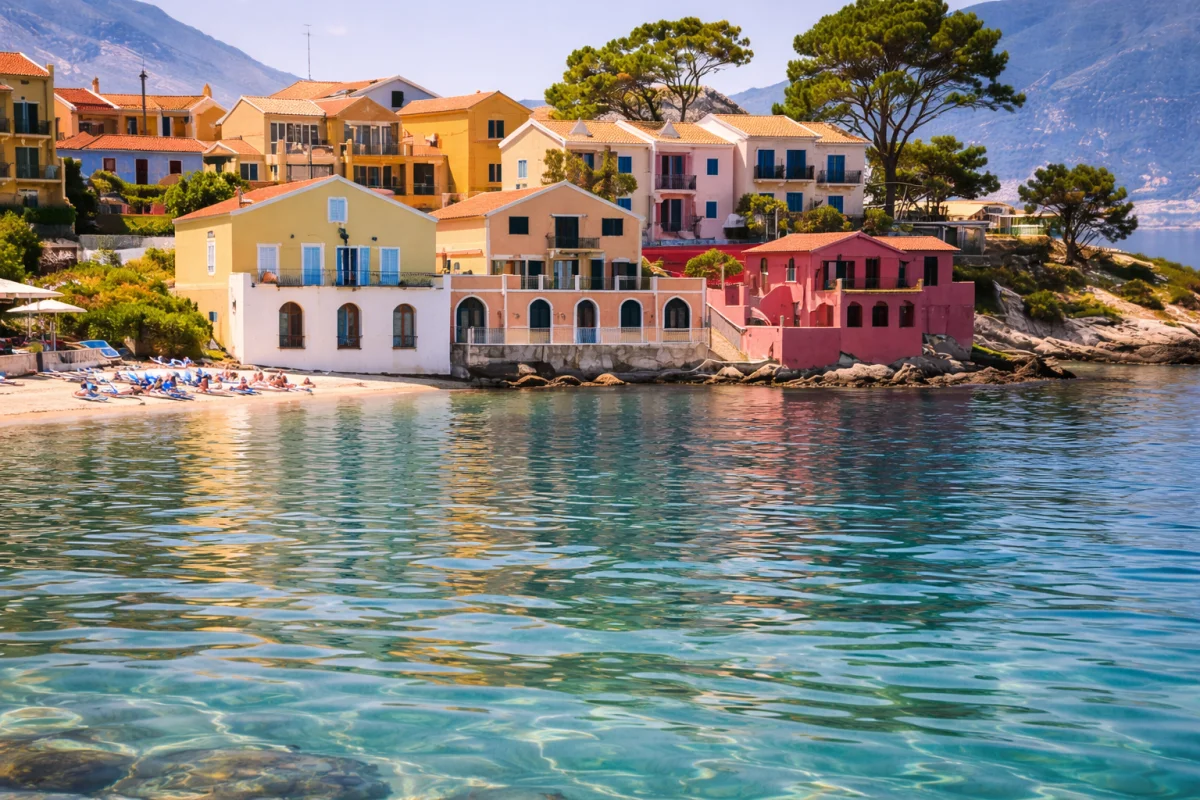
Argostoli, the island’s main town, sits along a wide bay and feels open rather than dense. It functions as a real centre-administrative, social and practical. People move with purpose. Cafés fill and empty. Life feels continuous. Other towns and villages feel self-contained. Some sit by the sea, shaped by fishing and weather. Others climb into hills, where life feels quieter and more inward. None feel arranged for display. They exist because people live there.
Villages Rooted in Land and Routine
Away from the main towns, Kefalonia’s villages feel anchored to their surroundings. Houses cluster where land allows. Paths follow terrain. Shade and shelter matter. Life here moves steadily. Cafés open early. Conversations stretch. People know the weather before it arrives. Visitors fit into this rhythm rather than altering it. The island does not adjust itself for attention.
The Sea as Presence and Power
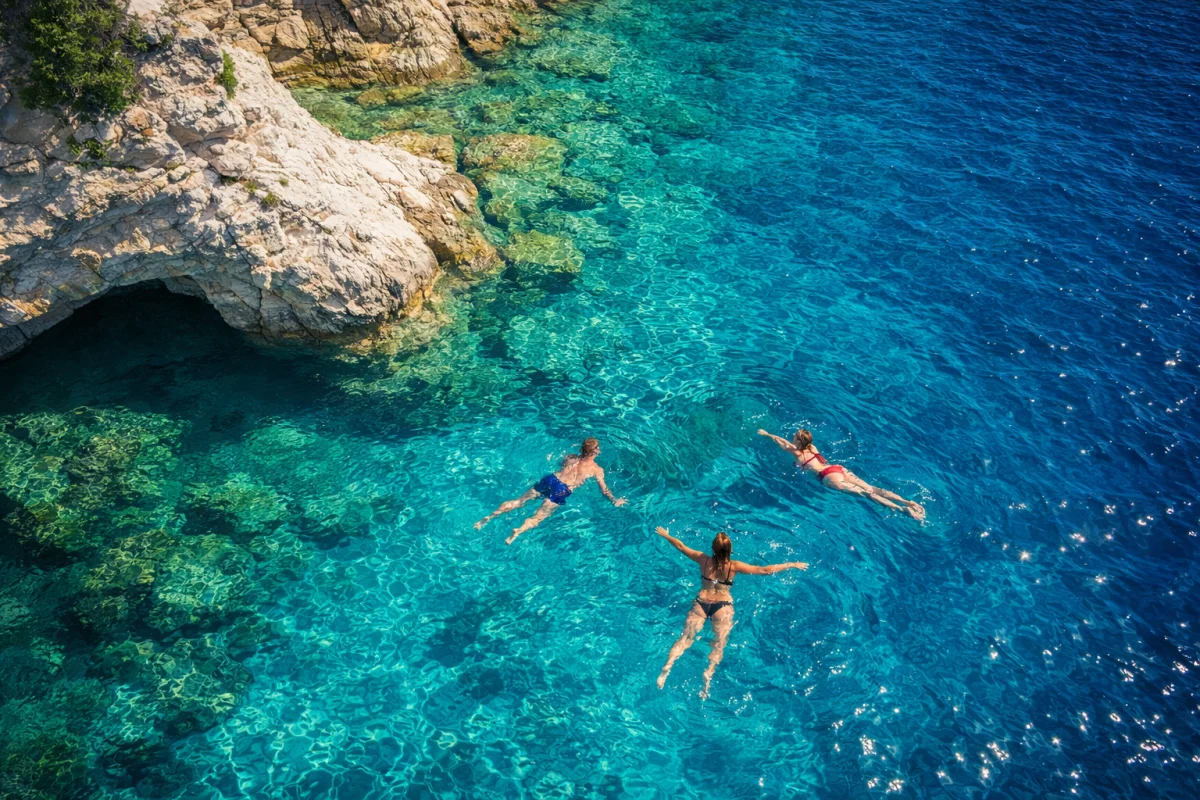
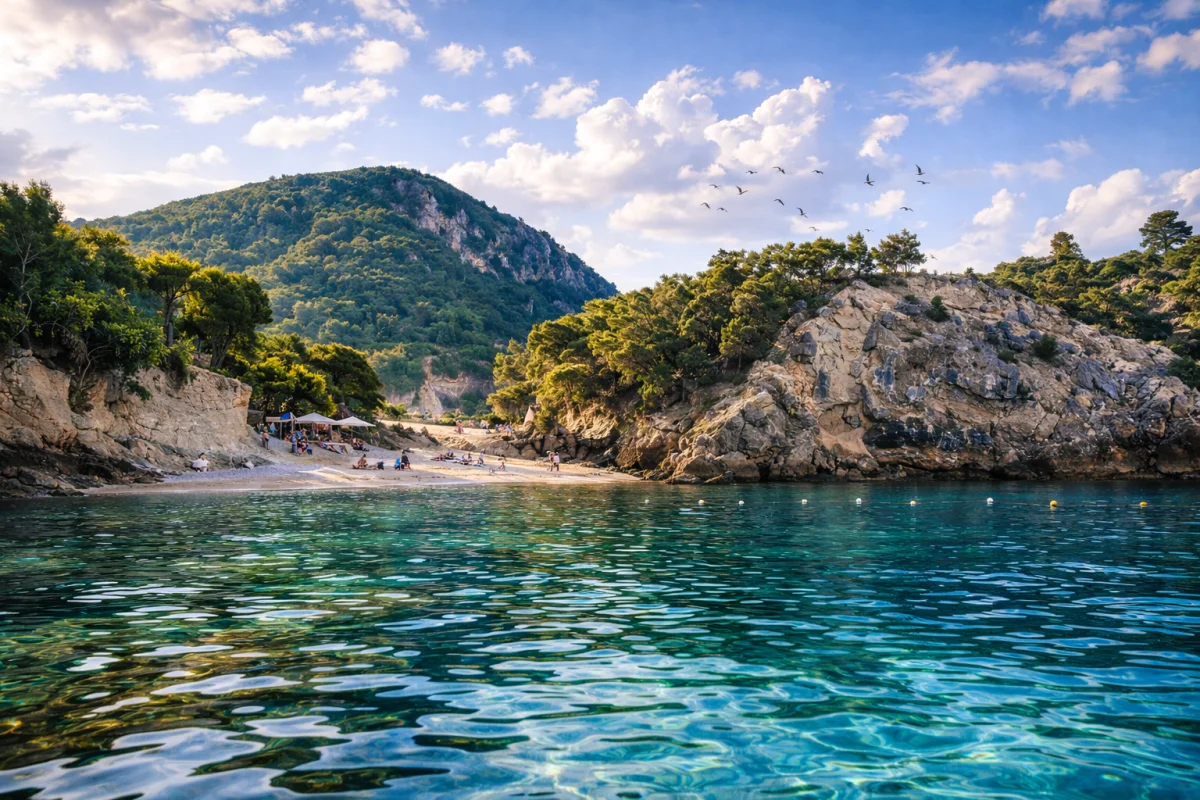
The Ionian Sea around Kefalonia is clear, deep and expressive. Some days it feels calm and forgiving. Other days it carries force and movement that demands respect. Swimming here can feel expansive. Depth arrives quickly. Light penetrates far. You feel aware of space beneath you. Beaches vary widely, from wide, open arcs of sand to smaller coves shaped by stone. Some require effort to reach and that effort changes how they’re experienced.
Food That Reflects Place
Food on Kefalonia feels tied to land and sea rather than trend. Olive oil, vegetables, fish and meat form the base of daily meals. Dishes repeat because they work. Meals are social but grounded. Taverns feel local first. Eating stretches into conversation naturally. Food here nourishes rather than performs.
Movement That Shapes Time
Because of its size and terrain, Kefalonia slows you down without asking. Distances matter. Roads demand attention. You don’t jump easily from place to place. This changes how time feels. Days feel full without being rushed. You choose where to go and staying put often feels just as satisfying. The island rewards patience.
Nature That Feels Present, Not Decorative
Kefalonia’s natural landscape is not background. It participates. Mountains affect weather. Forests shape light. Sea conditions change plans. This presence creates a sense of awareness. You pay attention here, to wind, to temperature, to distance. Nature doesn’t frame experience. It directs it.
Visitors and Balance
Kefalonia receives visitors, but it doesn’t compress itself for them. Its size absorbs attention without strain. Busy areas exist, but they don’t define the whole. Those who move beyond the obvious discover it quietly and quickly. Space remains available. The island holds its balance naturally.
Why Kefalonia Feels Solid
Kefalonia feels solid because it has been tested. By geography. By history. By scale. It didn’t emerge delicate or performative. Life here feels capable. Adaptable. Unshowy. The island doesn’t offer escape through softness. It offers grounding through substance.
What Stays With You
People leave Kefalonia remembering contrast, high land and deep water, effort and ease, exposure and shelter. You remember how movement mattered. How places felt earned. You remember how the island didn’t explain itself but made sense once you spent time with it. Kefalonia leaves a feeling of presence. An island that stands firmly where it is and lets you meet it on those terms.