Salamina is close to Athens in a way that feels almost misleading. You can see the city from parts of the island. You can hear it at times and yet, Salamina feels separate. Heavier. More grounded. Less concerned with being a place you pass through for pleasure. It is an island built around living. People work here. Families stay here. History sits close to the surface, not preserved behind ropes, but folded into everyday space. Things to do on Salamina are not about chasing highlights. They are about understanding how the island moves and where it slows.
Arriving on the Island
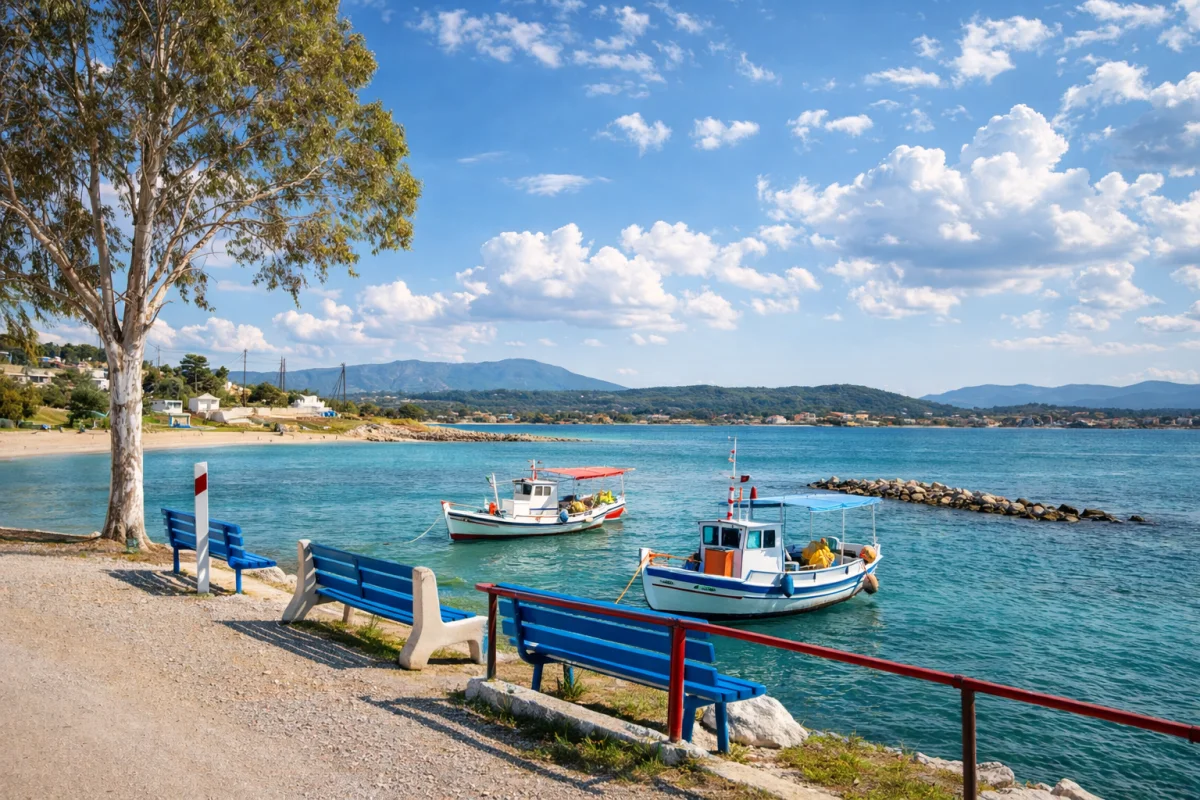
Most arrivals happen through Paloukia, the main port. Ferries cross constantly and the crossing itself is short. But the feeling on arrival is different from other nearby islands. Salamina does not feel delicate or light. It feels solid. The port is busy, practical and loud at times. Cars, people, supplies. Nothing is hidden. This is part of understanding the island. Salamina does not soften at the edges. One of the first things to do is simply to observe. Sit near the port. Watch the movement. Listen. This is not the island at rest. This is the island at work.
Walking Through Salamina Town
Salamina Town feels spread out and functional. Streets are sometimes wide in places and narrow in others. Shops serve daily needs. Cafés fill with regulars. Walking here is not about charm. It is about rhythm. People walk with purpose. Conversations happen naturally. Nothing is arranged to be noticed. The island shows its character slowly. In routines. In repetition. In how spaces are used rather than how they look.
Visiting the Battle and Historical Sites
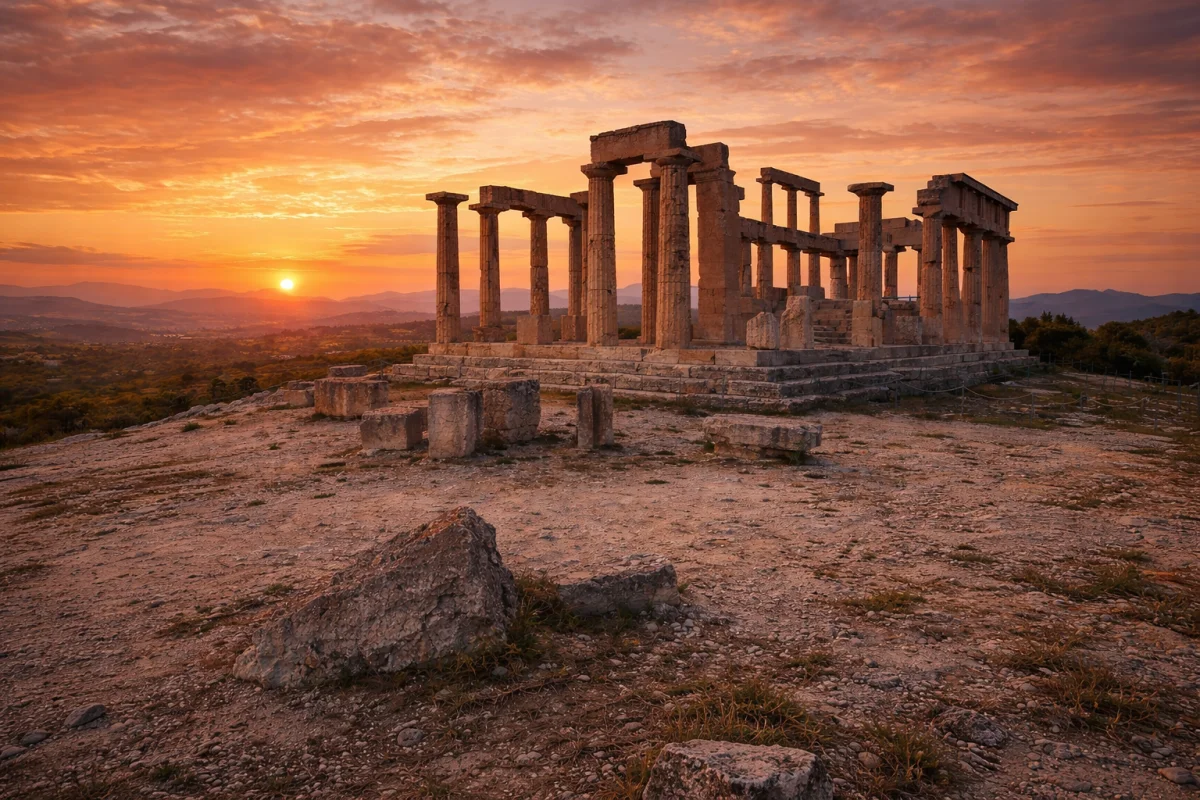
This coast is where a naval battle that shaped Greek history was fought. You do not need a monument to feel it. Standing by the water, looking across the strait, you understand why this place mattered. The narrow passage. The way sound carries. The way the sea moves differently here. Walking along the coastline near these areas feels heavy in a quiet way. Not dramatic. Just weighted. History here does not announce itself. It stays close and steady.
Exploring the Coastline
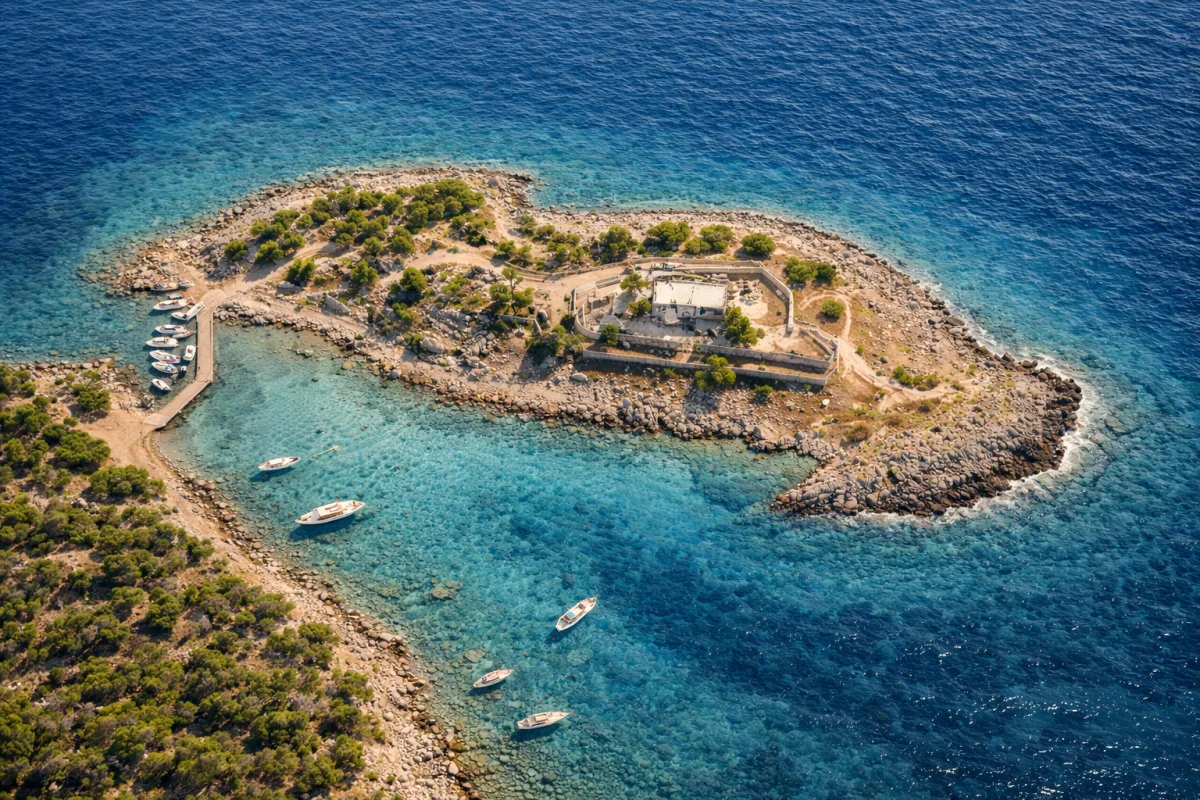
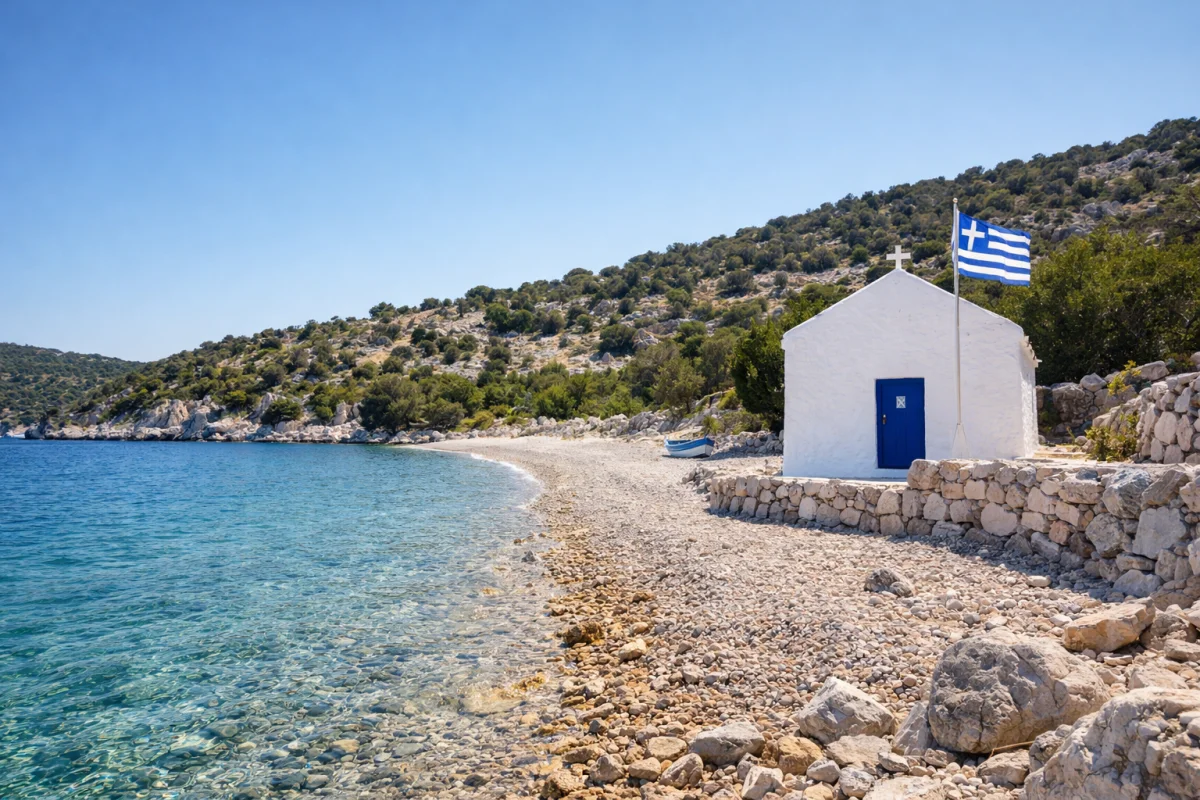
Salamina’s coastline is long and varied. Some areas feel industrial. Others feel open and calm. You move between them quickly. One of the most interesting things to do is drive or walk along the coast and notice how it changes. Small fishing spots. Quiet coves. Working harbours. Family beaches. Some beaches are simple stretches of sand. Others are rocky edges where ladders lead into deep water. Swimming here feels practical, not decorative.
Swimming
Swimming on Salamina is not an event. It is part of daily life. People swim before work. After work. In between errands. The water varies depending on where you are. In quieter coves, it feels calm and contained. In open stretches, currents remind you where you are. One of the best things to do is swim where locals swim. Not where signs point. Watch where people stop their cars. Where towels appear briefly. Where swimming fits into life instead of interrupting it.
Visiting Smaller Villages
Away from the main town and port, villages are quieter. Walking through these areas feels quieter. Streets empty earlier. Conversations feel familiar. Spending time here is about sitting somewhere long enough to feel included. Order a coffee. These villages show Salamina at rest.
Eating as Part of the Day
Eating on Salamina is not separated from the rest of life. Taverns serve regulars. Food is familiar. Portions are generous without being showy. Fish is important. Grilled, fried and served simply with a salad, served with bread. One of the most interesting things to do is eat where menus are short. Where choices reflect availability rather than trend. Meals stretch because no one pushes you to leave. Food here supports routine. It does not try to impress.
Walks and Quiet Roads
Salamina is not known for forests or dramatic views. Inland walks feel quieter. Gentle hills. Dry land. Scattered trees. Walking inland feels exposed. Wind moves freely. Sound travels. You feel the land rather than being sheltered by it. These walks are not long or demanding. They are about distance from noise. About stepping away from the coast and into stillness. Stopping somewhere inland gives you a sense of how the island holds itself together.
Everyday Life as an Experience
One of the most interesting things to do on Salamina is to observe everyday life without turning it into something else. Watching children walk home. Watching people wait. Watching boats unload. These moments are not attractions, but they shape the island more than any landmark.
Evenings Without Transformation
Evenings on Salamina do not change the island’s character. They soften it slightly, but life remains grounded. People gather at cafés. Streets quiet down. The port slows but does not sleep. There is no clear transition into nightlife. The island does not become something else after dark. It simply lowers its volume. Spending an evening here often means sitting somewhere familiar and letting the day settle.
Short Drives and Repetition
Driving around Salamina is part of understanding it. You pass the same places often. Roads loop back. Views repeat. This repetition matters. The island becomes familiar quickly. You stop looking for new things and start noticing small changes instead. A different light. A quieter street. A familiar face. This is when Salamina opens up.
Why Salamina Feels Different
Salamina is not shaped by tourism first. It is shaped by work, history and routine. That gives it weight. Things to do here are not designed. They exist because people live here fully. Walking. Swimming. Eating. Sitting. Watching. These are not filler activities. They are the island itself.
Leaving the Island
Leaving Salamina feels practical. Ferries arrive and depart constantly. There is no sense of finality. You do not leave with a collection of images. You leave with an understanding. Salamina stays with you because it felt real.