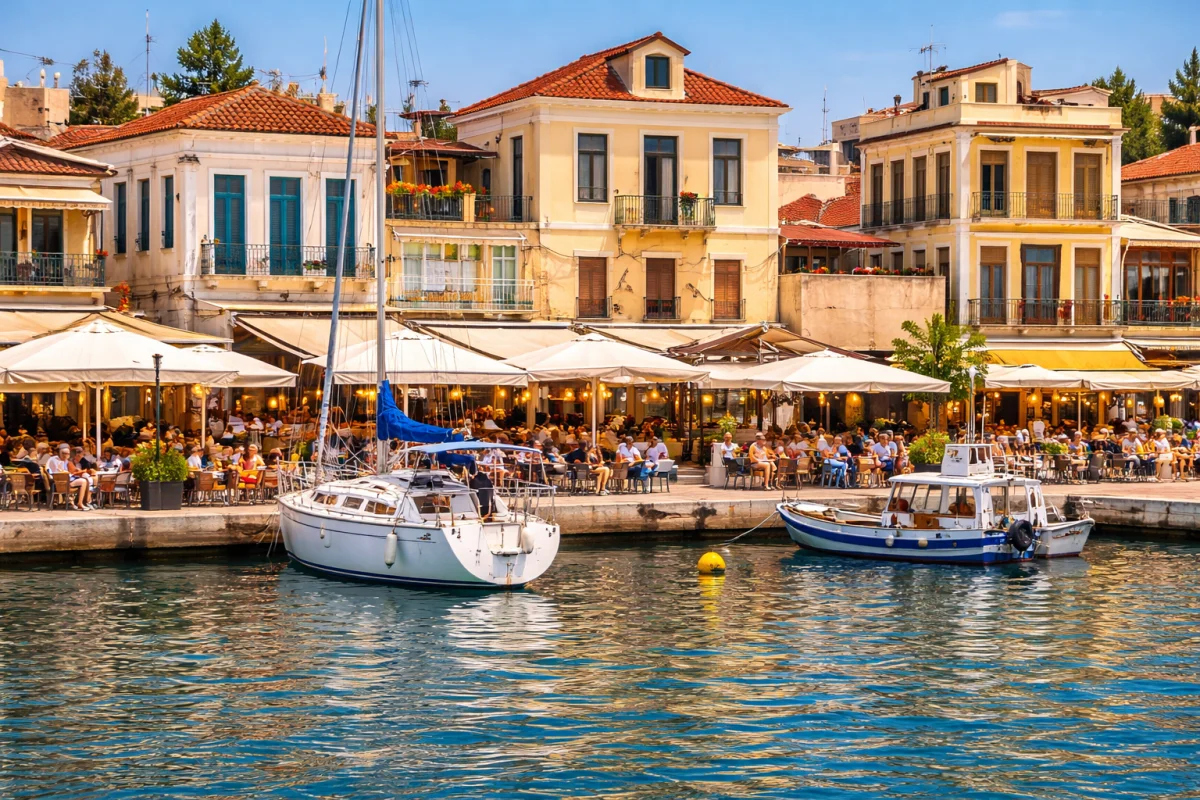
Aegina is close to Athens. The ferry ride is short, yet the change is immediate. The pace drops. The air feels different. The island has its own rhythm, shaped by habit, trade and daily life rather than by escape. It's best appreciated at a leisurely pace. What makes it interesting is not one single attraction, but the number of small, grounded experiences that fill a day without effort.
Walking the Port and Old Town
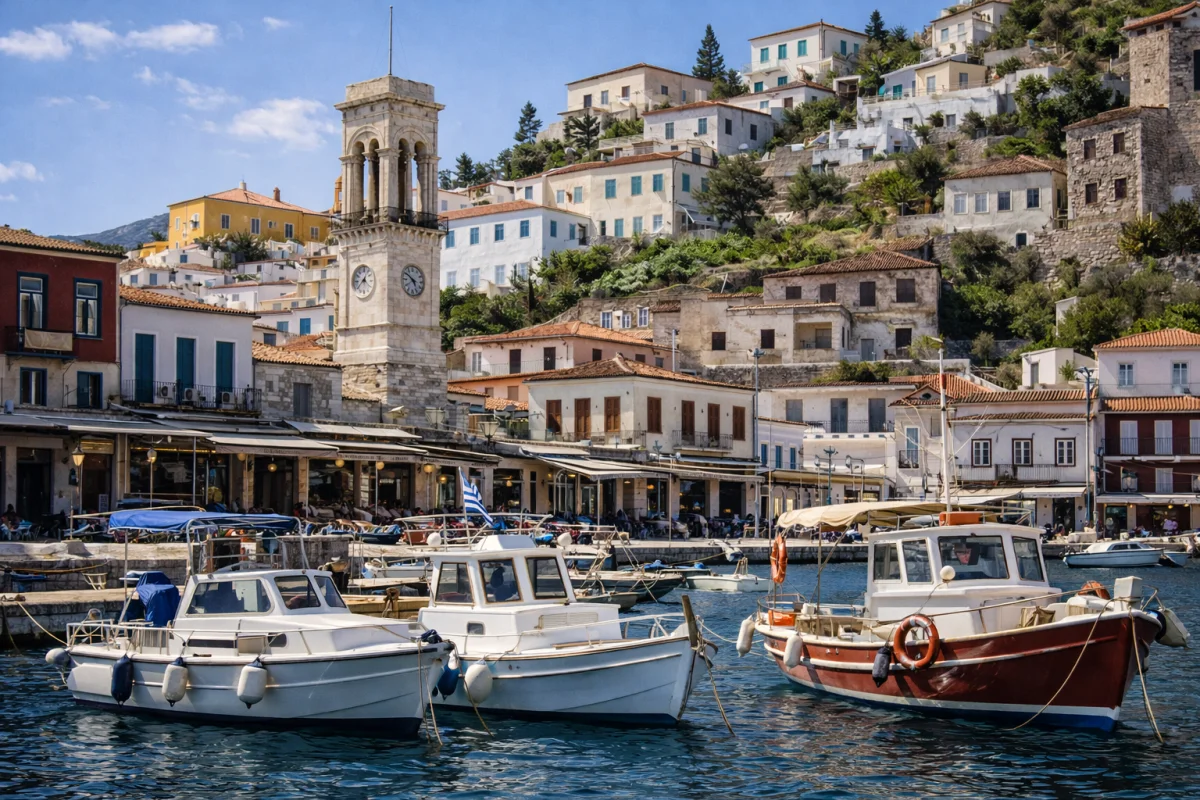
One of the simplest things to do in Aegina is to walk. The main port is active but not chaotic. Fishing boats, ferries, small yachts and local water taxis all share the same space. People sit at cafés near the water to pass time. Walking along the harbour in the morning feels different than in the evening. Early on, the port belongs to workers. Shops open slowly. Fishermen unload. Locals greet each other without ceremony. Later in the day, the space softens. Movement slows. Conversations stretch. Behind the port, narrow streets lead into the old town. These streets are not arranged for visitors. They bend, narrow and open unexpectedly. Small bakeries, old houses and everyday shops sit side by side.
Visiting the Temple of Aphaia
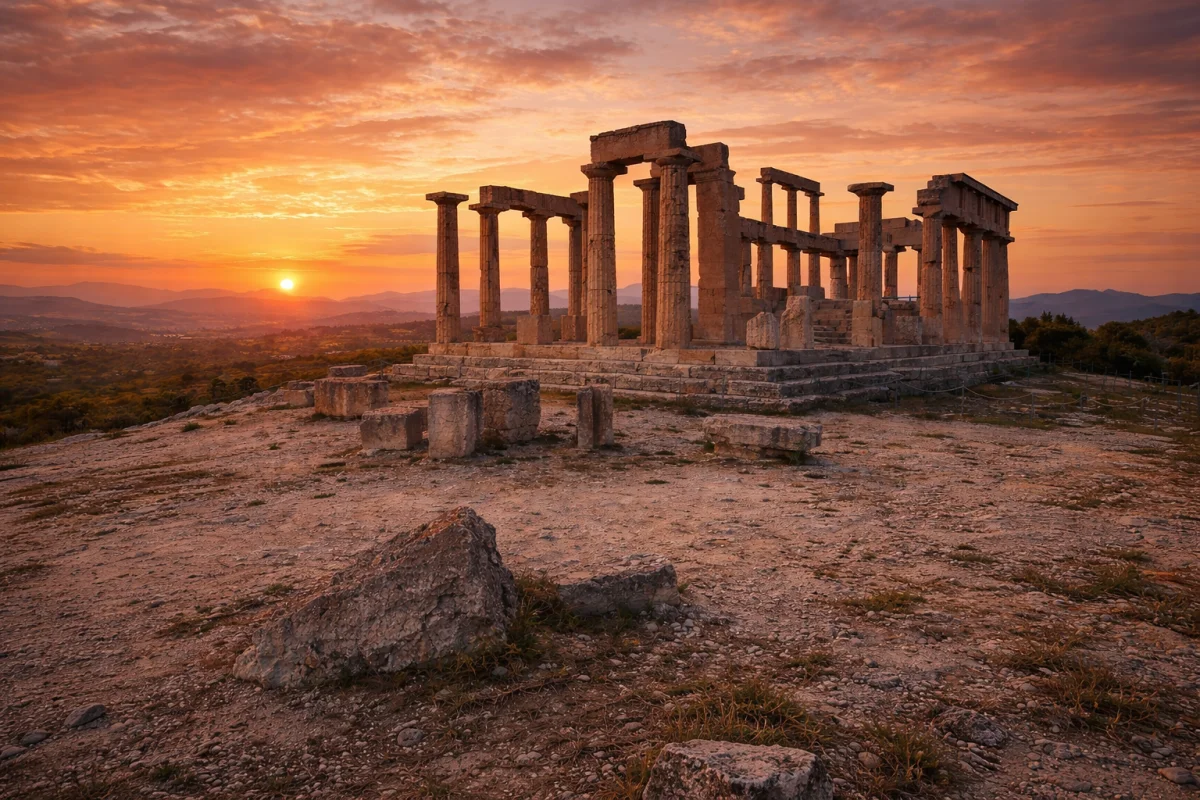
A short drive inland takes you to the Temple of Aphaia. The approach is quiet, surrounded by pine trees and open sky. Standing there, the island feels older than the town below. The view stretches out across the sea, toward other islands and the mainland. It is easy to understand why this spot mattered. It is not only about the structure itself but also about where it stands. Visiting the temple is not a loud experience. People speak softly. Wind moves through the columns. You do not stay long, but the feeling lingers.
Exploring Perdika
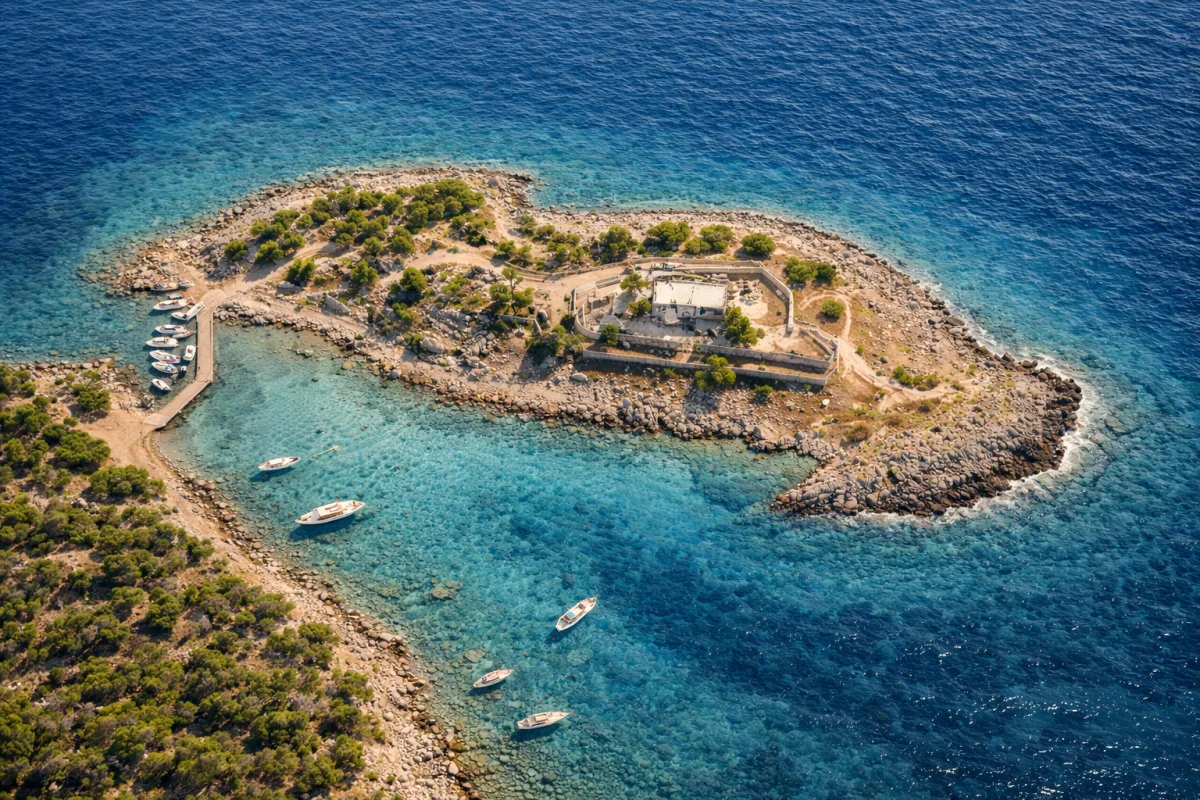
Perdika is a small fishing village on the southern side of the island. Getting there already feels like a change. The road narrows. The surroundings become quieter. The village sits right on the water. Tables line the edge of the sea. Boats are tied just a few steps away. There is no separation between eating, walking and watching the water. Spending time in Perdika is about sitting rather than doing. You order food slowly. You watch the light move. You listen to conversations around you. The village does not ask for attention. It offers stillness. From here, small boats leave for nearby islets. The ride is short, but it feels like leaving everything behind.
Swimming and Beach Time
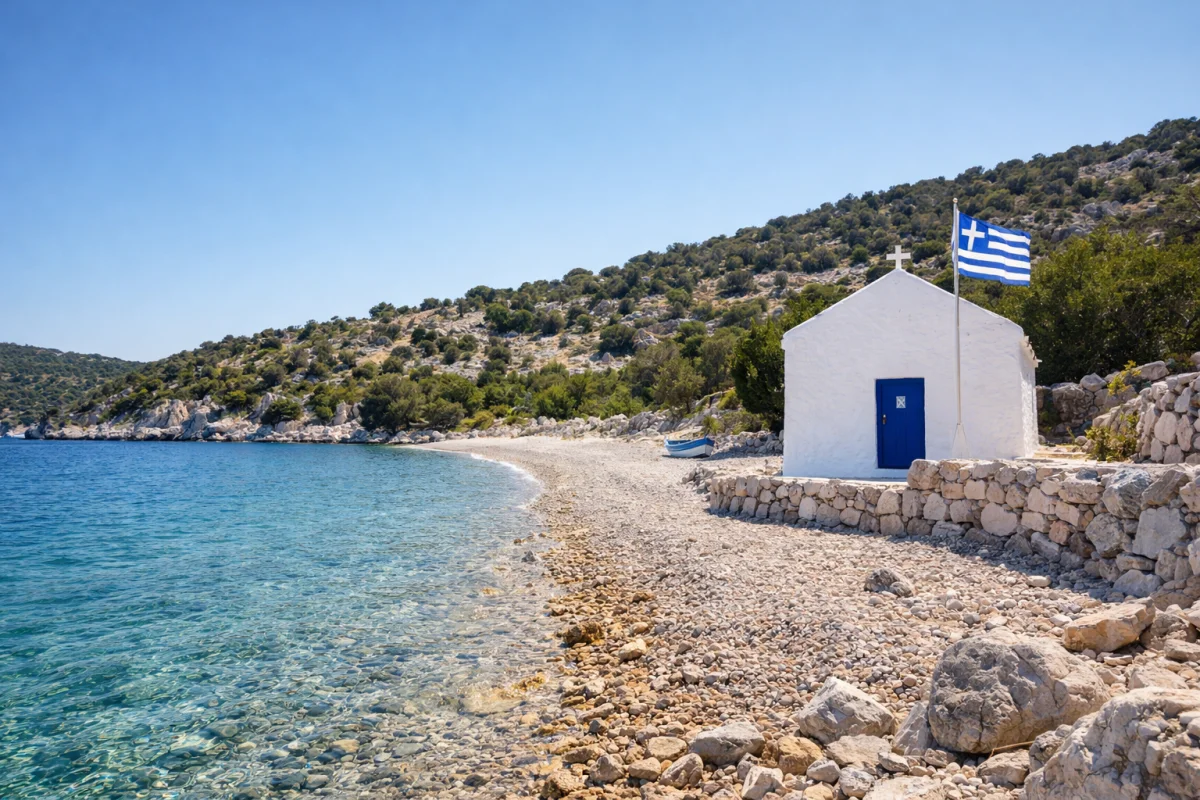
Aegina’s beaches are varied and each feels different depending on where you go. Some are close to town and easy to reach. Others take a drive and a short walk. On the eastern side, beaches tend to be calmer, with shallow water and soft movement. Friendly and welcoming places. On the southern and western parts of the island, the coastline feels rougher. Pebbles replace sand. The water deepens quickly. Swimming here feels quieter and more focused. You notice the temperature. You notice depth. Many beaches remain simple. Shade comes from trees or umbrellas placed without excess. You bring what you need. You stay as long as you want.
Pistachios and Everyday Food
Aegina is closely tied to Pistachios and you notice it everywhere. Small shops sell them roasted, salted, mixed with honey or ground into sweets. Locals treat them as part of daily life, not as souvenirs. Trying pistachio-based food is less about novelty and more about understanding how deeply it belongs to the island. Ice cream, pastries and even savoury dishes include it naturally. Beyond pistachios, food in Aegina is simple. Taverns serve what is available. Fish, vegetables, bread and local wine form the base of most meals.
Day Trips around the Island
Driving around Aegina is an experience in itself. The island is small, but it changes often. Villages appear and disappear quickly. Fields, orchards and dry land alternate. A roadside café. A quiet church. A viewpoint overlooking the sea. These unplanned moments often stay longer than scheduled stops. The northern side of the island feels quieter and more rural. The south feels closer to the sea. Life is slow-paced.
Monasteries and Quiet Spaces
Aegina has several monasteries, each one different and each offers a different atmosphere. To visit them is not about religion alone. It is about stepping into silence. Paths leading to these places are often quiet. Trees provide shade. The sound of the island fades as you approach. Inside, time feels suspended. Even if you do not stay long, these places reset your pace. You leave, speaking more softly than before.
Evening Life
Evenings in Aegina do not demand entertainment. People walk. They sit. They eat slowly. The island does not turn loud after dark. Cafés and taverns fill up with people, full of soft conversations. Spending an evening here often means doing very little and feeling satisfied with that. Watching the port. Listening to distant sounds.
What Remains
Moments here have become meaningful. Buying bread. Sitting on a bench. Watching a ferry arrive. None of these are attractions, but together they shape the experience. The island allows memories to form on their own.
Why Aegina Works
Aegina is close enough to feel accessible but distant enough to feel separate. It does not rely on spectacle. It relies on balance. Things to do are parts of daily life you step into for a while. Walking. Swimming. Eating. Sitting. Watching.
Leaving the Island
Leaving Aegina often feels unfinished, in a good way. You feel like you could return and do the same things again, differently. Sit at a different table. Swim at another beach. Walk the same street at another hour. That is what makes time spent in Aegina feel complete without ever feeling full.