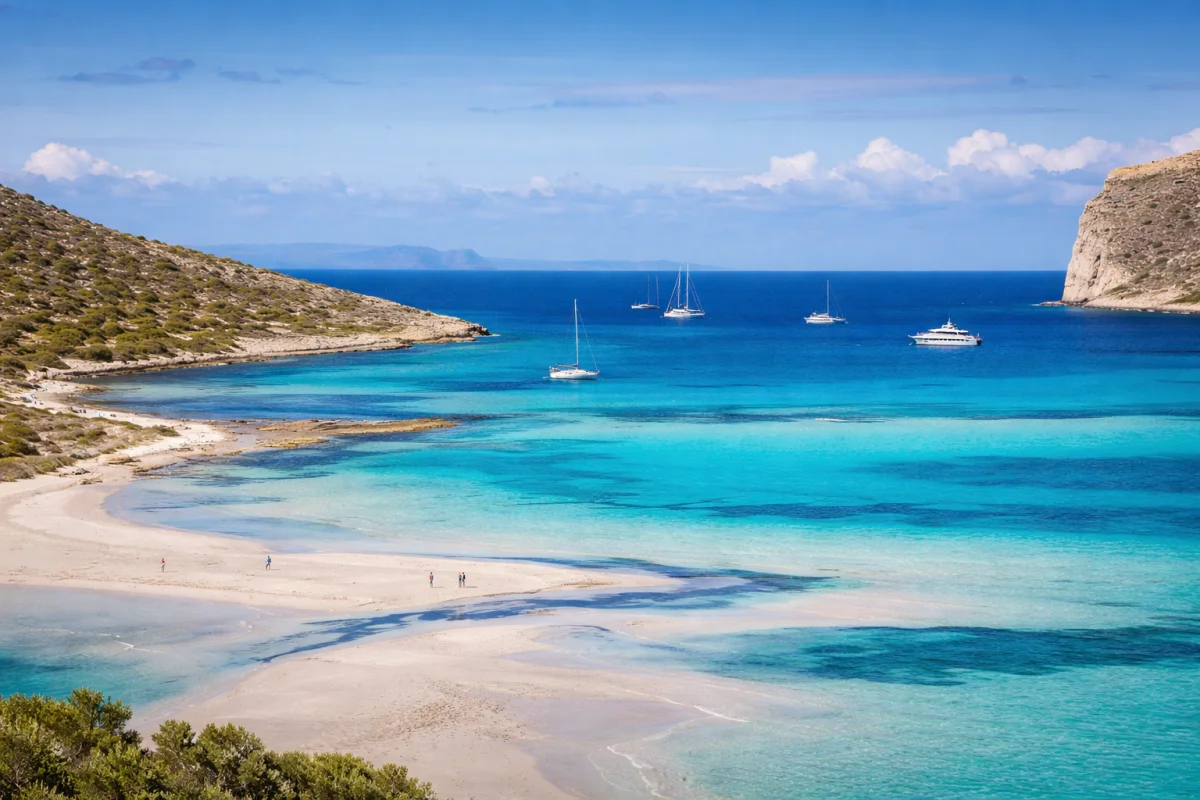
Dia feels close to Crete, yet removed from it in a way that is immediately noticeable. You can see the northern coast clearly, but the island itself feels separate from the rhythm of the mainland. There are no towns, no roads and no signs of everyday life continuing in the background. This is not an island you pass through casually. You come here deliberately, usually by boat, knowing that once you arrive there will be very little to do in the usual sense. What Dia offers instead is space, stillness and a feeling of pause that is rare so close to a large city.
The First Impressions
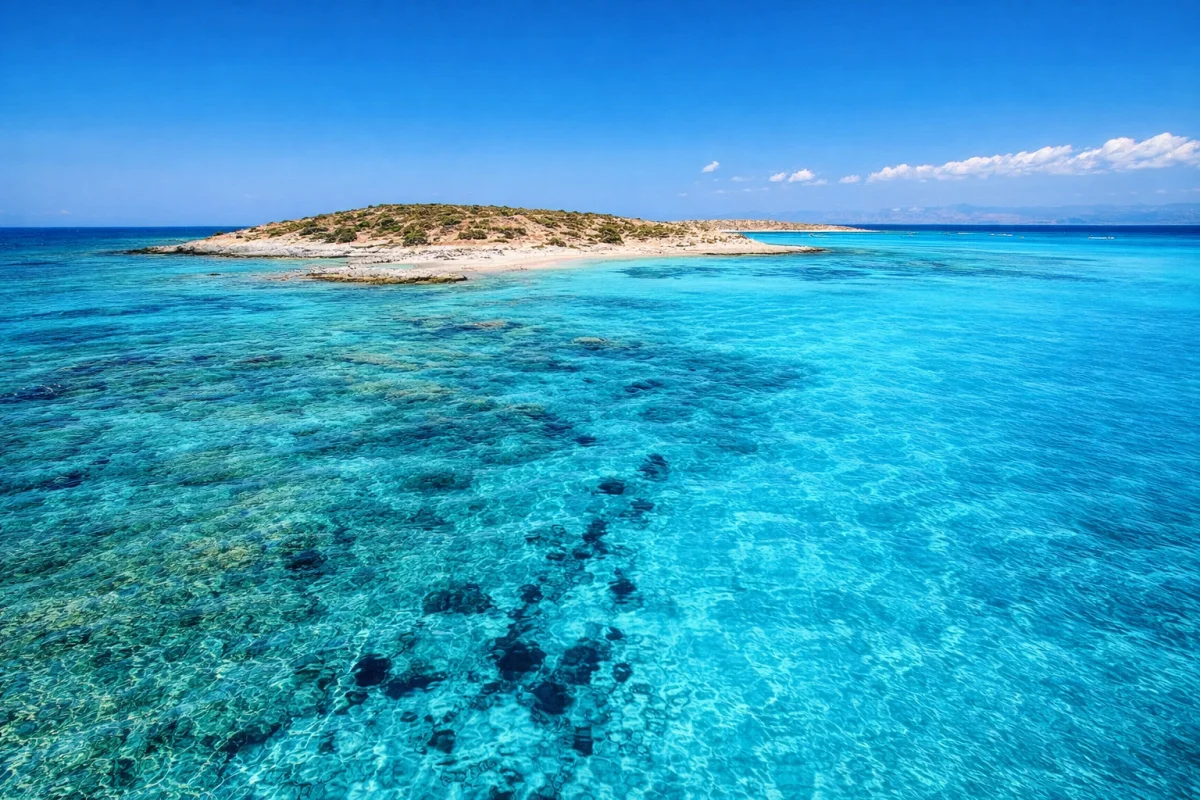
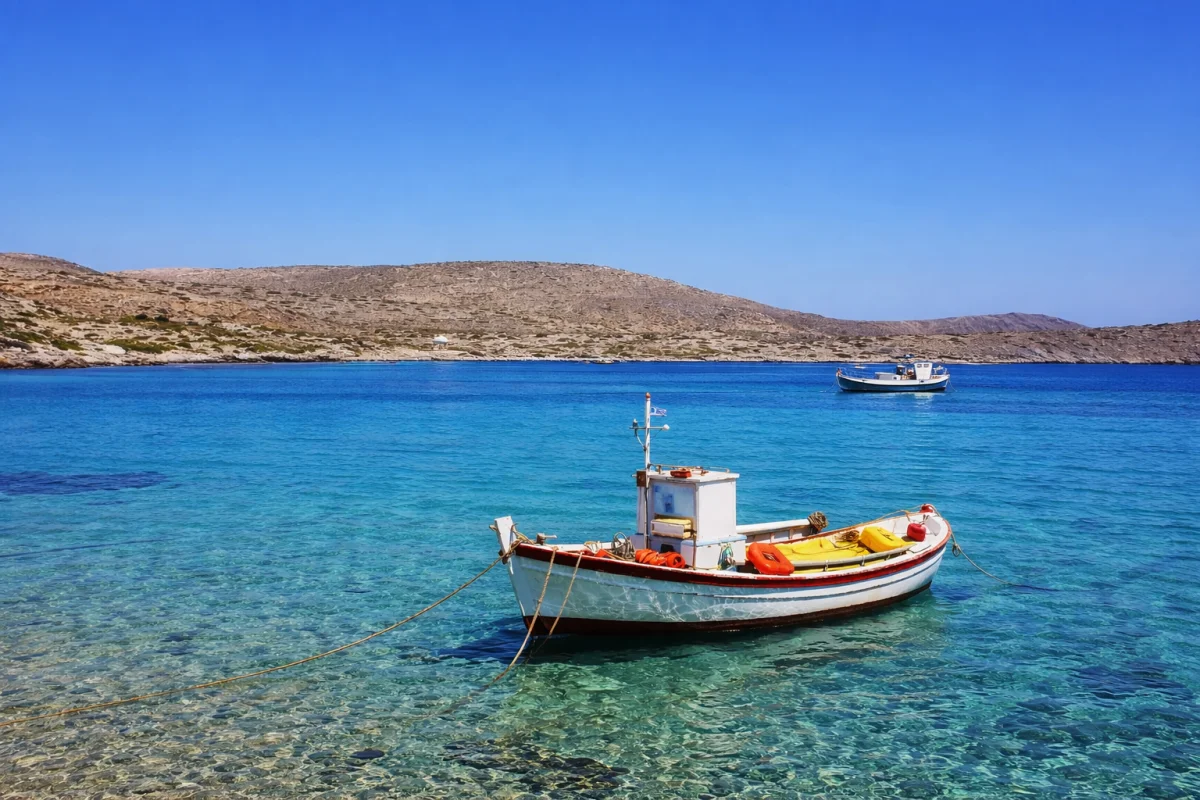
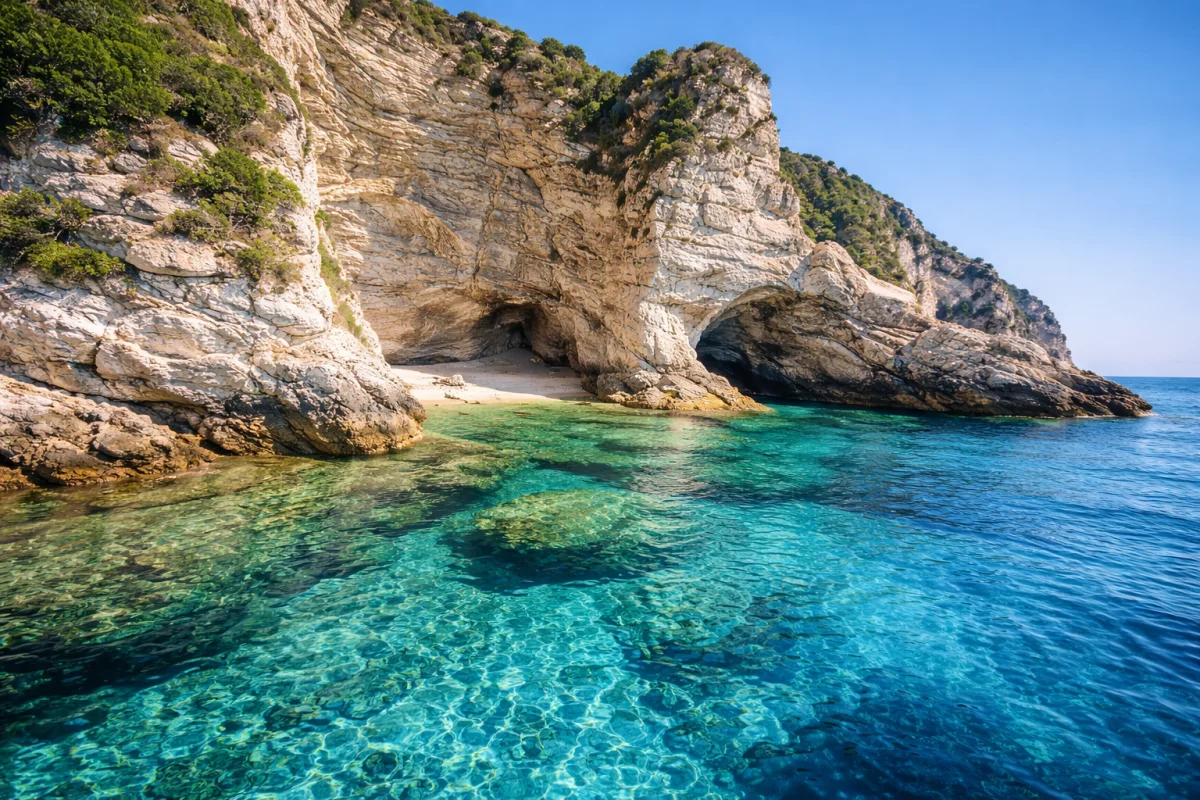
When approaching Dia by sea, the island looks dry and rugged. The colour palette is simple. Pale rock, dry earth and deep blue water. There is no harbour in the traditional sense. Boats anchor in sheltered coves. You step onto land that feels untouched, as if no one has ever been there. There is no sense of arrival being managed or softened. You arrive and the island remains as it was before you.
The Shape of the Island
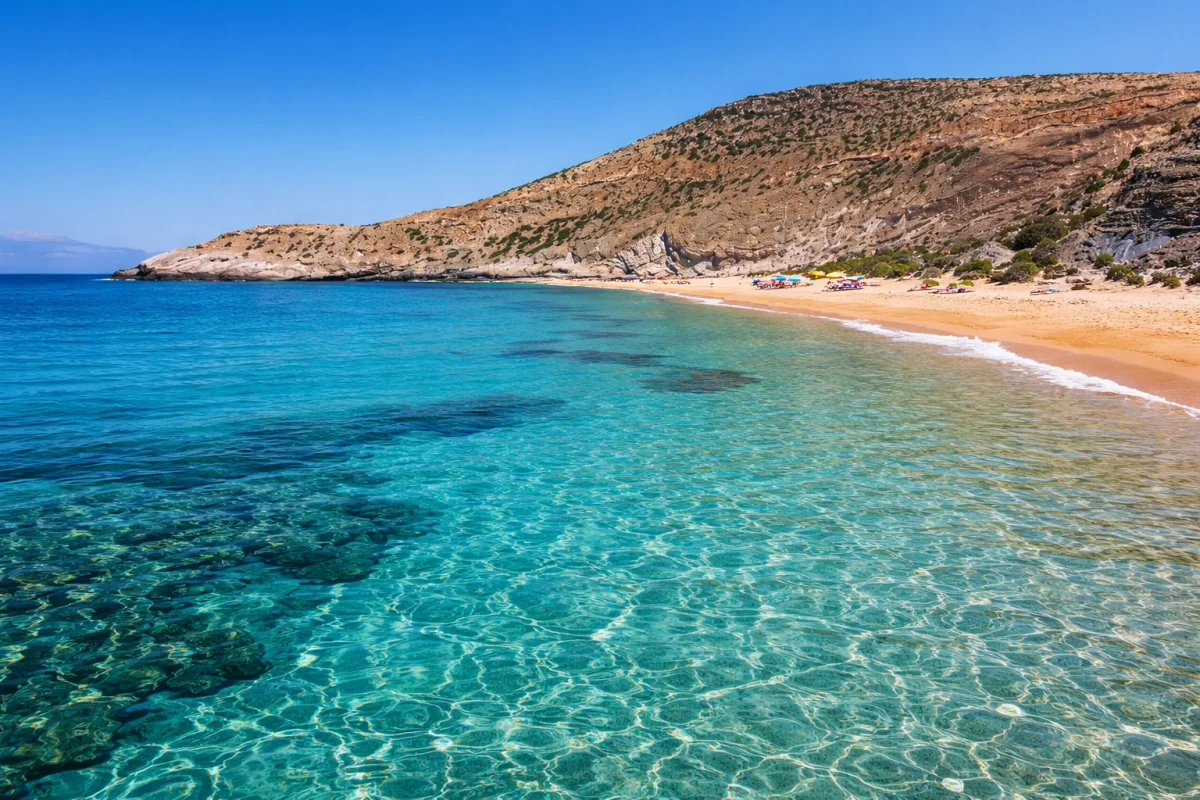
Dia is low and open. Hills rise gently rather than dramatically. The land feels exposed. With dry grasses, shrubs and stone dominating the landscape. There are no forests and very little shade. You are always aware of the sky above you and the sea around you. This openness affects how you move. You walk slower. You stop often. You pay attention to heat, wind and footing. Paths exist, but they are informal. Traces of repeated movement rather than planned routes. You follow them instinctively or you leave them behind.
The Sea Around Dia
The sea is central to the experience of Dia. The water here is exceptionally clear, calm and so inviting. You enter the water from rocks or small pebbled shores. There are no beaches arranged for comfort. No ladders. No platforms. Just water and land meeting directly. Swimming here feels quiet and private. Sound fades quickly. The only movement is the water itself. The sea around Dia does not feel decorative. It feels essential.
Swimming as the Main Activity
On Dia, swimming becomes the focus of the day. You swim to cool down. You swim again because the water draws you back. You float, you rest and you return to shore without hurry. There is no sense of time pressure. No schedule pulling you away. Swimming stretches rather than breaks the day. The simplicity of entering the water, drying off and sitting quietly afterward becomes enough.
Walking the Island
Do not expect a village to reach or a café waiting at the end of the path. You walk to see how the land opens. To reach a viewpoint. To feel distance. From higher ground, Crete looks close but distant at the same time. Boats appear small. Walking here clears the mind. Thoughts slow. Awareness sharpens. You notice light, heat and wind rather than plants.
Silence and Sound
One of the most striking things about Dia is its quiet. Not complete silence, but the absence of constant noise. There are no engines. No crowds. No layered soundscape. Wind, water and footsteps become the dominant sounds. This quiet changes behaviour. Conversations soften. Pauses feel natural. You listen more than you speak.
The Absence of Infrastructure
Dia has no shops, no taverns and no accommodation. This absence is not a limitation. It defines the experience. You plan simply. Water. Food. Shade. Your attention stays with the island, the sea and the passing of the day. Time feels longer when there is nothing scheduled to interrupt it.
The Feeling of Exposure
Dia is exposed. The sun is strong. Wind is present more often than not. There is little protection from the elements. This exposure creates awareness. You move carefully. You choose where to sit. You respect the conditions. There is no buffer between you and the environment.
Time Without Structure
Time on Dia is unstructured. The day is not divided into activities. Swimming, walking, resting and eating blend into one another. You stop checking the clock. You notice light instead. Hunger. Heat. Comfort. The island encourages presence without effort. You are not trying to relax. You simply do.
Why Dia Feels Different
Dia feels different because it removes layers instead of adding them. There is no performance, no identity to project and no story being told. It offers land, sea and time. Being here reminds you how little is needed for a day to feel full.
Leaving Dia
Leaving Dia often feels sudden. Boats return. Movement resumes. The island stays exactly as it was. There is no farewell. No closing moment. You pull away and the land recedes quietly. Dia does not stay with you through memories of places or moments. It stays through a feeling of stillness that follows you back to Crete. Close, but separate. Simple and complete.