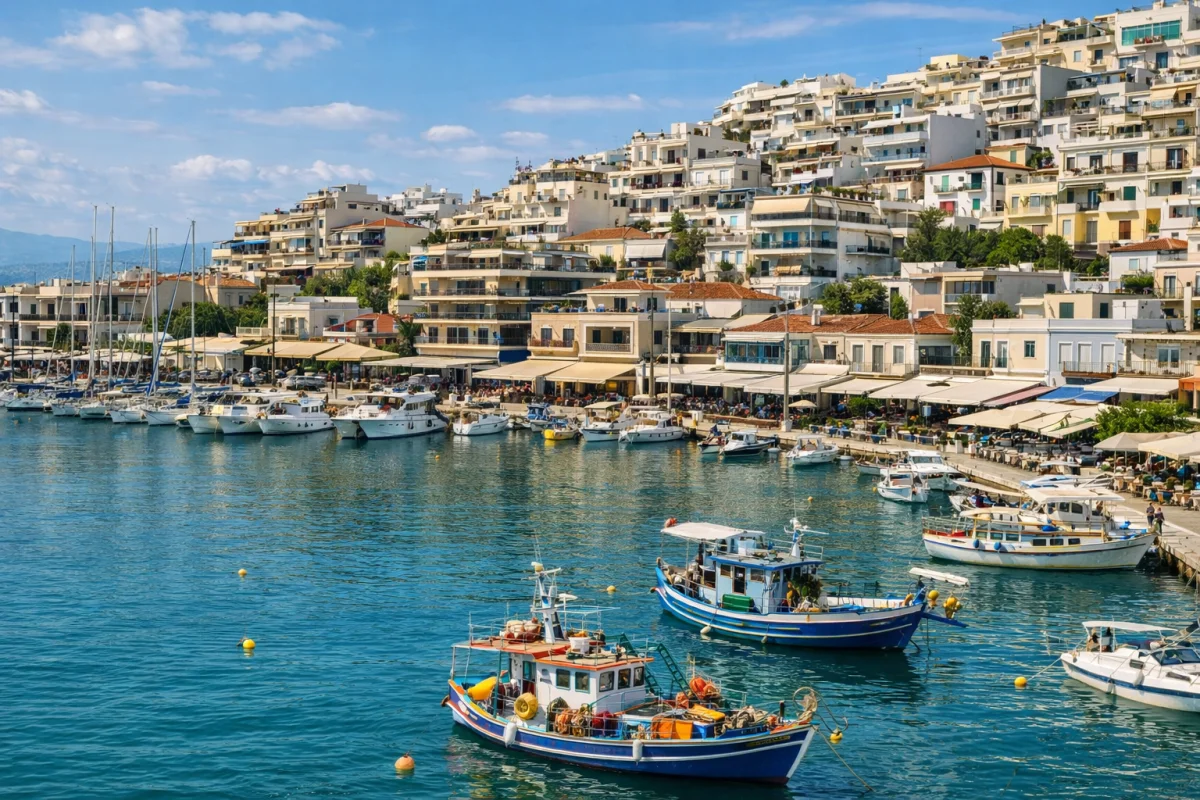
Piraeus is not a postcard city. It doesn’t pause to look back at itself. It moves forward, with ships arriving, engines starting, people leaving and people returning. This is a city built on movement. On arrivals and departures. On work, salt, noise and routine. If Athens is thought and conversation, Piraeus is action.
A City That Lives With the Sea
Piraeus exists because of the sea. Everything here is shaped by it. The pace, the smell, the soundscape, even the way people speak and walk. Ships dominate the horizon. Ferries come and go constantly. The port never truly sleeps. There is always something loading, unloading, waiting or leaving. The sea here is not romantic. It is practical. It is how people earn a living. It is how the city breathes.
The Geography of Piraeus
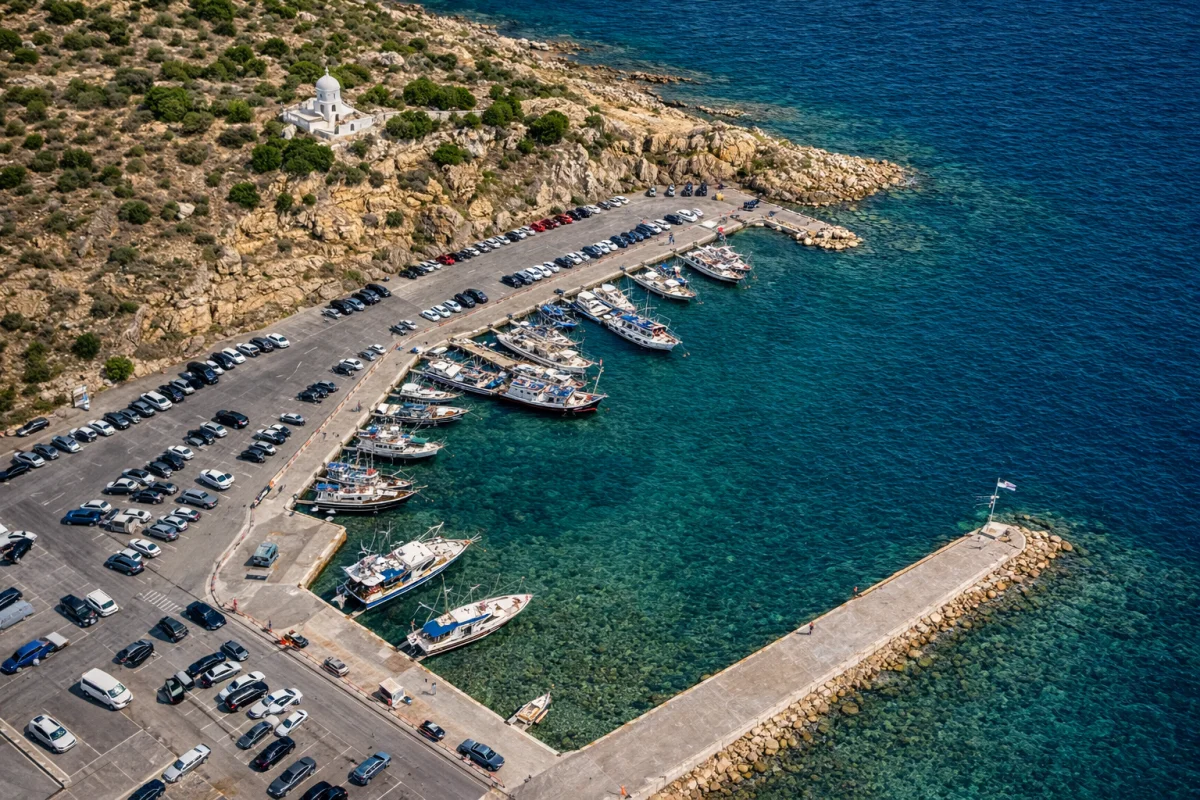
A Coastal City With Many Faces, Piraeus stretches along the coast southwest of Athens. It is not one single harbour but several, each with its own character. The main port is massive and industrial. Nearby, smaller marinas soften the city’s edges. Hills rise gently above the water, offering views of ships lined up like quiet giants. The sea is always present. Sometimes loud, sometimes calm, always close.
History That Works, Not Displays
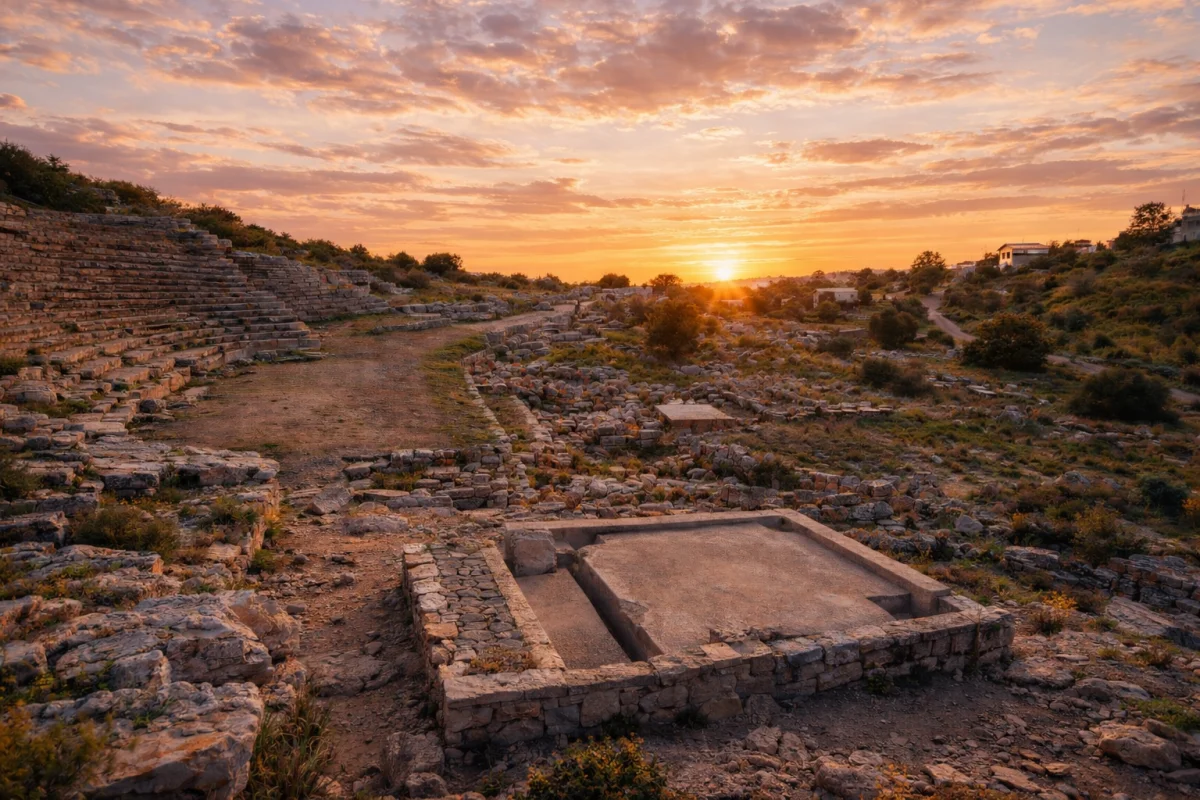
An Ancient Port That Never Stopped, Piraeus has been Athens’ port since ancient times. It was built for function, not beauty. Defence, trade, movement. These were always the priorities. Unlike cities that preserve history carefully, Piraeus uses it. Old infrastructure blends into modern needs. The past is not framed or separated. It simply continues. This creates a city that feels grounded rather than polished.
Daily Life in Piraeus
As a working city, Piraeus wakes early. People are always on the move. Dock workers, sailors, shop owners, commuters. Everyone is busy and always has somewhere to be.
Neighborhood Rhythm
Despite its industrial heart, Piraeus is deeply local. Cafés are filled with familiar faces. Shop owners know their customers. Streets follow routines built over years. People greet each other and the trust is quiet and earned.
The Harbors of Piraeus
The Main Port
Large, busy and relentless. Ferries to islands, cargo ships and cruise liners. It is very overwhelming at first. It feels raw and exposed. Concrete, metal, water, noise. But there is a strange beauty.
Mikrolimano
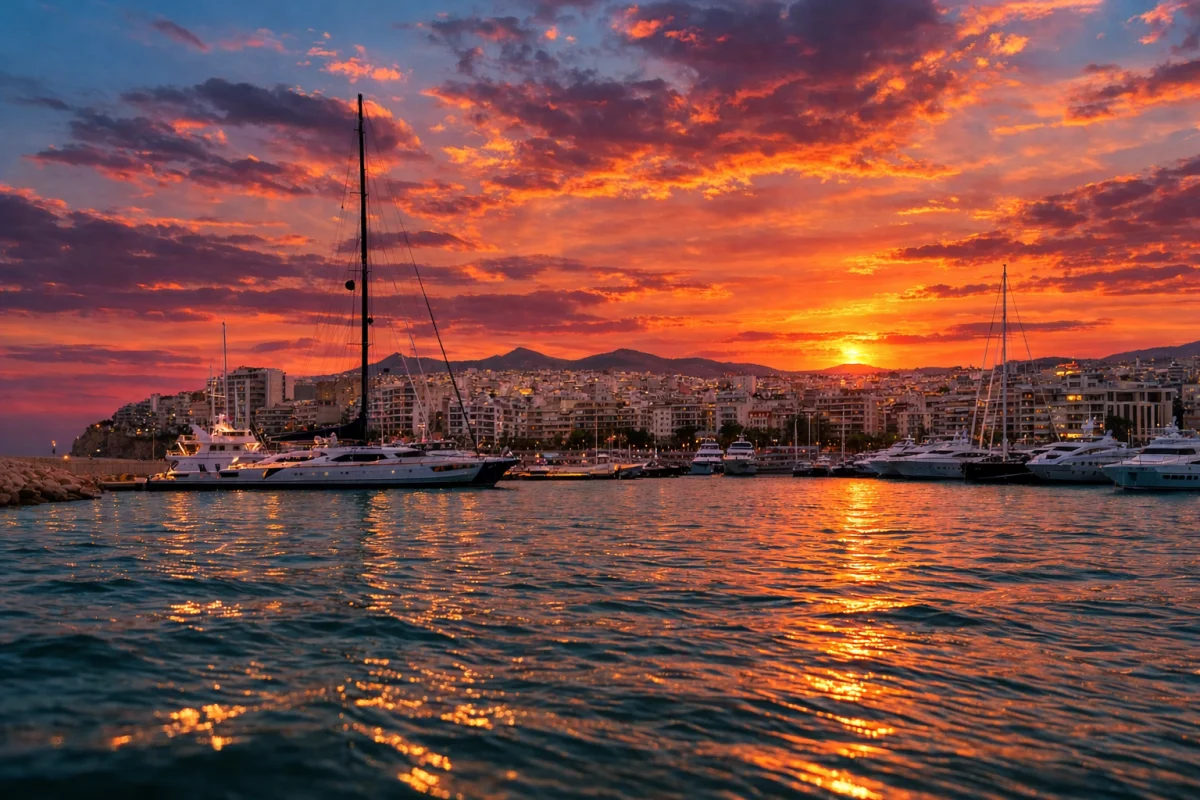
Small, curved, human. Fishing boats, cafés, evening walks. The pace slows here. This is where Piraeus shows its softer side. People come to sit, talk and watch the water change colour as the sun drops.
Zea Marina (Pasalimani)
Calmer and more refined. Sailboats lined up neatly. Open space. A sense of breathing room. It offers balance-a reminder that even a working city needs pause.
Walking Through Piraeus
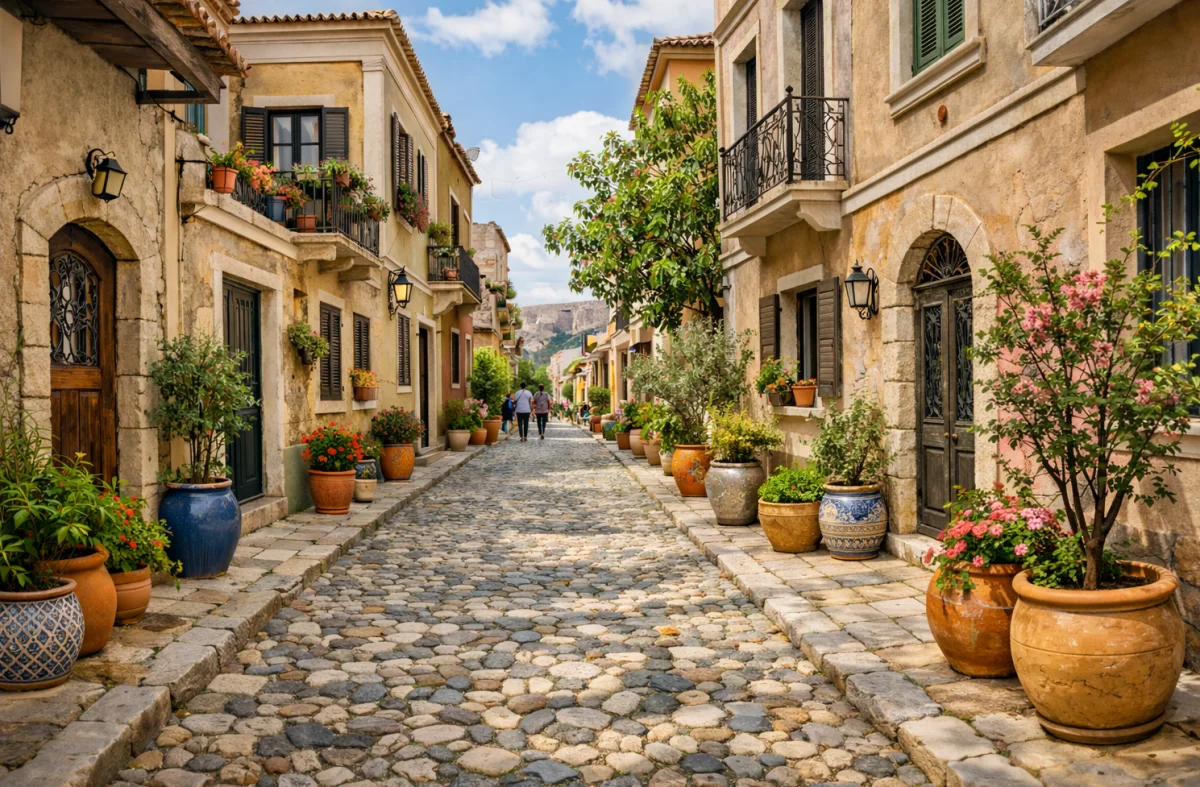
Piraeus is not designed to impress pedestrians. Sidewalks can be narrow. Roads can feel busy. But everything feels real. You walk past hardware stores, bakeries, shipping offices and small apartments with open windows. Life spills outward without decoration. There are no illusions here. What you see is what exists.
A Different Kind of Atmosphere
The air smells of salt, fuel, coffee and warm pavement. Seagulls cut through engine noise. Ropes creak. Water slaps against hulls. Light reflects off metal and water more than stone. Evenings cool faster here than in central Athens. The city sounds alive, not loud for attention. Loud because it works.
Food in Piraeus
Food here matches the city. Simple. Filling. Unpretentious. Seafood feels natural, not staged. Taverns serve regulars first and visitors second and that’s part of the charm. Meals are shared. Portions are generous. Nobody rushes you. Eating in Piraeus feels like being included rather than served.
The Character of Piraeus
Piraeus does not soften its personality. It is straightforward, sometimes rough and often warm once you settle in. People speak plainly. Humour is dry. Respect is earned through consistency.
Resilient by Nature
This city has seen crisis, change, pressure and decline and it continues anyway. Piraeus doesn’t reinvent itself dramatically. It adjusts. Slowly. Practically. That steady resilience defines it more than any skyline.
Seasons in Piraeus
Summer
Heat rises from concrete. Life moves later. Evenings near the water feel essential.
Autumn
Perhaps the best balance. Warm days, calmer port rhythm, clearer skies.
Winter
Windier, quieter, more introspective. The sea feels stronger. The city turns inward.
Spring
Fresh air, returning movement, longer walks by the water.
Piraeus and Athens
Piraeus is often described as part of Athens, but it feels separate. Athens thinks. Piraeus works. Athens debates. Piraeus delivers. Together, they form a complete rhythm. Mind and body, conversation and action.
Why Piraeus Leaves an Impression
Piraeus doesn’t stay with you as beauty. It stays as understanding. You remember the movement. The sound of ropes and engines. A coffee near the harbour without hurry. The feeling of standing somewhere that exists for a reason. Piraeus earns respect by being exactly what it is.